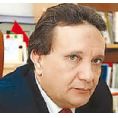
Dr Mohamed Kirat
By Dr Mohamed Kirat
For decades the coverage of wars, conflicts, rallies, protests and manifestations of Palestinians against Israel has been biased, manipulated and distorted. History repeats itself and the same scenario occurs again and again: lack of contextual facts and background about the conflict between the two parties, stereotypes, lack of fairness and impartiality. As a result, many people think that the occupiers are the Palestinians and those who lost their land and being occupied are the Israelis.
One element fuelling the current crisis in Gaza is the ongoing failure of Western and US corporate media coverage of the war on Gaza. Western and US policy, public opinion and mainstream media coverage of Israel and Palestine are all dangerously biased towards Israel. Media coverage of events in Gaza again illustrates how the US and Western mainstream media sides with Israeli narrative, theses, and arguments, and frequently ignores both Palestinian experiences and international law, providing the US and the European public and policymakers with only part of the story. Former Israeli Prime Minister Ehud Olmert admitted openly and publicly that he intended to commit war crimes in Gaza, telling his cabinet that he wanted “no one to be able to sleep tonight in Gaza”. Olmert officially acknowledged Israel’s policy of collectively punishing 1.4 million Palestinians, a violation of International law and the Fourth Geneva Convention. The majority of the US and Western media didn’t dare to report Olmert’s statement.
On the other hand, the same media published editorials strongly supporting Israel’s right to “retaliate” after the capture of an Israeli soldier. Their editorials never mentioned a single element of Israel’s brutal 10-month siege on Gaza. In a reminder of The Washington Post’s editorial advocacy of the Iraq war, The Post took the most belligerent position, applauding Israeli “restraint” and approving an Israeli overthrow of the Hamas-led Palestinian Authority.
Cohen and Young, as well as Chomsky argue that the media are tools to serve the interests of the owners of media organisations, which conflict with the interests of the public and any impartial and objective presentation of world events. Journalists thus practice their profession according to ideological criteria; they select and discard news with respect to the interests of the owners. They distort the truth and reality according to the propaganda needs of their employers by focusing on some aspects of the stories and omitting others to shape public opinion according to the political, economic, and financial interests of those who own the means of production (capitalists).
Therefore;“news” is a not a presentation of reality, it is indeed a fabrication of reality to serve the interests of the acting powers who are more than distant from the public. This means that the process of news is based on distortion, manipulation, disinformation and propaganda and does not consider the public interest and the search for truth through objectivity and professional journalism practice.
War without television is not a war, but rather an abstract event, whereas war on the screen is a live experience delivered to millions of people in their living rooms. In its war on Iraq, the United States launched a large-scale media war against the Iraqi regime long before engaging in military action, via various newspapers, magazines, radio stations, satellite channels, and the Internet.
Intriguingly, the majority of studies addressing the media’s coverage of wars and conflicts have concluded that coverage was biased, distorted, obscure and distant from media ethics such as impartiality, fairness and objectivity. The war on Iraq has revealed, as have previous wars, the myths and fallacies echoed by the theorists of democracy, freedom of the press, and human rights. Consequently, the first and foremost victims of this war were the freedom of press, and the life of journalists themselves. Thirteen journalists and media workers have been killed amid their unwavering pursuit and deliverance of facts to viewers around the world. American procedures dealing with journalists have far exceeded the bounds of etiquette, respect of profession, freedom and independence. The US simply applied the notorious phrase “You are either with us, or against us” literally. Journalists who were not embedded with the Pentagon would be at risk of being targeted by American military forces had they attempted to reveal facts or photos regarding massacres against children, prisoners and civilians.
The practice of journalism differs in normal times from times of wars and conflicts. What stakes and challenges do journalists and news organisations face? What kinds of problems and pressures they have to go through while doing their work. The media practices of allegedly modern and democratic western media were no different than those of dictatorships and authoritarian regimes. Everybody surrendered to the will of politics, economics and business, thus sacrificing principles of impartiality, press freedom, integrity and fairness in pursuit of the truth.
Power and media were hand-in-hand during wars, conflicts and crises all along. What is certain is that the leading Western media generally omit the frameworks of human rights and international law as well as related concepts like collective punishment, and proportionality, all of which have been consistently violated
by Israel.
The focus of course will be on Hamas being a terrorist organisation and Israel has to retaliate and kill innocent people as a legitimate means to assure its state security.
Once again, Israeli government spin overpowers the Palestinian narrative, and human rights and international law are belittled. This is how the US and Western media have been covering the Israeli Palestinian conflict since the Balfour declaration of 1917.
For decades now, US and Western news organisations have been actively shaping the information reported to the US, Western and the peoples of the world to Israel’s advantage, and promoting the view that Hamas and Palestinian “terrorism” are the sole problem in Israel/Palestine. Without more balanced reporting, the world will never get the truth about the genocide, apartheid, racism and colonialism and state terrorism practised by the state of Israel against the people of Palestine.
It seems clearly that it’s unlikely that the coverage is going to become much more balanced in the future.
The need for media activism on Israel-Palestine is more vital than ever, and more responsible news people from all over the world are needed to put an end to these systematic manipulation, distortion and biases when it comes to Israel and Palestine.
The writer is a professor of Public Relations and Mass Communication at the College of Arts and Sciences, Qatar University.
THE PENINSULA
By Dr Mohamed Kirat
For decades the coverage of wars, conflicts, rallies, protests and manifestations of Palestinians against Israel has been biased, manipulated and distorted. History repeats itself and the same scenario occurs again and again: lack of contextual facts and background about the conflict between the two parties, stereotypes, lack of fairness and impartiality. As a result, many people think that the occupiers are the Palestinians and those who lost their land and being occupied are the Israelis.
One element fuelling the current crisis in Gaza is the ongoing failure of Western and US corporate media coverage of the war on Gaza. Western and US policy, public opinion and mainstream media coverage of Israel and Palestine are all dangerously biased towards Israel. Media coverage of events in Gaza again illustrates how the US and Western mainstream media sides with Israeli narrative, theses, and arguments, and frequently ignores both Palestinian experiences and international law, providing the US and the European public and policymakers with only part of the story. Former Israeli Prime Minister Ehud Olmert admitted openly and publicly that he intended to commit war crimes in Gaza, telling his cabinet that he wanted “no one to be able to sleep tonight in Gaza”. Olmert officially acknowledged Israel’s policy of collectively punishing 1.4 million Palestinians, a violation of International law and the Fourth Geneva Convention. The majority of the US and Western media didn’t dare to report Olmert’s statement.
On the other hand, the same media published editorials strongly supporting Israel’s right to “retaliate” after the capture of an Israeli soldier. Their editorials never mentioned a single element of Israel’s brutal 10-month siege on Gaza. In a reminder of The Washington Post’s editorial advocacy of the Iraq war, The Post took the most belligerent position, applauding Israeli “restraint” and approving an Israeli overthrow of the Hamas-led Palestinian Authority.
Cohen and Young, as well as Chomsky argue that the media are tools to serve the interests of the owners of media organisations, which conflict with the interests of the public and any impartial and objective presentation of world events. Journalists thus practice their profession according to ideological criteria; they select and discard news with respect to the interests of the owners. They distort the truth and reality according to the propaganda needs of their employers by focusing on some aspects of the stories and omitting others to shape public opinion according to the political, economic, and financial interests of those who own the means of production (capitalists).
Therefore;“news” is a not a presentation of reality, it is indeed a fabrication of reality to serve the interests of the acting powers who are more than distant from the public. This means that the process of news is based on distortion, manipulation, disinformation and propaganda and does not consider the public interest and the search for truth through objectivity and professional journalism practice.
War without television is not a war, but rather an abstract event, whereas war on the screen is a live experience delivered to millions of people in their living rooms. In its war on Iraq, the United States launched a large-scale media war against the Iraqi regime long before engaging in military action, via various newspapers, magazines, radio stations, satellite channels, and the Internet.
Intriguingly, the majority of studies addressing the media’s coverage of wars and conflicts have concluded that coverage was biased, distorted, obscure and distant from media ethics such as impartiality, fairness and objectivity. The war on Iraq has revealed, as have previous wars, the myths and fallacies echoed by the theorists of democracy, freedom of the press, and human rights. Consequently, the first and foremost victims of this war were the freedom of press, and the life of journalists themselves. Thirteen journalists and media workers have been killed amid their unwavering pursuit and deliverance of facts to viewers around the world. American procedures dealing with journalists have far exceeded the bounds of etiquette, respect of profession, freedom and independence. The US simply applied the notorious phrase “You are either with us, or against us” literally. Journalists who were not embedded with the Pentagon would be at risk of being targeted by American military forces had they attempted to reveal facts or photos regarding massacres against children, prisoners and civilians.
The practice of journalism differs in normal times from times of wars and conflicts. What stakes and challenges do journalists and news organisations face? What kinds of problems and pressures they have to go through while doing their work. The media practices of allegedly modern and democratic western media were no different than those of dictatorships and authoritarian regimes. Everybody surrendered to the will of politics, economics and business, thus sacrificing principles of impartiality, press freedom, integrity and fairness in pursuit of the truth.
Power and media were hand-in-hand during wars, conflicts and crises all along. What is certain is that the leading Western media generally omit the frameworks of human rights and international law as well as related concepts like collective punishment, and proportionality, all of which have been consistently violated
by Israel.
The focus of course will be on Hamas being a terrorist organisation and Israel has to retaliate and kill innocent people as a legitimate means to assure its state security.
Once again, Israeli government spin overpowers the Palestinian narrative, and human rights and international law are belittled. This is how the US and Western media have been covering the Israeli Palestinian conflict since the Balfour declaration of 1917.
For decades now, US and Western news organisations have been actively shaping the information reported to the US, Western and the peoples of the world to Israel’s advantage, and promoting the view that Hamas and Palestinian “terrorism” are the sole problem in Israel/Palestine. Without more balanced reporting, the world will never get the truth about the genocide, apartheid, racism and colonialism and state terrorism practised by the state of Israel against the people of Palestine.
It seems clearly that it’s unlikely that the coverage is going to become much more balanced in the future.
The need for media activism on Israel-Palestine is more vital than ever, and more responsible news people from all over the world are needed to put an end to these systematic manipulation, distortion and biases when it comes to Israel and Palestine.
The writer is a professor of Public Relations and Mass Communication at the College of Arts and Sciences, Qatar University.
THE PENINSULA