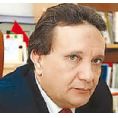
Dr Mohamed Kirat
By Dr Mohamed Kirat
Modern terrorism is media terrorism. Brigitte Nacos, a prominent expert on Media and terrorism argues that the architects of terrorism exploit the media to get publicity, media presence, gather information, recruit volunteers and implement their propaganda programmes and strategies. The media cover terrorist acts not only because it is their duty to ensure the public’s right to know and to report on any major event but also because of the sensational, dramatic and spectacular aspect of terrorism that fascinates the general public and attract a large audience not only within the borders of the country where terrorist acts take place but worldwide. Today’s terrorists exploit this and act in a way which will attract maximum attention around the world. Terrorism should not affect the importance of freedom of expression and information in the media. This freedom carries with it the right of the public to be informed on matters of public concern, including terrorist acts and threats, as well as the response by the state and international organisations to them. The fight against terrorism should not be used as an excuse by states to restrict the freedom of the press.
There is an inter-dependent relationship between terrorism and the media. Terrorism without media is worthless and has no impact on public opinion. Terrorist organisations depend on the media to convey their message and explain their goals to the large public. In order to garner publicity towards their cause, terrorist organisations resort to acts of violence and aggression that deliberately target civilians. This method has proven to be effective in gathering attention. Terrorists, governments, and the media see the function, roles and responsibilities of the media when covering terrorist events from differing and often competing perspectives. Such perspectives drive behaviour during terrorist incidents — often resulting in both tactical and strategic gains to the terrorist operation and the overall terrorist cause. The challenge to both governmental and the media is to understand the dynamics of terrorist acts and to develop policy options designed to serve the interests of government, the media, and the society. Terrorists need publicity to gain attention, inspire fear and respect, and secure favourable understanding of their cause. Governments need public understanding, cooperation, restraint, and loyalty in efforts to limit terrorist harm to society and punish or apprehend those responsible for terrorist acts. Journalists and the media in general pursue the freedom to cover events and issues without restraint, especially governmental restraint to ensure the right of public to know.
A very relevant question here, is what terrorists want from the media. Terrorists need publicity, for any publicity about a terrorist act alerts the world that a problem exists that cannot be ignored and must be addressed. They seek a favourable understanding of their cause. One may not agree with their act but this does not preclude sympathising with their demands and their cause. Terrorists believe the public “needs help” in understanding that their cause is just and terrorist violence is the only way to address the superior evil forces of those who govern and rule. Terrorists look for media presence to legitimate their cause. Terrorist organisations look for media coverage that induce damage to their enemy. They want the media to amplify panic, to spread fear, to facilitate economic loss, to make the public lose faith and credibility in their governments’ ability to protect them, and to cause government and popular overreaction to specific incidents and the overall threat of terrorism.
On the other hand, one wonders what government officials want from the media. Governments seek understanding, cooperation, restraint, and loyalty from the media in efforts to limit terrorist harm to society and in efforts to punish or apprehend those linked to terrorist acts. They want coverage to advance their agenda and not that of the terrorist. From their perspective, the media should support government courses of action when operations are under way and disseminate government provided information when requested. This includes understanding of policy objectives, or at least a balanced presentation, such as why governments may seek to mediate, yet not give in to terrorist demands. An important goal is to separate the terrorist from the media — to deny the terrorist a platform unless to do so is likely to contribute to his imminent defeat. Another goal is to have the media present terrorists as criminals and enemies of the people, peace and stability. The media should avoid glamorising terrorists and foster the viewpoint that kidnapping a prominent person, blowing up a building, or hijacking an airplane is a criminal act regardless of the terrorists’ cause. They want the media to be careful about disinformation from terrorist allies, sympathisers, or others who gain from its broadcast and publication. Many groups have many motives for disseminating inaccurate or false data, including, for example, speculation as to how a plane may have been blown up, or who may be responsible. They would like journalists to inform them when presented with well grounded reasons to believe a terrorist act may be in the making or that particular individuals may be involved in terrorist activity.
Lastly, one should ask what the media want from their coverage of terrorist acts. Journalists generally want the freedom to cover an issue without external restraint — be it government, media owners, advertisers, or editors. Media want to be the first with the story. Pressure to transmit real time news instantly in today’s competitive hi-tech communication environment is at an all-time high. The media want to make the story as timely and dramatic as possible, with interviews, dramatic images and sensational scenes and backgrounds. Journalists want to be professional and accurate and not to give credence to disinformation. This is not easy to achieve, especially when systematic efforts to lure them are undertaken by interested parties. They want to protect society’s right to know, and construe this liberally to include popular and dramatic coverage through airing emotional reactions of victims, family members, and witnesses. But still media remain vulnerable to exploitation and manipulation by terrorist organisations. The media plays a central role in the calculus of political violence and are put into positions where they can magnify or minimise these kinds of acts and their perpetrators, or, of course, they can provide coverage that avoids either one of those extremes. In any case, the terrorists’ need for media publicity and media’s need for a greater audience and profits form a symbiotic relationship between terrorism and the media.
Kirat is a professor of public relations and Mass Communication at the College of Arts and Sciences, Qatar University.
By Dr Mohamed Kirat
Modern terrorism is media terrorism. Brigitte Nacos, a prominent expert on Media and terrorism argues that the architects of terrorism exploit the media to get publicity, media presence, gather information, recruit volunteers and implement their propaganda programmes and strategies. The media cover terrorist acts not only because it is their duty to ensure the public’s right to know and to report on any major event but also because of the sensational, dramatic and spectacular aspect of terrorism that fascinates the general public and attract a large audience not only within the borders of the country where terrorist acts take place but worldwide. Today’s terrorists exploit this and act in a way which will attract maximum attention around the world. Terrorism should not affect the importance of freedom of expression and information in the media. This freedom carries with it the right of the public to be informed on matters of public concern, including terrorist acts and threats, as well as the response by the state and international organisations to them. The fight against terrorism should not be used as an excuse by states to restrict the freedom of the press.
There is an inter-dependent relationship between terrorism and the media. Terrorism without media is worthless and has no impact on public opinion. Terrorist organisations depend on the media to convey their message and explain their goals to the large public. In order to garner publicity towards their cause, terrorist organisations resort to acts of violence and aggression that deliberately target civilians. This method has proven to be effective in gathering attention. Terrorists, governments, and the media see the function, roles and responsibilities of the media when covering terrorist events from differing and often competing perspectives. Such perspectives drive behaviour during terrorist incidents — often resulting in both tactical and strategic gains to the terrorist operation and the overall terrorist cause. The challenge to both governmental and the media is to understand the dynamics of terrorist acts and to develop policy options designed to serve the interests of government, the media, and the society. Terrorists need publicity to gain attention, inspire fear and respect, and secure favourable understanding of their cause. Governments need public understanding, cooperation, restraint, and loyalty in efforts to limit terrorist harm to society and punish or apprehend those responsible for terrorist acts. Journalists and the media in general pursue the freedom to cover events and issues without restraint, especially governmental restraint to ensure the right of public to know.
A very relevant question here, is what terrorists want from the media. Terrorists need publicity, for any publicity about a terrorist act alerts the world that a problem exists that cannot be ignored and must be addressed. They seek a favourable understanding of their cause. One may not agree with their act but this does not preclude sympathising with their demands and their cause. Terrorists believe the public “needs help” in understanding that their cause is just and terrorist violence is the only way to address the superior evil forces of those who govern and rule. Terrorists look for media presence to legitimate their cause. Terrorist organisations look for media coverage that induce damage to their enemy. They want the media to amplify panic, to spread fear, to facilitate economic loss, to make the public lose faith and credibility in their governments’ ability to protect them, and to cause government and popular overreaction to specific incidents and the overall threat of terrorism.
On the other hand, one wonders what government officials want from the media. Governments seek understanding, cooperation, restraint, and loyalty from the media in efforts to limit terrorist harm to society and in efforts to punish or apprehend those linked to terrorist acts. They want coverage to advance their agenda and not that of the terrorist. From their perspective, the media should support government courses of action when operations are under way and disseminate government provided information when requested. This includes understanding of policy objectives, or at least a balanced presentation, such as why governments may seek to mediate, yet not give in to terrorist demands. An important goal is to separate the terrorist from the media — to deny the terrorist a platform unless to do so is likely to contribute to his imminent defeat. Another goal is to have the media present terrorists as criminals and enemies of the people, peace and stability. The media should avoid glamorising terrorists and foster the viewpoint that kidnapping a prominent person, blowing up a building, or hijacking an airplane is a criminal act regardless of the terrorists’ cause. They want the media to be careful about disinformation from terrorist allies, sympathisers, or others who gain from its broadcast and publication. Many groups have many motives for disseminating inaccurate or false data, including, for example, speculation as to how a plane may have been blown up, or who may be responsible. They would like journalists to inform them when presented with well grounded reasons to believe a terrorist act may be in the making or that particular individuals may be involved in terrorist activity.
Lastly, one should ask what the media want from their coverage of terrorist acts. Journalists generally want the freedom to cover an issue without external restraint — be it government, media owners, advertisers, or editors. Media want to be the first with the story. Pressure to transmit real time news instantly in today’s competitive hi-tech communication environment is at an all-time high. The media want to make the story as timely and dramatic as possible, with interviews, dramatic images and sensational scenes and backgrounds. Journalists want to be professional and accurate and not to give credence to disinformation. This is not easy to achieve, especially when systematic efforts to lure them are undertaken by interested parties. They want to protect society’s right to know, and construe this liberally to include popular and dramatic coverage through airing emotional reactions of victims, family members, and witnesses. But still media remain vulnerable to exploitation and manipulation by terrorist organisations. The media plays a central role in the calculus of political violence and are put into positions where they can magnify or minimise these kinds of acts and their perpetrators, or, of course, they can provide coverage that avoids either one of those extremes. In any case, the terrorists’ need for media publicity and media’s need for a greater audience and profits form a symbiotic relationship between terrorism and the media.
Kirat is a professor of public relations and Mass Communication at the College of Arts and Sciences, Qatar University.