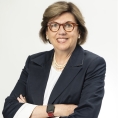
Laura Frigenti
Qatar has become the world’s crossroads for dialogue. From Gaza to Afghanistan, Doha has hosted negotiations to silence guns and give diplomacy a chance. Qatar’s mediation efforts could not have come at a better time. The world has not faced so many devastating armed conflicts since World War II. Today, more than 473 million children—one in six worldwide—are growing up amid conflict, and 127 million have already been forced out of school.
But beyond these efforts lies another, quieter diplomacy — one that builds peace from the ground up: education diplomacy. Through Education Above All and Qatar Fund for Development, Qatar has extended its vision of peace into classrooms in refugee camps and conflict zones — working to prevent learning from becoming collateral damage. In a world of wariness and division, Qatar’s model of compassionate leadership through education offers the moral clarity our global order needs.
Qatar’s commitment to education in crisis is driven by its conviction that learning is the bedrock of security and resilience. For Qatar, dignity is paramount—every child’s right to learn stands as a direct response to despair and displacement. By opening access to education in the world’s most challenging regions, Qatar protects children’s rights and empowers them to thrive. This vision is embodied in the leadership of Her Highness Sheikha Moza bint Nasser, whose advocacy for education as a global public good continues to advance opportunity and dignity for the most vulnerable.
On the global stage, Qatar has assumed a prominent role in advocating for international responsibility to uphold and safeguard the right to education during both war and peace. Notably, the International Day to Protect Education from Attack was established through a United Nations General Assembly resolution led by the State of Qatar and Her Highness Sheikha Moza bint Nasser.
For children caught in fragile countries, education is much more than the right to learn. Schools serve as sanctuaries, shielding children from physical dangers such as abuse, exploitation, and recruitment into armed groups. School provides children with lifesaving food, water, health care and hygiene supplies. It can also offer psychosocial support, giving children stability and structure to help them cope with and recover from trauma. Education also strengthens community resilience by helping families regain stability and supporting collective recovery after crisis.
Education also lays the foundation for peace and stability. Learning fosters understanding, tolerance, and mutual respect among individuals and communities. By encouraging critical thinking and facilitating dialogue, education bridges divides and contributes to the development of more cohesive and resilient societies.
One extra year of education can reduce the risk of conflict by up to 20 percent. Quality learning helps tackle the drivers of violence and builds resilience to extremism and instability. Research by the Global Partnership for Education (GPE) and the Institute for Economics and Peace shows a clear link between education and peace. Countries with better educated populations tend to be more peaceful and stable, essential conditions for economic development and growth. Over the past four decades, education has contributed to half of global economic growth, two-thirds of income increase among the world’s poorest and 40% of global extreme poverty reduction.
Schools equip individuals with the skills and knowledge needed to participate in the workforce, innovate, and contribute to the economy. As economic growth takes hold, it creates a virtuous cycle, where increased prosperity leads to greater stability and peace. This cycle underscores the importance of investing in education as a means of achieving sustainable development and lasting peace.
Qatar’s education diplomacy is a vital component of its global soft power. By advocating for the protection of education and investing in its transformative potential, Qatar is not only addressing immediate humanitarian needs but also contributing to a more peaceful and prosperous world.
GPE’s continuous partnership with Qatar and Education Above All remains critical. Today, Over half of all GPE partner countries are affected by conflict and fragility. Against this backdrop, GPE has launched an ambitious financing campaign to mobilize $5bn and unlock an additional $10bn for education, multiplying learning possibilities for almost 750 million children, two thirds of whom live in fragile countries.
GPE is looking to grow our collaboration with Qatar and Education Above All to give even more children in crisis-affected countries the opportunity to learn and thrive so they can help us build a better and more peaceful future.