Doha, Qatar: In the Arabian Gulf, some of the region’s richest pockets of marine life are forming in unexpected places: around the steel legs of offshore oil platforms.
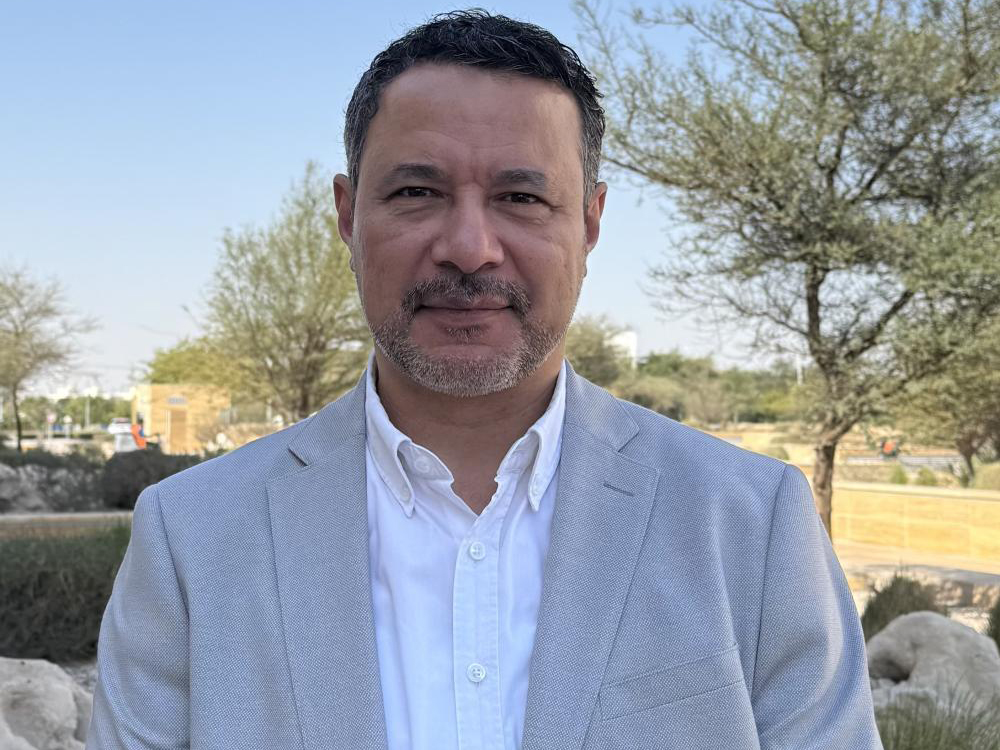
And according to Director of Research and Policy Development at Qatar Foundation’s Earthna Centre for a Sustainable Future, Dr. Radhouan Ben-Hamadou (pictured) surveys carried out across the last decade have revealed how these structures now host more diverse marine life than many natural sites.
“It may sound strange,” says Dr. Ben-Hamadou, who leads the Rig-to-Reef project, an initiative that aims to transform obsolete offshore platforms into permanent marine habitats. “But the richest hotspots of marine biodiversity in the Arabian Gulf are around oil platforms. You will not find more fish species – and other organisms like sponges and soft corals – anywhere else in the region.”
Oil platforms have long been viewed through the lens of pollution, and traditionally – once they run dry – they are dismantled and removed, an expensive process that also carries environmental costs. There are currently more than 800 offshore oil platforms in the Arabian Gulf, highlighting the scale of the opportunity to repurpose these structures for marine habitats.
Decommissioning operations, such as cutting, lifting, explosives, and heavy machinery, can physically disturb the seabed and surrounding habitats, which can increase the cloudiness of water, disturb sediments, and potentially release trapped pollutants. “Complete removal can involve heavy cutting and lifting operations – and, in some contexts, explosives – which may disturb the seabed and increase emissions,” explains Dr. Ben-Hamadou.
“You lose the habitat, and you increase greenhouse gases. So, the question for us was: is there a better way?
“We take it case by case, looking at the ecosystem services: fisheries, ecotourism, carbon storage, and weigh the risks and gains across all options. In virtually all cases, we found that the benefits of keeping the whole or part of the structure outweighed the risks significantly, provided environmental safeguards are met.”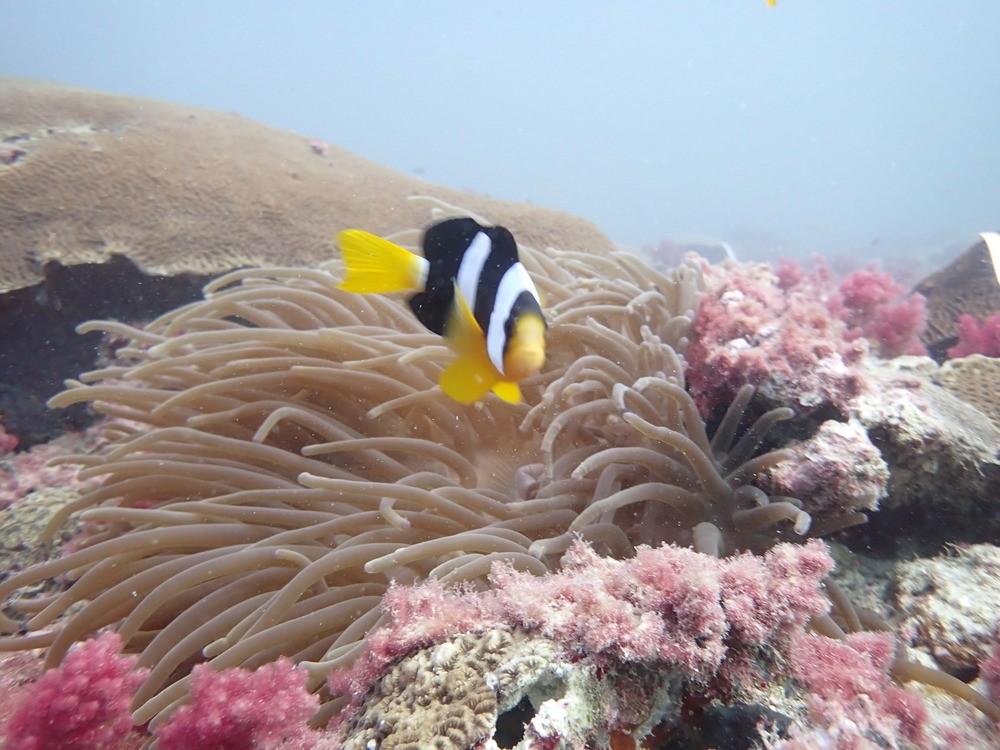 “In Qatar, decommissioning practice traditionally favoured full removal; the project is exploring what policy and technical conditions would be required for alternative, science-based options.”
Globally, rig-to-reef practices can include partial removal, such as cutting the upper portion of the structure while leaving the lower part as a reef, toppling the jacket horizontally onto the seafloor, or lifting and relocating the structure before placing it as a reef. Research on this project in Qatar began in 2015, supported by national and international collaborators – at Qatar University; California State University, Long Beach; and the University of Copenhagen – with national funding and industry partnerships, including TotalEnergies.
As Qatar explores the future of its offshore infrastructure, the Rig-to-Reef initiative offers a model for balancing industry, ecology, and economy. By transforming obsolete platforms into permanent marine habitats, the programme not only preserves biodiversity but also creates new opportunities for fisheries, ecotourism, and carbon storage.
As an industry partner, TotalEnergies E&P Qatar has supported the project through field access and technical, R&D, and financial contributions. “This project illustrates how applied research and innovation can support environmental objectives in complex marine conditions.
“At TotalEnergies, we are proud to contribute our R&D capabilities to this pilot project, working alongside Qatar Foundation and Qatar University to explore new pathways for the enhancement of marine biodiversity,” says Yousef Al-Jaber, VP Innovation & Change Management, TotalEnergies E&P Qatar.