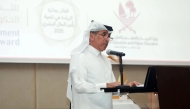
Doha: A new batch of licensed Qatari real estate brokers took the legal oath yesterday before the Real Estate Brokers Affairs Committee at the Ministry of Justice.
The batch included 21 mediators be it as individuals or part of real estate brokerage companies, which raises the number of licensed brokers since the activation of the new law to more than 486 Qatari real estate brokers licensed and registered with the real estate brokerage department.
The licensing of this new batch comes in the context of the Ministry of Justice’s activation of Law No. 22 of 2017 on regulating real estate brokerage, in the framework of the executive procedures for the provisions of the law and in pushing real estate brokerage work towards an established and organized legal environment.
This takes place in keeping with the rapid pace of economic and urban development that Qatar is undergoing, especially with the great expansion of the real estate sector. Not to mention providing the necessary reconfiguration and organization of the real estate system to achieve the objectives of Qatar National Vision 2030.
The Assistant Undersecretary for Real Estate Registration and Documentation Affairs and Chairperson of the Real Estate Brokers Affairs Committee Saeed Abdullah Al Suwaidi stressed the importance the ministry attributes to legal professions, and to real estate brokerage specifically, due to its direct contribution to national development of which the real estate sector is a vital component.
Moreover, Al Suwaidi emphasised the need to deal with licensed brokers because of its crucial role in protecting the rights of the various parties.
Consequently, Al Suwaidi warned against dealing with unlicensed brokers after the expiration of the reconciliation period and thus the activation of the real estate mediation law. He also noted the need to use real estate brokers’ contract forms for buying and selling transactions in order to ensure the rights of dealers and brokers equally.
The licensing of this batch concludes the legal process and organisational procedures stipulated under the provisions of the law, which include interviewing applicants of the profession, inspecting their offices and ensuring their compliance with the requirements for practicing the profession, as well as participating in specialized training courses at the Centre of Legal and Judicial Studies (CLJS).