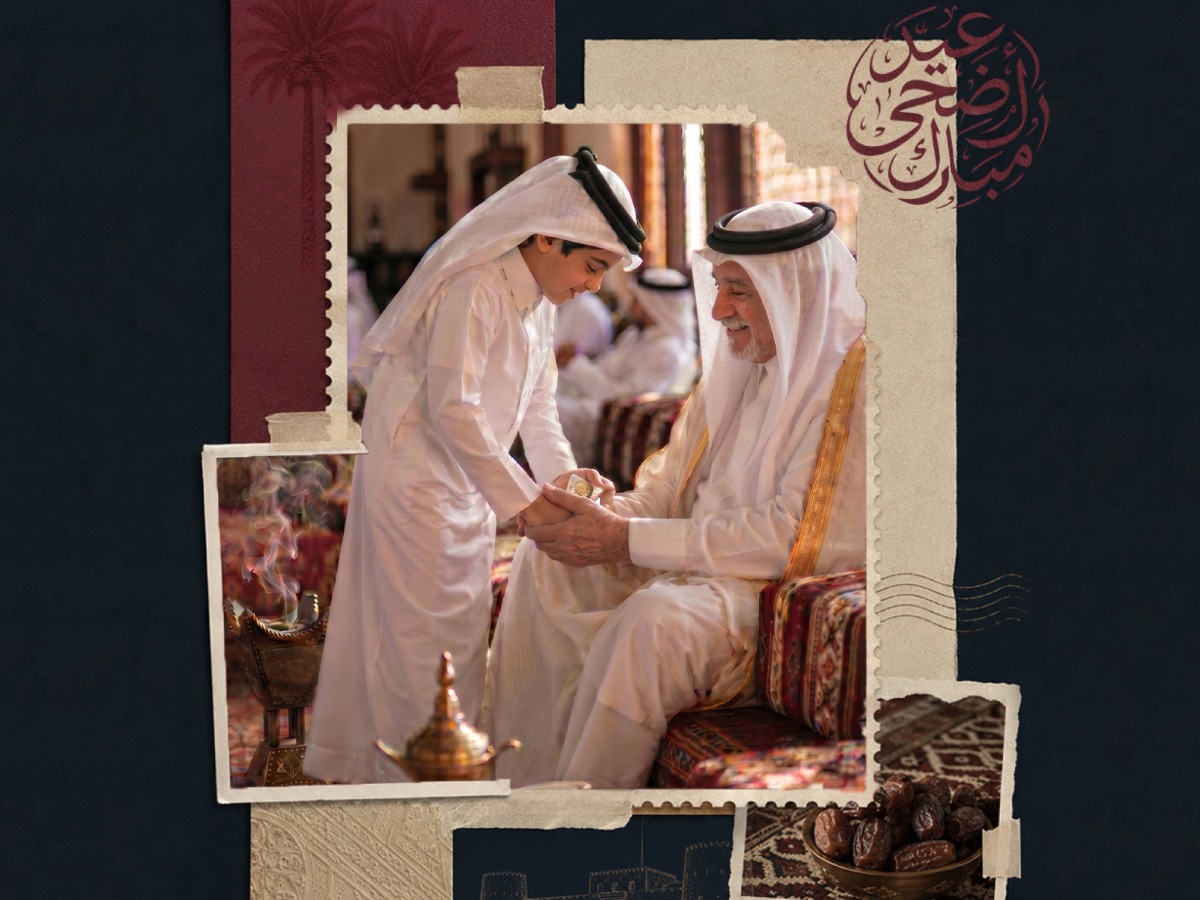
Doha, Qatar: As families across Qatar celebrate Eid Al-Adha, educators and family specialists are highlighting the occasion as far more than a festive holiday.
Beyond the gatherings, gifts and celebrations, Eid offers a valuable opportunity to strengthen family ties, instill positive values in children and reinforce the moral foundations that bind communities together.
Family and educational consultant Noura Al-Mannai says Eid Al-Adha carries profound spiritual and social significance for Muslims. With two major Eids celebrated each year, she notes that Eid Al-Adha stands out because of its deep connection to Islamic teachings and values.
“The Eid season brings people closer to their faith and allows them to renew their commitment to Allah,” Al-Mannai explained in remarks to Qatar TV. “The first days of Dhul Hijjah are filled with tranquility, reflection and spiritual devotion, giving people a unique opportunity to reconnect with themselves and their faith.” She emphasised that one of Islam’s greatest messages is the promotion of good character and ethical conduct. According to Al-Mannai, these values should be demonstrated through actions, particularly during religious occasions when families spend more time together.
“Children do not learn values primarily from books or magazines,” she said. “They learn from what they see. Parents, relatives and caregivers are role models whose behaviour leaves a lasting impression on young minds.” Al-Mannai stressed that parents should seize the Eid holidays to model generosity, respect, kindness and responsibility, as children often imitate the attitudes and actions of the adults around them.
Writer Maryam Al-Mohammadi echoed this view, describing Eid as an important educational opportunity that extends beyond celebration and entertainment. She said families should approach such occasions with awareness and purpose, using them to nurture positive behaviour and emotional intelligence in children.
“Eid is not simply about gatherings and festivities,” Al-Mohammadi said. “It is an opportunity to reinforce positive values such as gratitude, forgiveness, generosity and compassion.” She highlighted the importance of family visits during Eid, noting that gatherings with grandparents, uncles, aunts and cousins help children understand the value of kinship and belonging. Through exchanging greetings, gifts and Eidiyah, children become more connected to their family heritage and cultural traditions.
Al-Mohammadi also underscored the importance of teaching children the spirit of giving. She suggested encouraging youngsters to allocate a portion of their Eidiyah to charitable causes, helping the sick, supporting those in need or purchasing gifts for others.
“These simple acts teach children empathy and social responsibility,” she said. “When a child experiences the joy of giving, feelings of affection, kindness and community become deeply rooted within them.”