File photo
Doha, Qatar: Oil futures fell more than 2% on Friday, closing out their steepest weekly decline since early April as traders awaited word that the US, Israel and Iran had reached agreement on a ceasefire.
Brent crude futures settled at $92.05, and US West Texas Intermediate crude (WTI) finished at $87.36. For the week, Brent fell 11.1%, while WTI fell by 9.6%, noted Al-Attiyah Foundation in its Weekly Energy Market Review.
The US and Iran reached a tentative agreement on Thursday to extend a ceasefire and lift restrictions on shipping through the Strait of Hormuz. Even with both sides suggesting an agreement was forthcoming, their characterizations of the deal were still somewhat different.
Traffic through the maritime chokepoint remains a small fraction of levels before the conflict. Analysts said a reopening of the waterway would offer some immediate relief to the oil market, but a recovery is still uncertain.
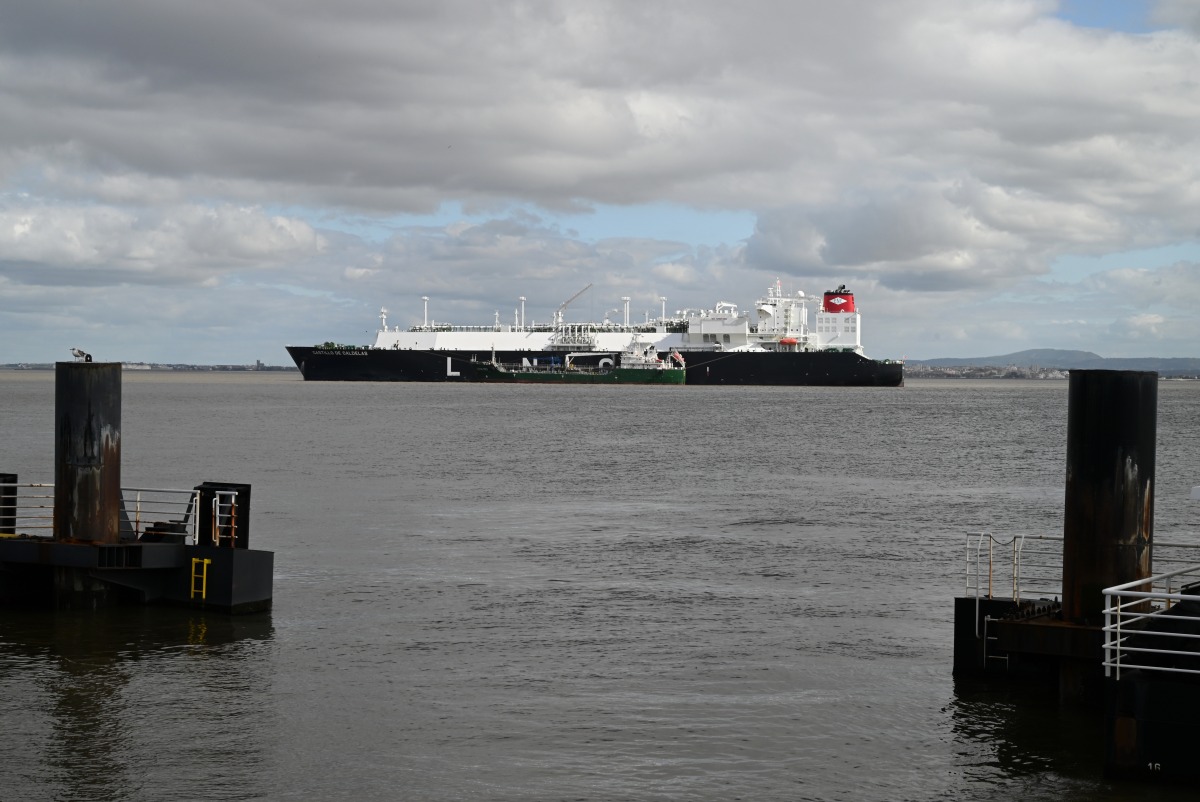
Meanwhile the Asia spot liquefied natural gas (LNG) eased last week, though remained rangebound, as geopolitical uncertainty from the US-Israel conflict with Iran remains unresolved.
The average LNG price for July delivery into northeast Asia was $18.20 per million British thermal units, down from $18.80 per mmBtu the week before.
Analysts expect Asia’s call on flexible Atlantic Basin cargoes to stay elevated ahead of Northeast Asia’s peak cooling season, while disruptions to Middle Eastern LNG exports continue to constrain normalization of Asian baseload supply.
In Europe, the Dutch TTF gas price settled at $16.18 per mmBtu, posting a weekly decline of 2.1%. Intensive planned maintenance works in Norway and at French LNG import terminals are nearing completion, pointing to rising supply from next week.