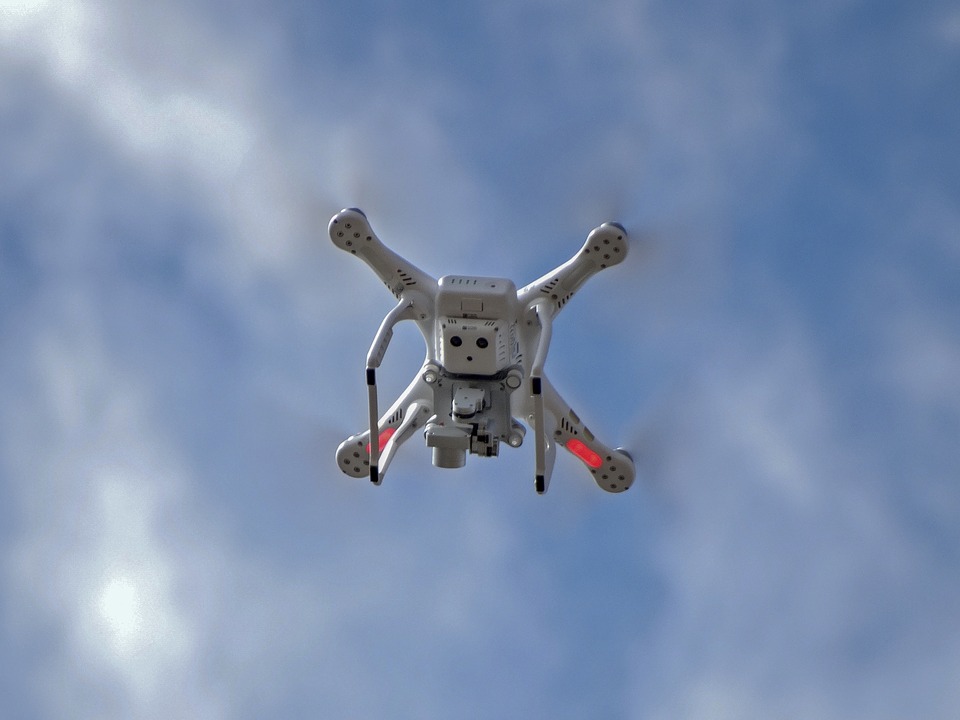
Doha, Qatar: Qatar Civil Aviation Authority (QCAA) has highlighted the key licensing requirements and regulatory procedures introduced under Law No. (10) of 2026 on Unmanned Aircraft (Drones), emphasising the need for registration, licensing, and coordination with relevant authorities to ensure the safe and lawful operation of drones across Qatar.
Speaking in an interview with Qatar TV yesterday, Nayef Nasser Al Jaber, Director of the Air Safety Department at QCAA, explained the provisions of the newly enacted law, which establishes a comprehensive legal framework governing the registration, licensing, and operation of unmanned aircraft systems (UAS), commonly known as drones, in the country.
Al Jaber said the law establishes a fundamental requirement for the registration of all drones covered under the legislation. He explained that the legal framework classifies drone users into three different categories, with each category subject to specific licensing and operational requirements.
For individual users, he noted that obtaining the necessary licenses and operational permits is mandatory before flying drones in the country. The licensing process is designed to ensure that operators understand the applicable safety standards and regulatory obligations before conducting drone flights.
He added that companies intending to use drones for commercial or professional activities are required to obtain the necessary licenses and approvals not only from QCAA but also from the relevant government entities overseeing the specific sectors in which drones will be used.
According to Al Jaber, companies are subject to additional obligations beyond licensing, including the requirement to obtain insurance coverage to compensate for any damages that may result from drone operations.
He explained that this measure is intended to enhance accountability and protect individuals and property in the event of accidents involving unmanned aircraft.
He further said that the law also covers government institutions and public entities, requiring them to coordinate with QCAA to secure the necessary approvals for activities involving drones. This coordination, he noted, ensures that all drone-related operations are conducted within a unified regulatory framework while allowing various state entities to benefit from drone technology across different fields.
Al Jaber stressed that Law No. (10) of 2026 on Unmanned Aircraft aims to promote the safe, responsible, and organised use of drones while supporting their growing role in commercial, governmental, and specialised activities across Qatar. The licensing and approval procedures, he said, are designed to balance technological innovation with aviation safety, public security, and compliance with national regulations.
QCAA also announced that Law No. (10) of 2026 on the Regulation of Unmanned Aircraft is now available on its official website. The authority added that the executive regulations implementing the law will be announced through its official communication channels once they are issued.