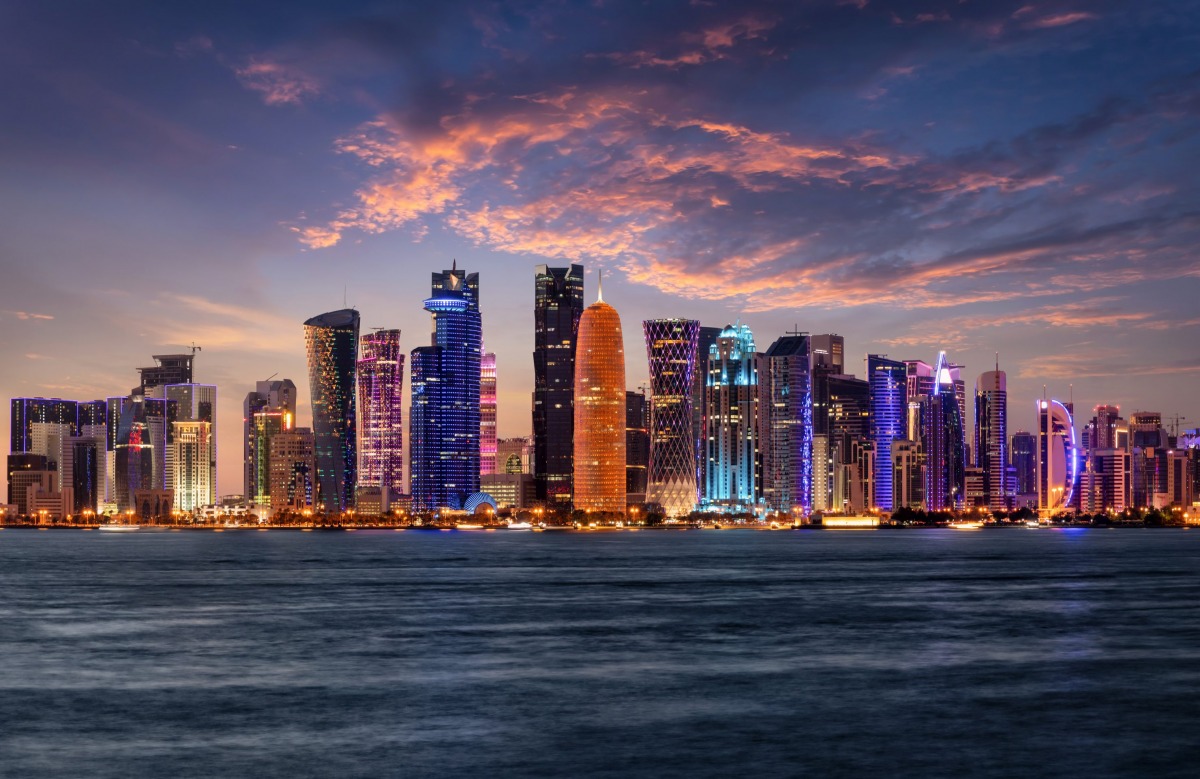
Doha, Qatar: The State of Qatar and the Islamic Republic of Mauritania topped Arab countries in the 2026 press freedom ranking issued by the organization “Reporters Without Borders,” at a time when the report showed a worrying global decline in media freedom conditions.
According to the index data published by the Qatar Press Center, the State of Qatar maintained its regional lead for the third consecutive year since 2023, recording (75; +4), benefiting from a package of legal and regulatory reforms launched ahead of hosting the FIFA World Cup Qatar 2022, which positively impacted the media work environment. This strengthened its media standing, placing it first in the Gulf and second in the Arab world in the 2026 Press Freedom Index. It also advanced to 75th globally, up from 79th in 2025.
The global press freedom map witnessed notable shifts, most prominently Syria recording the largest global jump, rising 36 places to reach 141st position, following the fall of the Assad regime and the country entering a transitional phase. This created a relatively broader space for improvement in the media environment after years of strict restrictions.
In contrast, the report recorded a sharp decline in Israel’s ranking, which lost 33 positions since 2022, due to what the index described as systematic targeting of journalists, especially in the Gaza Strip, where more than 220 journalists were killed since October 7, 2023. The report also noted that Iran continues to rank at the bottom of the global index among the most restrictive countries for press freedom.
In the Americas, the United States dropped to 64th place, according to the index analysis, due to policies considered hostile to the media during the administration of Donald Trump, including significant cuts to the budgets of international media institutions, which negatively affected media diversity and independence. Several Latin American countries, such as Ecuador and Peru, also saw deteriorating journalistic environments due to rising violence and political pressure, while hostile rhetoric toward the media increased in countries such as Argentina and El Salvador.
Reporters Without Borders warned of an unprecedented deterioration in global press freedom, confirming that more than half of the world’s countries are now classified as “difficult” or “very serious,” a first in the 25-year history of the index. The report showed that the average score of surveyed countries fell to historic lows, reflecting a general trend toward restricting media freedoms and limiting access to information.
The press freedom ranking is based on five main indicators: political, legal, economic, social, and security. The legal indicator was the most declining this year. Data showed the United States lost seven additional positions, while other countries in the Americas dropped to lower levels, reflecting instability in the region’s media environment.
In contrast, Norway maintained its global first place for the tenth consecutive year, while Eritrea remained at the bottom of the ranking for the third consecutive year, highlighting a wide gap between countries in guaranteeing press freedom and protecting journalists.
The report confirmed that the global press freedom map is becoming darker year after year, with the average global score falling to its lowest level since the index was first issued. More than 52.2% of the world’s countries are now in the most difficult categories, compared to only 13.7% in 2002, reflecting a gradual and sustained deterioration over a quarter of a century.
It also noted that the proportion of the world’s population living in a “good” media environment has dropped from 20%, 25 years ago to less than 1% today, a dangerous indicator of shrinking safe spaces for journalism worldwide.