All photos by Seren Akbari
Doha, Qatar: A few minutes away from the sands of Al Wakra beach, and through the corridors of its renowned souq, one man’s passion for film photography has been affirmed with new, enthusiastic faces eager to take up the same hobby.
For Khalifa, owner of Khalifa Art Center, a dedicated analogue photography shop in Qatar - the renewed interest of youngsters in film begins with memory.
The growing presence of film cameras among young creatives raises an interesting question. Why, in an age where smartphones can capture thousands of images instantly, are people choosing a medium that is less advanced, and is more complex?
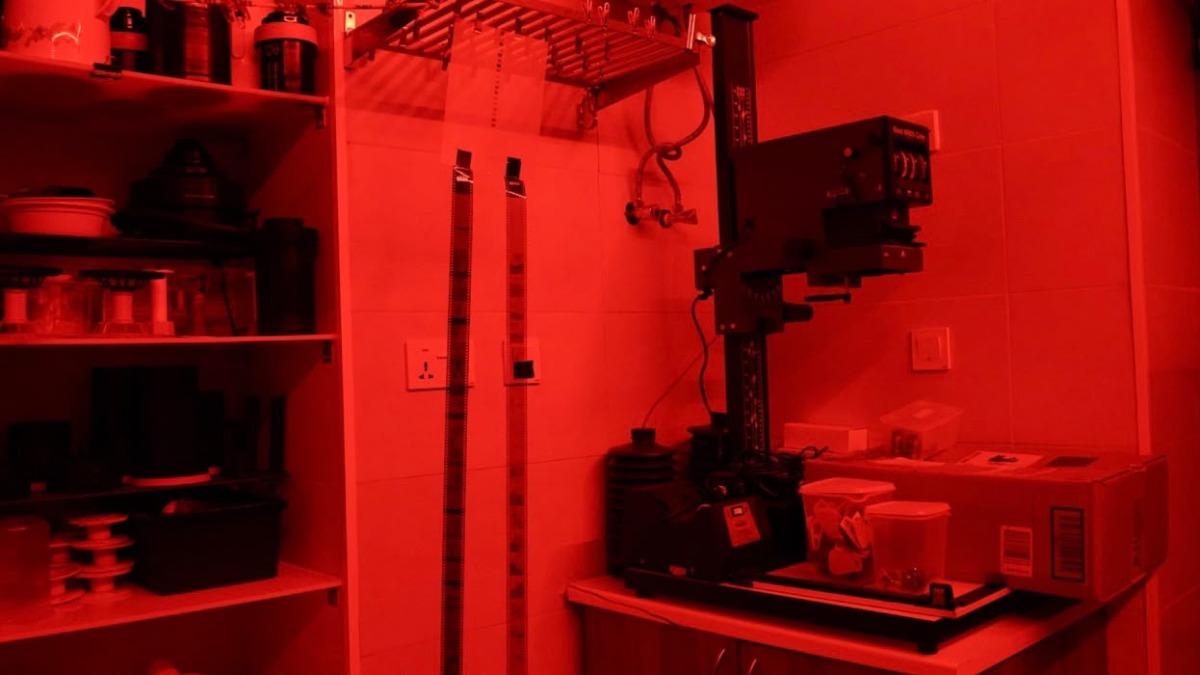
“For many of them, it is the process of exploration, entering an unknown territory. Their interest is often connected to family memories - photographs taken by their fathers, grandfathers and relatives that are preserved in family archives. They want to become part of that story and contribute to that archive themselves.”
He says many young visitors come into the shop curious about photography before the digital era, they’re also drawn to the physical process itself, the hands-on experience of developing film.
“People have grown tired of the speed and convenience of digital photography. Some photographers are looking for something more challenging, and unfamiliar.” he added.
“Having a place where they can purchase film and have it developed encourages them to continue pursuing the medium.”
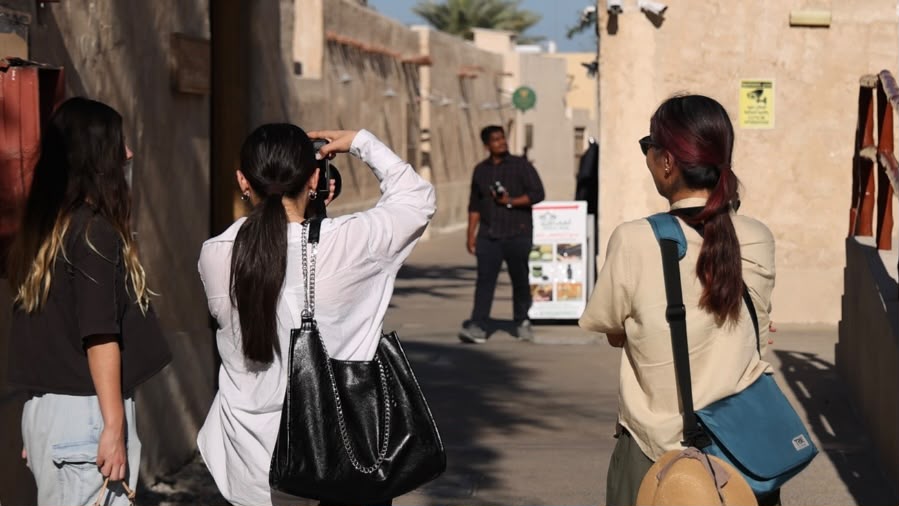
He also mentioned the growing interest in Doha’s film community, photo walks that once gathered a handful of participants now bring together dozens of young photographers, a sign of steady, sustainable growth in the film community in Doha.
The themes Khalifa mentioned; memory, family archives and a desire to unveil mystery, appeared repeatedly among younger photographers.
For Nada, a 25-year-old engineer, analogue photography began with a camera she did not fully understand at first. But it was a way of engaging with a medium she associates with her father while creating an archive of her own through the deliberate process of shooting and developing film.
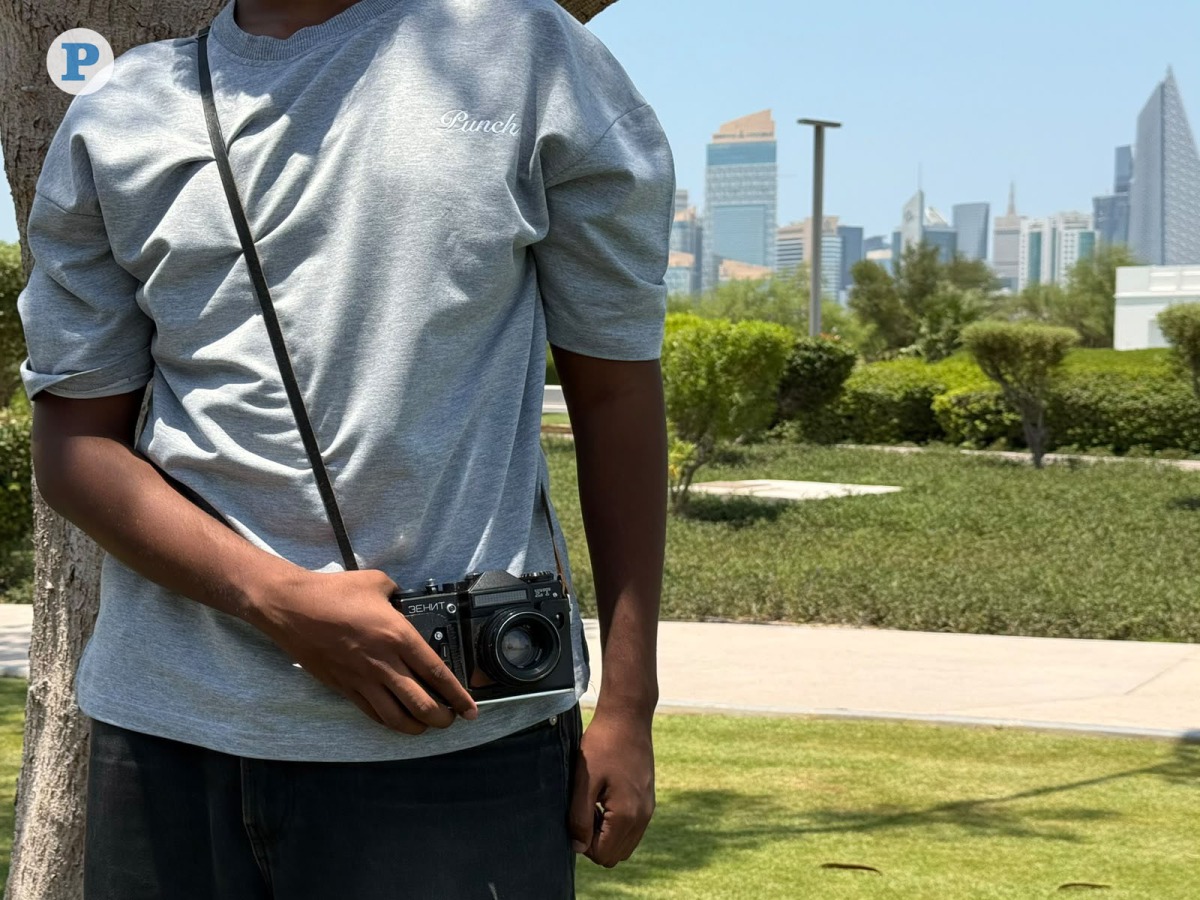
“I got my first analogue camera, a Zenit, during a trip to Bulgaria in 2019. At first, I didn’t fully understand how to use it, but as I learned more, I realised how much control it gave me over the image.”
"Film is limited, but that's precisely what makes it meaningful. It makes you pause, think carefully about your composition and be intentional with every frame.”
Her interest deepened through her learning the process of developing film, as well as through personal connection, with film photography echoing her father’s own experience with the medium. What continues to draw her in is the process itself, particularly the anticipation that comes with the developed negative.
"What appeals to me most is the longevity of physical photographs. Prints and negatives feel more permanent than files stored on an SD card.”
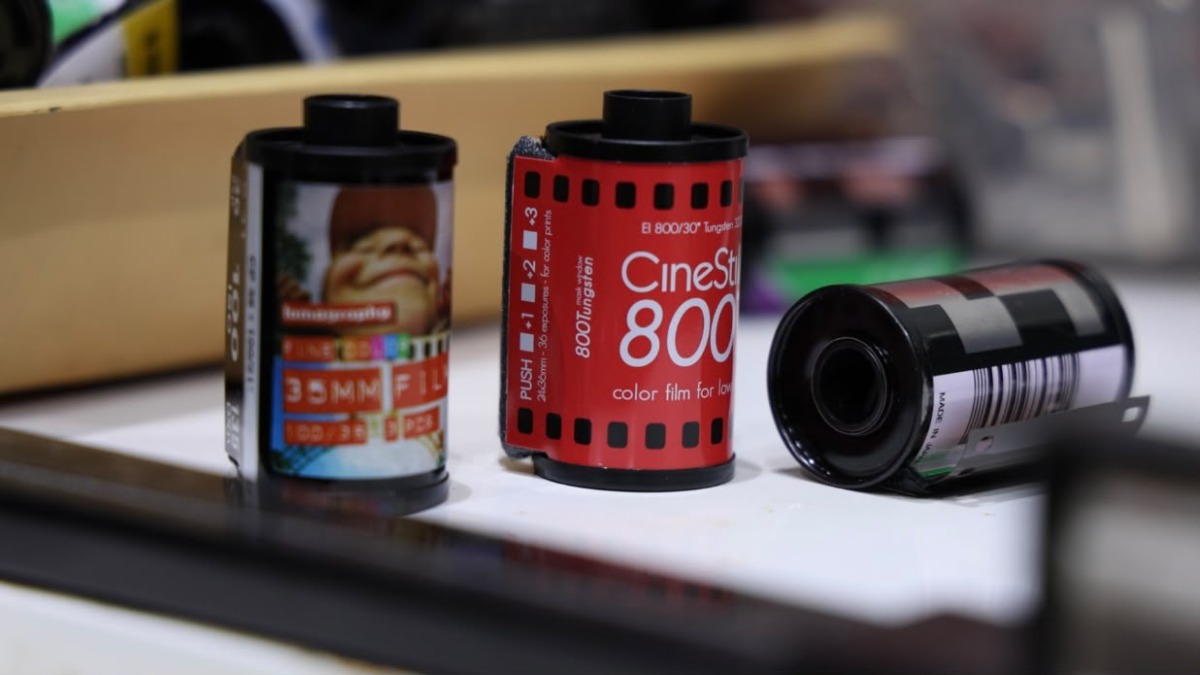
Nada was not alone in these sentiments. Similar themes of intention, nostalgia and process emerged in conversations with other young photographers.
Tamem, a 25-year-old professional photographer who recently started shooting on film, describes analogue photography as a more “technical” and hands-on process.
For him a core memory is of his grandfather photographing his family and storing them in albums, he wanted to continue that tradition.
“There’s something fascinating about using older cameras. They allow you to disconnect from a digital world that moves fast, and experience photography in a completely different way.”
He mentioned the fascination towards the full process, selecting film stock that gives a “nostalgic” and “dream-like” film look, and the anticipation of the results once processed.
Unlike digital photography, he says film requires more patience and technical awareness.
“Shooting on film isn’t as straightforward as using a smartphone, but it makes the process more rewarding.”
These initiatives extend beyond personal interests and nostalgia. For some, analogue photography begins through workshops, volunteering, and structured learning environments that introduce them to the process step by step.
For Osama, a 20-year-old full time photographer, that first encounter came through a volunteer programme at Tasweer.
“That was my first real experience with analogue photography. I was handed a black and white disposable film camera by one of the members and was told to shoot with it.”
“I started taking photography more seriously after that course, where we were encouraged to shoot and explore film.”
Alongside its creative appeal, he also points to something more practical. In certain contexts, analogue photography still holds professional value, particularly when raw, unedited images are required.
“Sometimes, when applying to galleries or museums, they ask for raw, unedited images and film meets that requirement.”
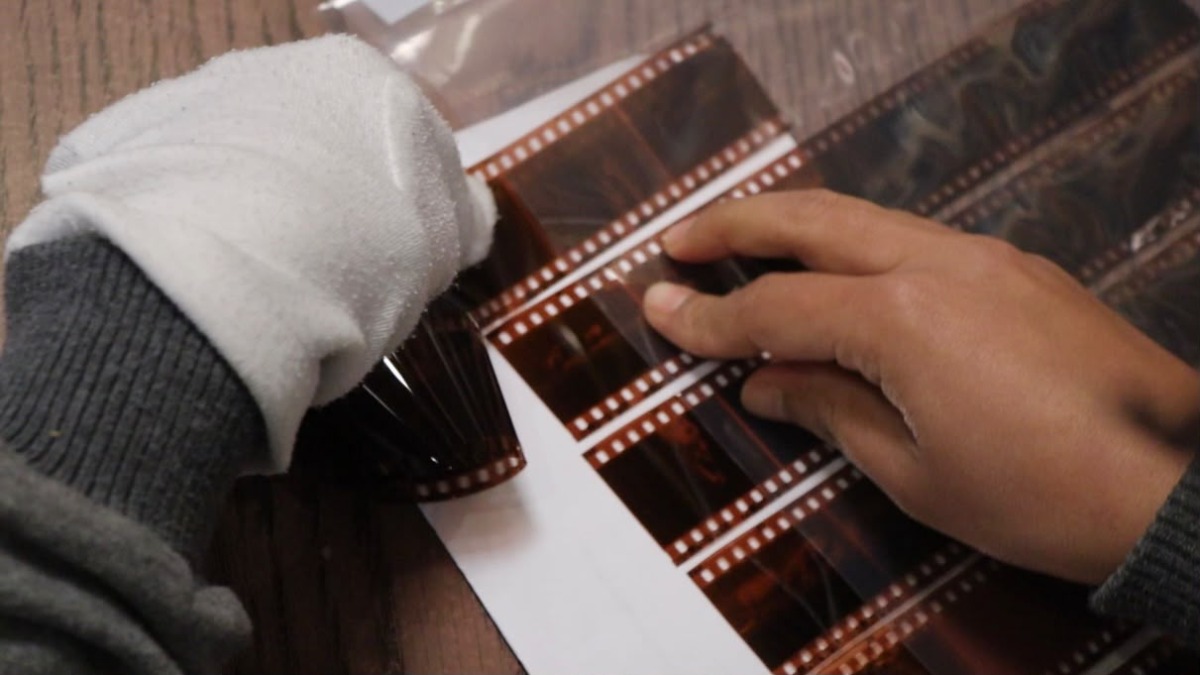
While each photographer interviewed had their own reasons for picking up a film camera, a common thread emerged throughout their experiences.
For some, analogue photography offers a sense of nostalgia and a connection to family memories, creating an archive that can be held, revisited, and passed on to future generations.
For others, it is the opportunity to slow down, embrace what is uncertain and engage more intentionally with the film process in a fast-paced, technology-driven world.