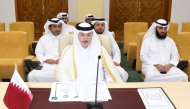
Abdulmunim Al Hammadi, Head of Zakat Disbursement Channels
Doha, Qatar: The Zakat Affairs Department at the Ministry of Awqaf and Islamic Affairs has announced that it provided more than QR53.37m in financial assistance during the first quarter of 2026, benefiting 3,388 families across Qatar.
The support forms part of the department’s ongoing mission to uphold the principles of zakat while strengthening its humanitarian and social impact through a well-structured institutional framework.
Abdulmunim Al Hammadi, Head of Zakat Disbursement Channels, said the figures reflect the significant and positive impact of zakat when delivered through trusted official channels.
He emphasised that the department operates under a system that combines strict adherence to Islamic guidelines with administrative efficiency, ensuring that aid reaches eligible beneficiaries accurately and transparently.
Al Hammadi noted that the first-quarter achievements are a direct result of public trust in the department, highlighting its commitment to professionalism in assessing cases, verifying eligibility, and distributing funds according to approved zakat categories. “Zakat is not merely an obligation; when properly managed, it becomes a tangible humanitarian force that meets real needs, strengthens family stability, and embodies the values of social solidarity,” he said.
The assistance provided during the period was divided into two main categories. Regular financial aid totaled QR8.7m, offering consistent support to families in need of ongoing assistance to meet basic living requirements and maintain stability.
Meanwhile, one-time assistance amounted to over QR44.65m, covering a wide range of urgent humanitarian needs.
These included medical aid, food support through charitable baskets, assistance for debtors, and dedicated support for Gaza residents in Qatar.
The diversity of aid reflects the department’s comprehensive approach to addressing various social, educational, health, and humanitarian needs, while also helping alleviate financial burdens on indebted individuals.
Al Hammadi stressed that zakat is viewed as a profound religious responsibility and trust, not merely a financial resource. He underscored that all procedures, from case study to disbursement, are carried out with the highest levels of accuracy and verification to ensure that funds reach rightful recipients in a manner that fulfils both religious obligations and societal goals.
He further highlighted that the department’s media campaign, “Because Your Zakat is a Trust,” represents more than a slogan; it is a guiding principle embedded in every process and decision. The campaign reflects the department’s accountability to donors, beneficiaries, and the broader community.
Calling on individuals, business leaders, and companies to continue contributing their zakat through official channels, Al Hammadi said such participation enhances the reach and impact of zakat, enabling the department to respond to growing humanitarian needs.
The Zakat Affairs Department, he added, will continue to develop its services, improve operational efficiency, and expand its social impact in line with community expectations, reinforcing its role in promoting social solidarity and stability.