QNA / X
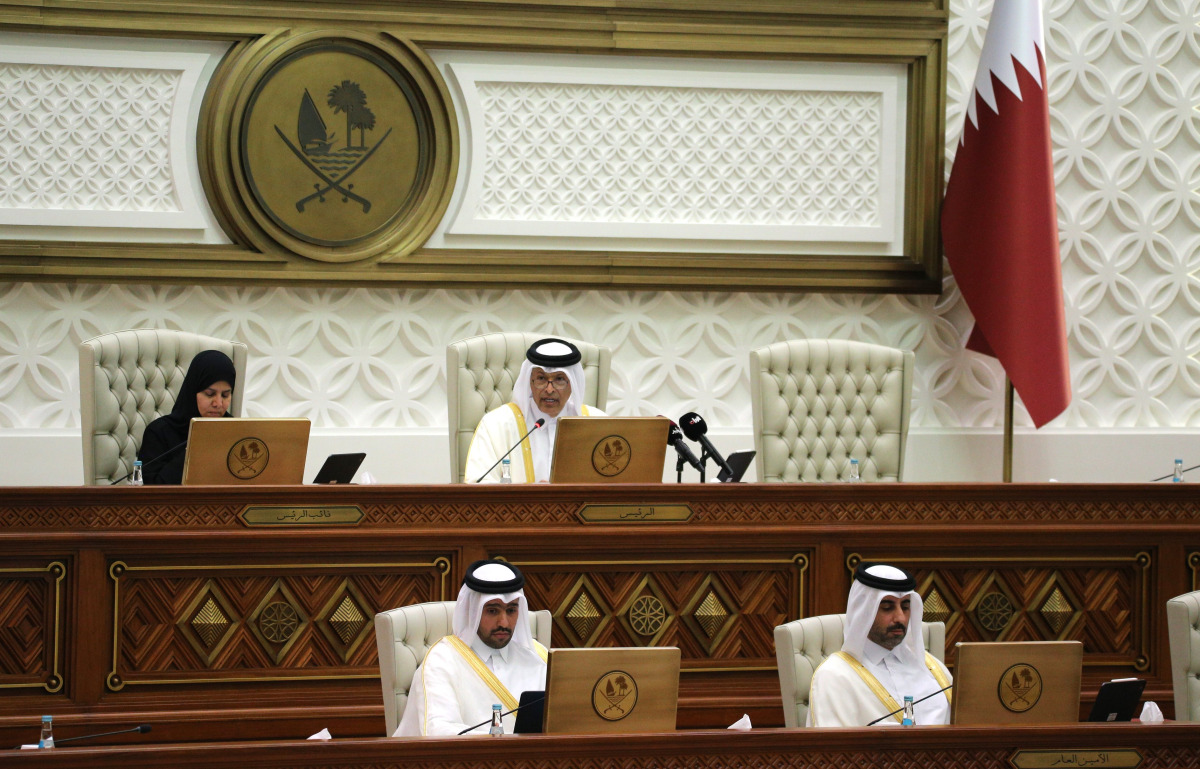
Doha: Qatar's Shura Council on Monday, April 27, 2026, convened its regular sitting in Doha, where members debated the governance of artificial intelligence and considered a number of draft laws.
The sitting was presided over by the Speaker HE Hassan bin Abdullah Al Ghanim, and opened with the Secretary-General HE Nayef bin Mohammed Al Mahmoud reading the order paper. Members then agreed the minutes of the previous sitting.
Opening the debate, HE the Speaker commended Qatar's efforts to keep pace with digital transformation and the adoption of advanced technologies, particularly artificial intelligence, in line with the Amir HH Sheikh Tamim bin Hamad Al-Thani's directives. His Highness highlighted the country's ambition to build a knowledge-based, technology-driven economy that supports sustainable development and enhances international competitiveness.
HE Al Ghanim told members that artificial intelligence is no longer merely a technical tool but an increasingly important factor in shaping public policy and decision-making, stressing the need for a coherent national framework that balances innovation with robust oversight.
Members across the chamber emphasized the importance of establishing clear legal and ethical frameworks to safeguard privacy, uphold human dignity and strengthen digital sovereignty, in line with Qatar National Vision 2030.
During the debate, members raised a number of concerns, including the widening gap between the pace of technological innovation and legislative scrutiny, as well as risks associated with algorithmic bias, data protection, privacy and intellectual property rights. Questions were also raised concerning legal liability arising from the use of AI systems.
They further highlighted challenges linked to reliance on external technologies, the implications for digital sovereignty, and structural shifts in the labor market, underscoring the need to equip the national workforce with skills suited to the digital economy.
Members also reflected on international approaches to AI regulation, noting a range of models from risk-based frameworks to more flexible, sector-led oversight. There was broad agreement that emerging global practice favors proportionate regulatory approaches that balance risk management with support for innovation, while taking into account national contexts.
Following the debate, the motion was referred to the Health, General Services and the Environment Committee for detailed scrutiny and a report back to the chamber.
Separately, the Council considered a draft Gulf Cooperation Council bill on voluntary work, which was given a first reading and referred to the Social Affairs, Labor and Housing Committee for further examination.
HE the Speaker also informed members that proposed amendments to the State Audit Bureau law had been referred to the Legal and Legislative Affairs Committee in accordance with the Council's standing orders.