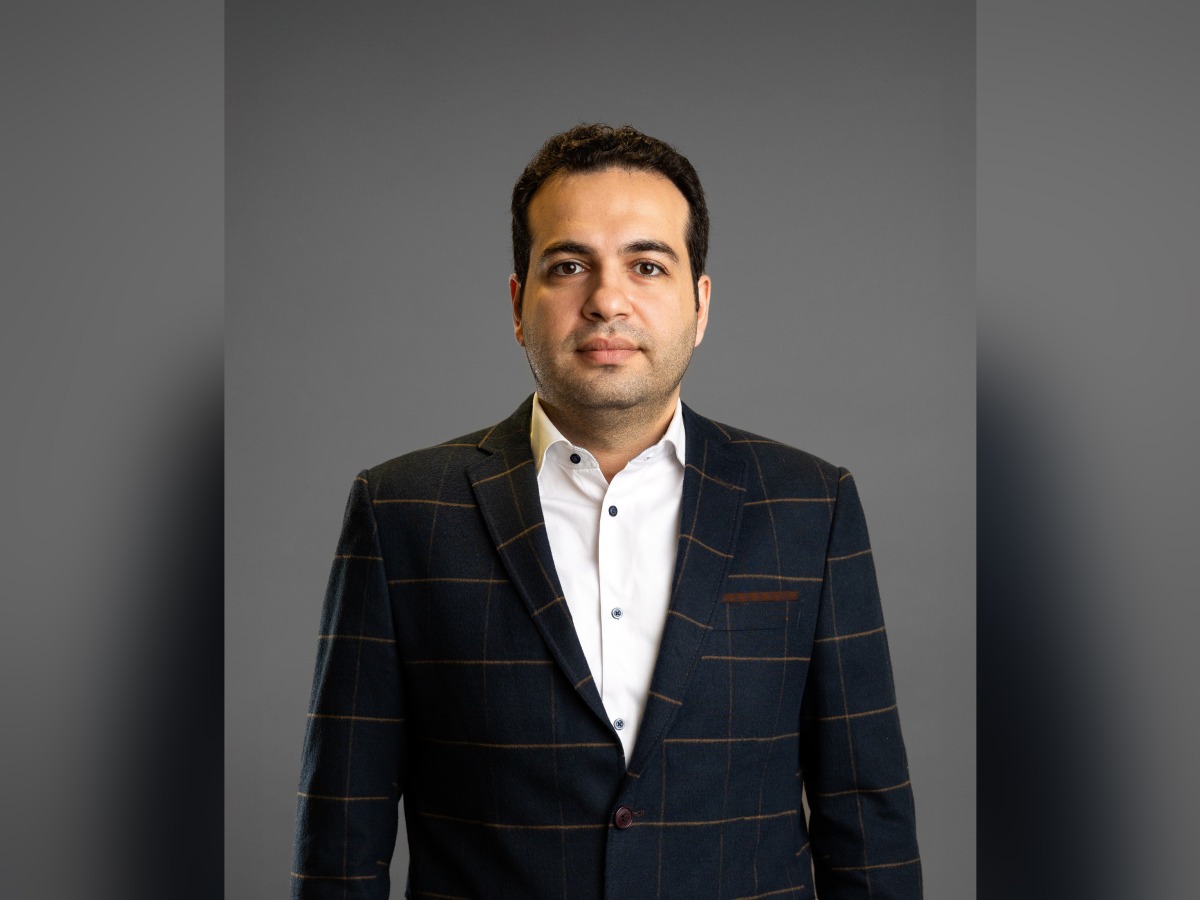
Dr. Mohammed Shaker, a scientist at QBRI’s Neurological Disorders Research Center
Doha, Qatar: A unique research at the Qatar Biomedical Research Institute (QBRI), a part of Hamad Bin Khalifa University, is leading a shift in how the country understands and treats Autism Spectrum Disorder (ASD).
By growing individual-specific “mini-brains” in the laboratory, it is moving Qatar away from traditional trial-and-error medicine toward a future of high-precision, personalised care.
Traditional research has long relied on animal models, but Dr. Mohammed Shaker, a scientist at QBRI’s Neurological Disorders Research Center, argues that these methods fall short of capturing the complexities of the human brain.
“Traditional research approaches, including animal models, cannot fully capture the human genetic background of individuals with Autism Spectrum Disorder or the early developmental processes that occur in the human brain,” Dr. Shaker told The Peninsula, explaining his research.
To bridge this gap, his team uses induced pluripotent stem cells. By reprogramming simple blood cells from individuals with autism, they can generate brain organoids, three-dimensional cellular models that mimic the human brain’s early development.
“This allows us to study human brain development in an individual with autism-specific context,” Dr. Shaker said, providing a “unique window” into how biological pathways are disrupted at the molecular level.
“The long-term impact of this research is to establish a high-throughput human platform for autism condition modelling and drug screening in Qatar,” he said.
Autism is notoriously diverse; a treatment that helps one person may have no effect on another. Dr. Shaker’s research aims to eliminate this uncertainty by establishing a “high-throughput human platform” for drug screening within Qatar.
“In the future, we envision using these models to test potential therapeutic compounds directly on individual-specific brain cells and organoids in the laboratory,” said Dr. Shaker. “This could help identify which treatments are more likely to benefit a particular individual or subgroup before moving toward clinical application.”
He explained that translating these findings into personalised treatment strategies is now closer than ever, although it still requires careful validation and strong clinical collaboration.
At QBRI, significant efforts are being made to understand the genetic architecture of autism in individuals and families in Qatar. In parallel, researchers are generating autism individual-derived stem cell lines and using them to build robust human brain organoid models.
“The key idea is to connect the person’s genotype with the affected brain cell types and the molecular pathways that become disrupted during development,” Dr. Shaker said.
His team has already successfully mapped genetic findings to cellular dysfunction in individual-specific models, giving researchers a clearer picture of which biological pathways may be targeted to reduce disease-related phenotypes in specific individuals.
By testing drugs on these cellular models first, researchers can minimise an individual’s exposure to ineffective treatments, significantly improving the quality of life for families navigating the challenges of ASD.
According to Dr. Shaker the next step is to scale this platform across larger numbers of individuals with autism. Because autism is highly heterogeneous, some biological changes may be unique to one person, while others may be shared across many individuals.
Our long-term goal is twofold: to support personalised medicine for individuals, and also to identify common pathways that could inform broader, more generalisable therapeutic strategies,”
Dr. Shaker said. The work being done at QBRI is more than just academic; it is a direct response to Qatar’s national health priorities. As the country moves beyond autism awareness toward innovation, Dr. Shaker’s research positions Qatar as a regional hub for neurodevelopmental medicine.
“Qatar is moving beyond awareness alone toward precision health, innovation, and improved long-term outcomes,” Dr. Shaker said. He emphasises that the goal is to build a “locally relevant and globally competitive” programme that explains why autism differs so vastly between individuals.
Dr. Shaker credits the robust ecosystem at Hamad Bin Khalifa University for the project’s success. From advanced genomics infrastructure to institutional funding, the environment at QBRI allows researchers to stay focused on “clinically meaningful questions.”