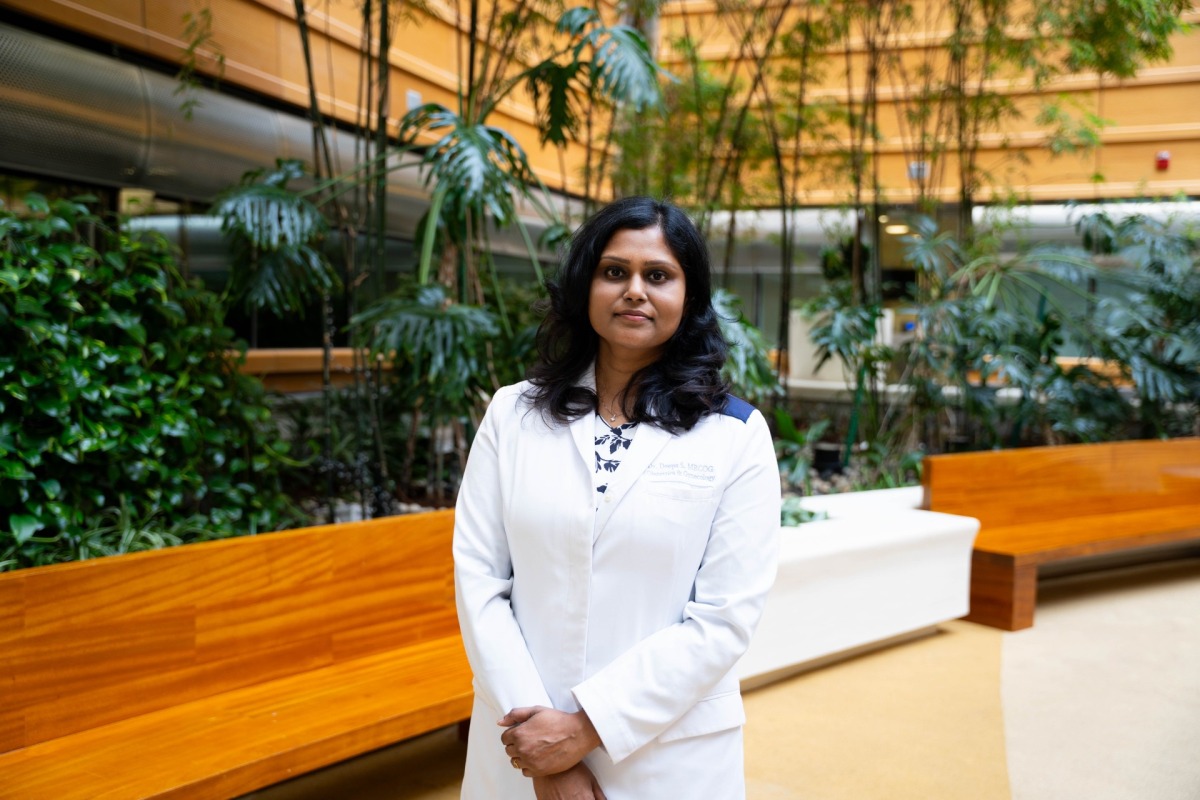
Dr. Deepa Subramanian
Doha: Health experts are urging greater awareness of polycystic ovarian syndrome (PCOS), a widespread hormonal condition affecting women, highlighting that timely diagnosis and appropriate care can significantly ease symptoms and safeguard long-term wellbeing.
A specialist at Sidra Medicine emphasised that while PCOS can present ongoing challenges, early intervention and personalised treatment play a crucial role in helping women manage the condition effectively and maintain overall health.
“Polycystic ovarian syndrome is a chronic condition which can bring some challenges, but with early diagnosis and appropriate treatment, we can certainly manage it well and improve your future health,” said Obstetrics and Gynaecology Attending Physician at Sidra Medicine, Dr. Deepa Subramanian.
PCOS affects an estimated 10–13% of women of reproductive age worldwide, roughly one in 10 — but as many as 70% of cases may go undiagnosed. The condition is considered one of the leading causes of infertility due to irregular ovulation.
“It is not large cysts but rather many small follicles which can affect the ovarian function of releasing eggs regularly,” Dr. Subramanian explained. “It is caused by a hormonal imbalance, where the body produces slightly higher levels of male hormones, or androgens.” Lifestyle and genetics may both play a role in PCOS, she said. “Even though PCOS is more common in women who are overweight, it can occur in women of all body types. It can also affect overall body metabolism, as well as skin, hair, and mood.”
Women with PCOS may face delays in conceiving due to irregular ovulation. “Not all women will have trouble getting pregnant, and even if they do, the majority can achieve a successful pregnancy with the right treatment,” said Dr. Subramanian. “Treatment may include lifestyle modification, medications, and in some cases, assisted reproduction.”
Medical management often focuses on regulating menstrual cycles, managing insulin resistance, and addressing other symptoms. “Birth control pills can help regulate periods and reduce acne and unwanted hair growth, while medications like metformin, nutrition guidance, and weight management can also play an important role,” she added.
Dr. Subramanian stressed that early intervention can also reduce the risk of long-term complications such as type 2 diabetes and heart disease. “Insulin resistance plays a key role in PCOS and has long-term effects on overall health. That is why awareness, early diagnosis, and personalised treatment are so important.” Building on the importance of early detection, Dr. Subramanian highlighted key signs that should prompt women to seek medical advice.
“Women should consider visiting a specialist if they experience persistent irregular periods, particularly when cycles extend beyond 40 days, excessive facial or body hair growth, increased acne, sudden weight gain or difficulty losing weight, or challenges in conceiving,” she said.
“If these symptoms are present, it is important to evaluate for the possibility of PCOS.” She further noted the broader health implications linked to delayed diagnosis. “Metabolic syndrome is twice as common, and Type 2 diabetes is four times more common in women with PCOS compared to the general population. This is why early diagnosis and treatment are essential, not only to support fertility but also to reduce long-term health risks.”
Addressing common concerns among women, Dr. Subramanian underscored the need for a comprehensive and sustained approach to managing the condition.
“Management of PCOS requires a holistic, long-term strategy,” she said. “I would urge women to prioritise lifestyle modifications, including following a low glycaemic-index diet and engaging in regular physical activity to maintain a healthy body weight and improve insulin sensitivity.” She added that even modest changes can make a meaningful difference. “Losing as little as five percent of body weight can help improve menstrual regularity and overall health.” Encouraging women to take an active role in their care, she said, “My key advice is to feel empowered with knowledge about the condition, focus on sustainable lifestyle changes, and seek support from specialists to optimise the journey towards better health.”