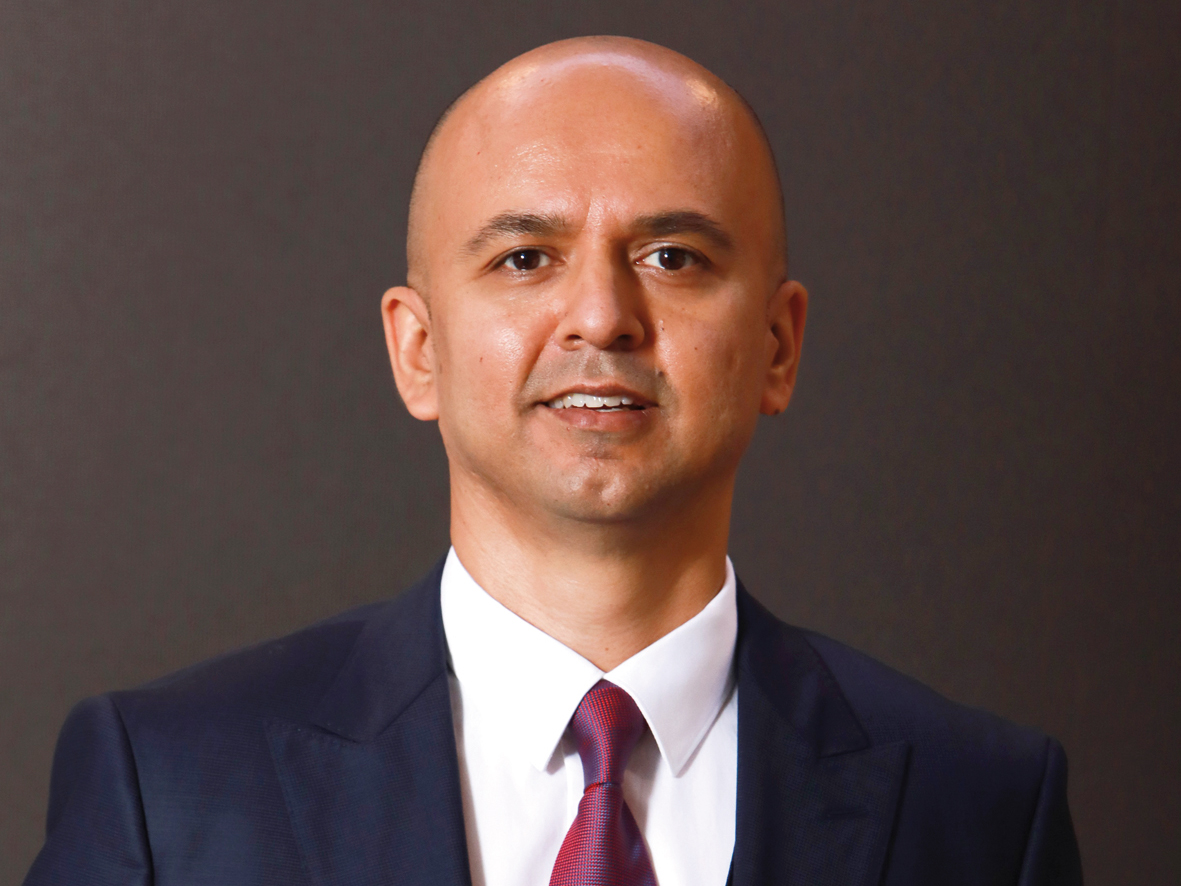
Shashank Singh Visa’s VP and General Manager for Qatar and Kuwait
How would you characterize the payments landscape in Qatar today, and what stands out most to you?
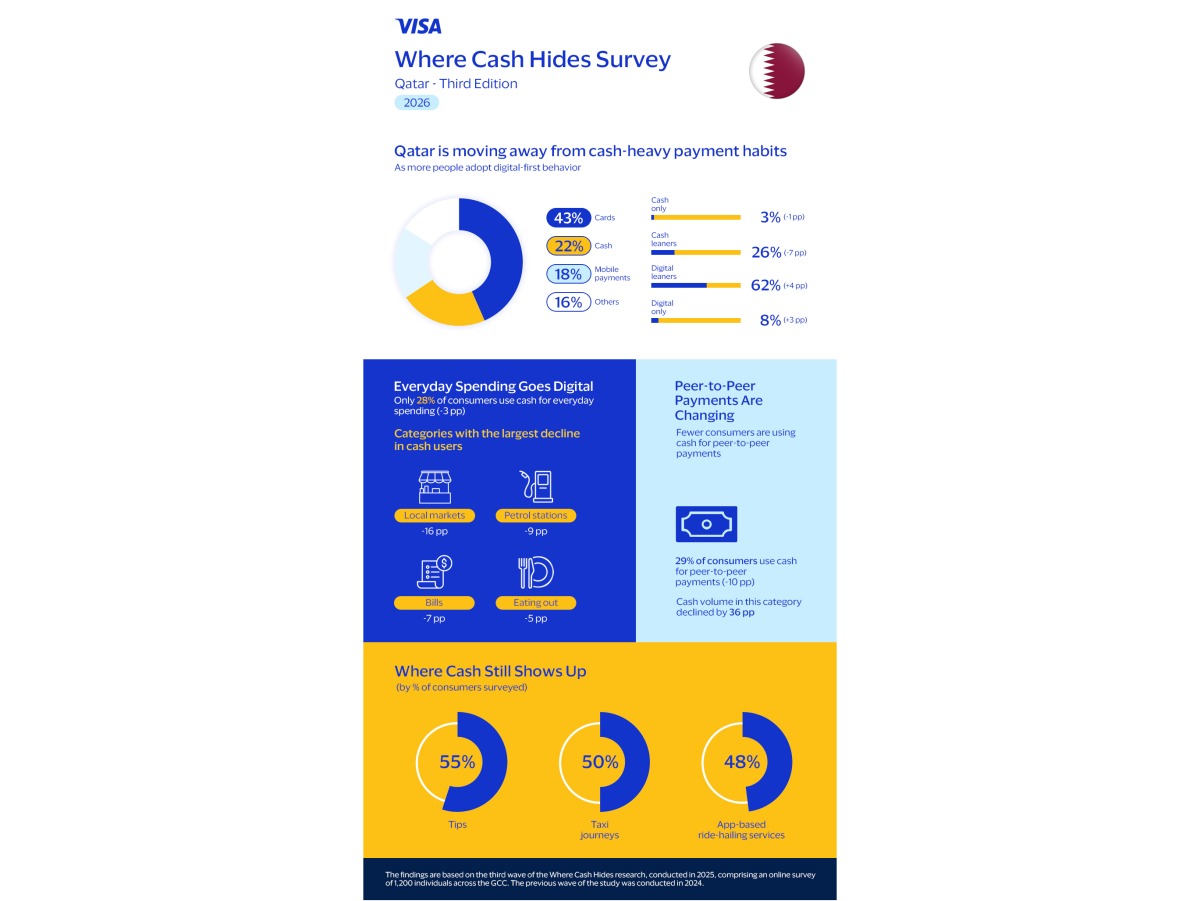
Qatar’s payments landscape is clearly becoming more digital-first, with the shift away from cash becoming increasingly visible in everyday life. According to Visa’s latest Where Cash Hides report, around 62% of consumers are now largely non-cash users – a 4% increase from last year. Notably, there are now more than twice as many non-cash users as those who still prefer cash, with most consumers choosing cards and digital payments for everyday spending.
What stands out is how this shift is playing out in practice. Cards have become the preferred option for everyday activities, while mobile payments are used more often for occasional purchases, reflecting how naturally digital payment options now fit into daily routines in Qatar.
This growing adoption is being driven by confidence as much as convenience. Compared to cash, cards and digital payments offer greater security and transparency, helping consumers manage their spending with greater peace of mind. Credit cards, in particular, add further value through rewards, cashback, and travel or lifestyle benefits. Overall, these trends reflect a payments landscape that is maturing steadily, as digital payments become embedded in everyday spending patterns.
How have consumer payment habits in Qatarevolved in recent years, and what do you see as the key influences behind these changes?
Consumer payment habits have been evolving over the past few years, with digital options becoming the default for everyday transactions. This reflects broader trends in the market, where contactless and mobile payments are favored for their speed, ease of use, and enhanced security.
This shift has been driven largely by how effortless digital payments have become. For everyday transactions such as grocery shopping, paying bills, or eating out, tapping a card or phone is often quicker and simpler than using cash, especially as debit cards and mobile payments are now widely accepted. As a result, many of the traditional reasons for relying on cash have disappeared over time.
Qatari banks have played an active role in accelerating this shift, adopting next-generation payment technologies early and measuring themselves against international benchmarks, as Visa continues to support Qatar’s evolution into a digitally led payments market.
Despite strong digital adoption, where is cash still being used in Qatar?
Even with strong digital adoption, cash still plays a role in a few specific situations in Qatar. Among peer-to-peer payments, tipping remains the most common cash use, with 55% of consumers in Qatar continuing to pay tips in cash.
In other cases, such as international money transfers through exchange houses, cash usage is more about infrastructure.In these areas, digital alternatives are still limited in some instances, which means cash continues to be widely used.
That said, the overall reliance on cash for everyday spending is declining, even in categories where cash has historically been the default. The use of cash for everyday purchases has dropped to 28% from last year’s 31%, especially across cash-heavy categories such as local markets, petrol stations, and bills. This drop reflects a steady change in how people in Qatarchoose to pay.
Looking ahead, what role do digital payments play in supporting Qatar’swider economic and digital development goals?
Digital payments play an increasingly important role in supporting Qatar’sbroader economic and digital goals. They make transactions faster, safer, and more transparent, helping reduce reliance on cash and supporting the country’s move toward a more digital economy. A strong regulatory environment has also helped build trust and encourage innovation, allowing digital commerce to grow and electronic payments to become more widely used.
As digital payments become part of everyday life, they also make it easier for businesses to operate efficiently and connect with customers. At Visa, we work closely with banks, fintechs, merchants, and government partners to expand acceptance and strengthen payment infrastructure. Over time, shifting more everyday transactions to digital channels helps widen participation in the economy and supports a more resilient financial system aligned with Qatar’sVision 2030 goals.