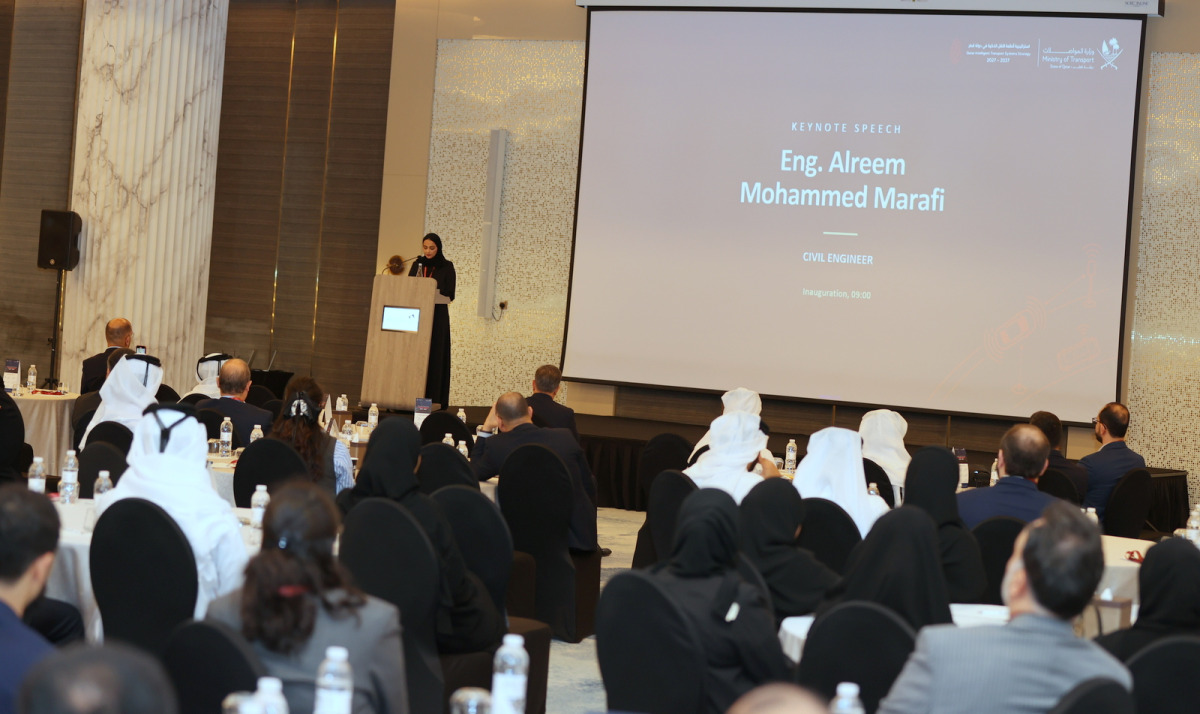
Doha Qatar: A Ministry of Transport workshop on the Qatar Intelligent Transport Systems Strategy and Action Plan 2027–2037 has concluded, in attendance of numerous representatives from relevant entities and key stakeholders.
The Qatar Intelligent Transport Systems Strategy & Action Plan 2027–2037 is a brand-new strategic project being developed by the MOT to deliver a safer, more efficient, and more sustainable transportation ecosystem.
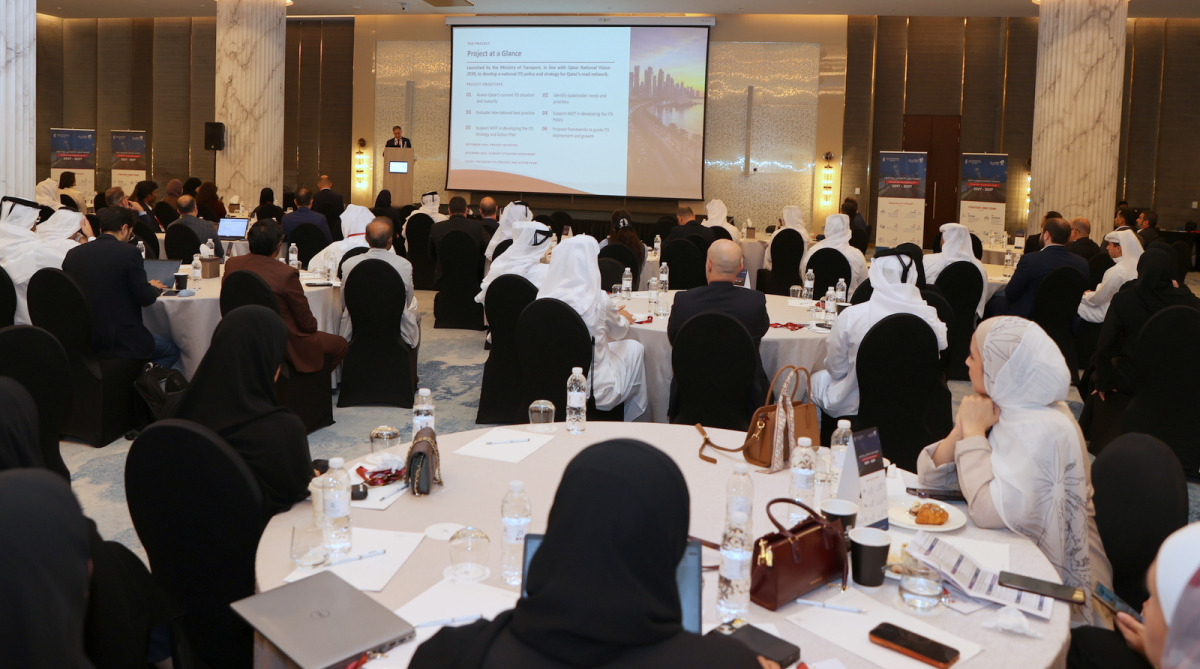 As part of MOT’s approach to engage all parties concerned, the workshop discussed the progress made to date, highlighted key outcomes achieved, and touched upon upcoming phases, priorities, and future directions.
The Strategy aims to establish a uniform national framework to steer relevant entities’ efforts toward developing a safer, more efficient, and sustainable transportation ecosystem through strengthening governance, enhancing network management, optimizing the use of data, supporting innovation, and building institutional capacity.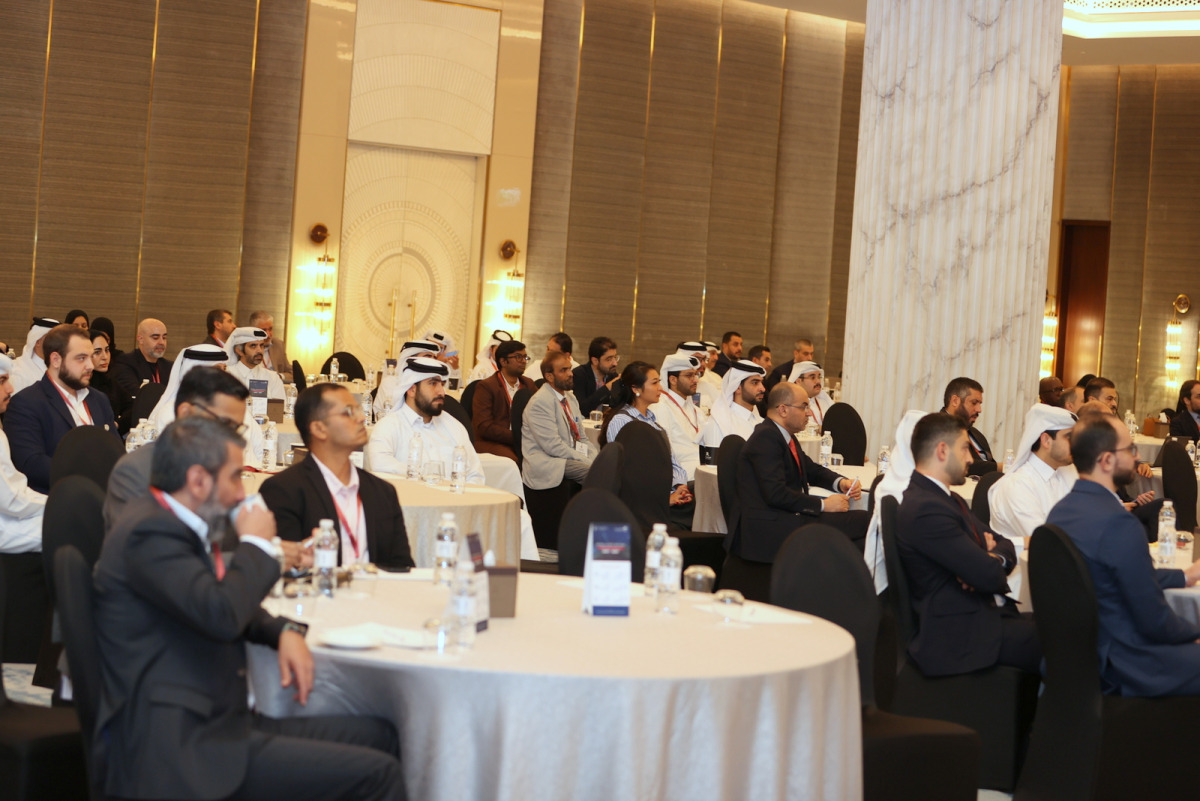 Over the past few years, Qatar has invested in building an advanced transportation ecosystem, which now serves as a fundamental pillar for economic and social development and as this infrastructure matures, the priority has turned toward enhancing operational efficiency and asset sustainability, improving integration among various entities, and leveraging technology and data to both support decision-making and deliver the best possible services to users, said Eng. Reem Mohamed Al-Marafei, civil engineer with the Road Affairs Dept., MOT.
In this context, she noted that the Qatar Intelligent Transport Systems Strategy & Action Plan 2027–2037, which is currently in the making, goes beyond the mere adoption of modern technologies as it focuses primarily on establishing an integrated framework for governance and institutional coordination, enhancing the effectiveness of decision-making, and improving the efficiency of implementation and monitoring—all in step with the goals of QNV 2030, thereby contributing to the realization of national objectives, and maximizing the value derived from future investments.
The successful delivery of this strategy depends on effective inter-stakeholder partnerships, and shared commitment to developing an ITS that supports economic growth, enhances the quality of life, and strengthens Qatar’s regional and global profile, she noted.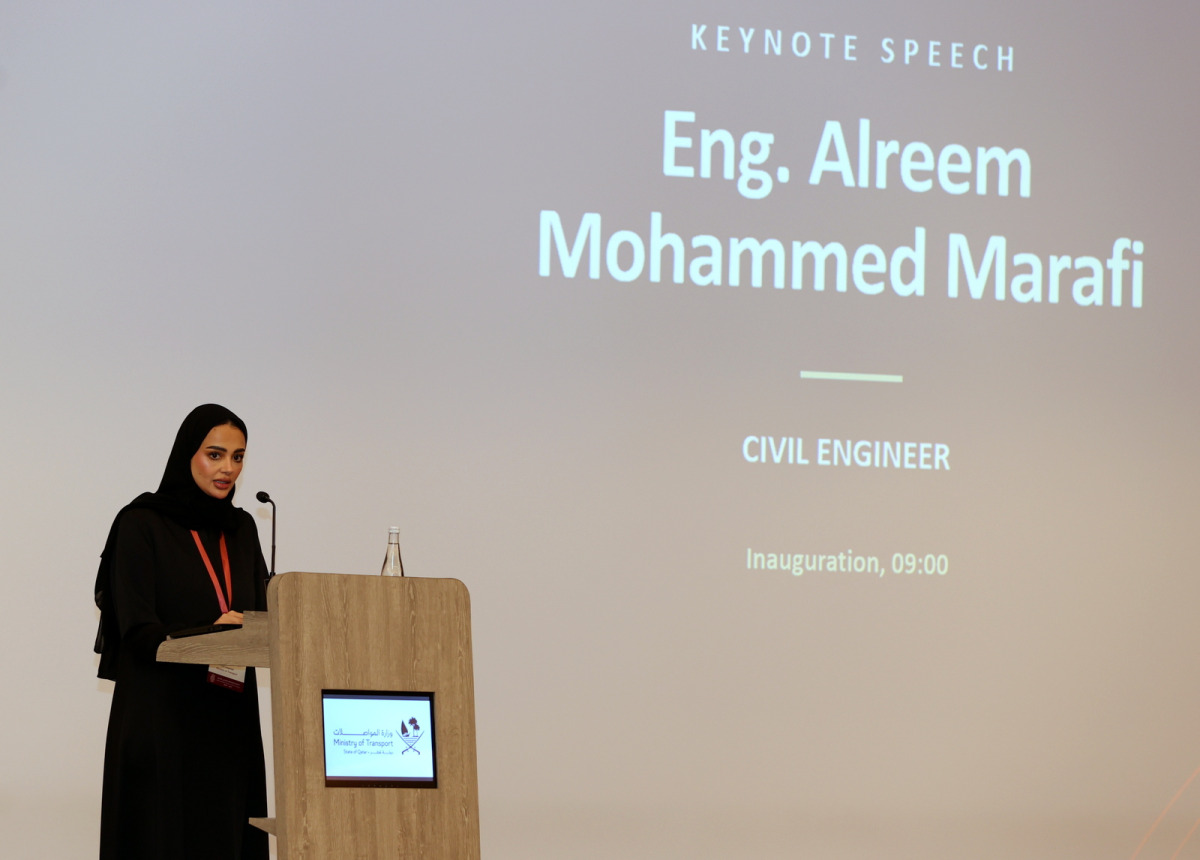 Eng. Al-Marafei said that developing the transportation ecosystem is no longer a single-entity responsibility; rather, it is a collective undertaking that requires stakeholders’ integrated roles and aligned efforts.