Doha, Qatar: Qatar’s International Arabic Calligraphy Competition, Al Raqim, has concluded a month-long training course on Naskh calligraphy and calligraphic panel design, with 12 outstanding participants honoured for their artistic skills, commitment and attendance.
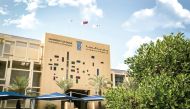
Organised by the Ministry of Awqaf and Islamic Affairs in collaboration with the Museum of Islamic Art, the course was held at the Sheikh Abdullah bin Zaid Al Mahmoud Islamic Cultural Centre, attracting 19 Qatari men and women interested in developing their calligraphy skills.
The programme was led by Qatari calligrapher Ibrahim Ali Abdullah and focused on mastering the rules of Naskh script, its practical applications, and the principles of designing and producing calligraphic panels professionally.
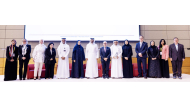
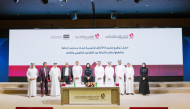
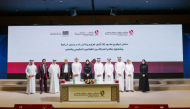
At the conclusion of the course, the organising committee honoured 12 participants, comprising six men and six women, in recognition of their artistic proficiency, dedication and active engagement throughout the training programme.
The committee said the recognition forms part of Al Raqim’s efforts to support national calligraphy talents, encourage their continued creative development and promote a culture of excellence and commitment in specialised training programmes.
The course provided participants with an integrated learning experience combining theoretical instruction with practical exercises. They learned the fundamental rules of Naskh calligraphy, methods of constructing letters and words, and techniques for arranging calligraphic compositions.
Participants also received practical training in designing and producing artistic panels to professional standards, helping them develop the skills needed to create refined works that reflect the aesthetic qualities and cultural significance of Arabic lettering.
The programme offered an opportunity to benefit from specialised expertise and strengthen participants’ artistic abilities through structured instruction and hands-on practice.
The Al Raqim organising committee said the course forms part of a broader vision to discover and nurture national calligraphy talents while providing a supportive artistic and educational environment for creativity.
It added that the competition extends beyond artistic contests to serve as a cultural platform dedicated to promoting the Arabic language and its arts, highlighting the aesthetic and civilisational value of Arabic script, and ensuring the continued presence of calligraphy among younger generations.
The committee also emphasised that accompanying training programmes are a key component of the competition, helping participants refine their abilities and improve the quality of their artistic work.
The initiative aligns with the Ministry of Awqaf and Islamic Affairs’ efforts to promote cultural programmes, strengthen awareness of Arabic language arts and nurture national creative capabilities.
It also supports the objectives of the ministry’s strategic plan and Qatar National Vision 2030, particularly in human and cultural development, by developing national talent and reinforcing Qatar’s cultural identity and heritage.