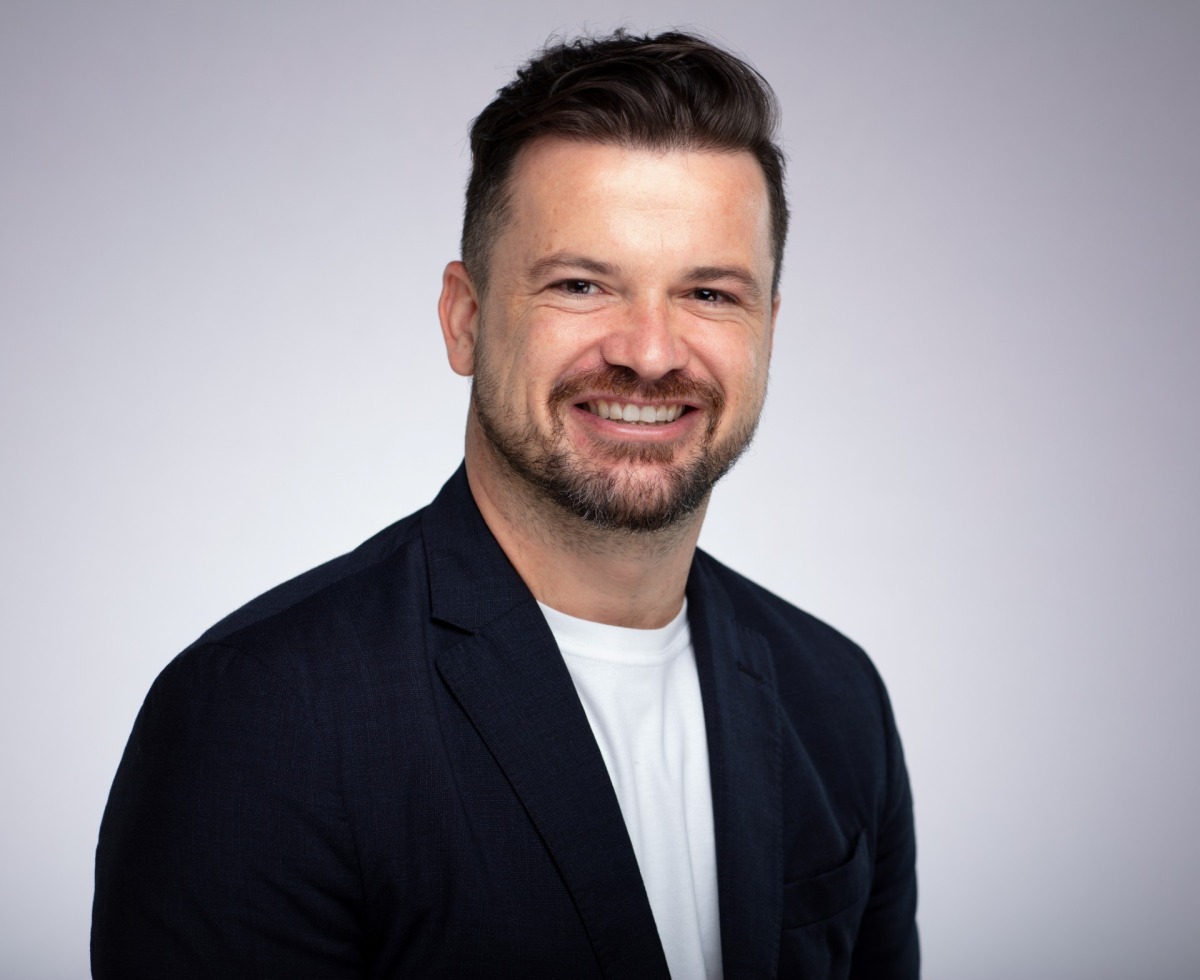
Doha, Qatar: In times of geopolitical crisis, information spreads at unprecedented speed, and the risk of disinformation taking hold has never been greater. According to Associate Professor of Media Analytics at Northwestern University in Qatar, Dr. Marc Owen Jones the problem is not just technological but it is deeply human.
“Disinformation spreads because people share information faster than it can be verified,” he told The Peninsula. “Interrupting that cycle does not require technical expertise. It simply requires a moment of caution.”
Jones emphasised that individuals have more control than they may realise. “Ask where the information comes from. Ask whether it has been confirmed elsewhere. Ask whether it is designed to provoke a strong emotional reaction,” he said. “In an age where information can travel across the world in seconds, a little skepticism goes a long way.”
He added that responsible behaviour online can be simple but powerful. “Sometimes the most responsible thing you can do in a crisis is also the simplest. Read first. Then react.”
The rise of artificial intelligence has made the situation more complex, with deepfakes and manipulated media increasingly circulating during conflicts. At the same time, the speed of information flow means false claims can spread widely before they are verified. According to Jones noted that research shows falsehoods often travel faster than accurate information, especially when they are surprising or emotionally charged.
One of the core difficulties, Jones explained, is the speed at which information travels. “Research has shown falsehoods can spread faster than truthful information, especially when they are surprising or emotionally charged,” he said.
This dynamic helps explain why crises tend to generate so many rumours. “During moments of geopolitical tension, uncertainty is high and reliable information can take time to emerge. People want answers quickly — what happened, who is responsible, is it safe?” Jones said.
“When clear information is scarce, speculation fills the gap, and social media accelerates this process,” he added.
“Platforms tend to reward posts that generate strong reactions including fear, anger, shock, outrage, because those emotions drive engagement and sharing. In other words, emotional content makes more money for Big Tech.”
Not all misinformation is spread deliberately. “Sometimes misinformation spreads innocently. Someone shares an old video believing it is current, or repeats a rumour they heard from a friend,” Jones said. “But crises also attract actors who deliberately push misleading narratives online.”
These actors, he said, range from anonymous accounts to politically motivated influencers. “They may circulate false or exaggerated claims because they attract attention or advance a political agenda.”
The impact of such misinformation can be serious. “False claims can make already tense situations worse,” Jones warned.
In some cases, he added, confusion itself is the objective. “If audiences become overwhelmed by competing claims, the truth becomes harder to identify, and trust in reliable sources begins to erode.”
Addressing this challenge requires a collective effort. “Governments play an important role by communicating clearly and quickly so that rumours do not fill the information gap,” Jones said, noting that timely updates from trusted institutions can provide a reliable reference point during uncertain events.
He also highlighted the role of the media. “Responsible journalism, verifying claims before publishing them and correcting misinformation when it appears helps stabilise the information environment when social media is flooded with speculation.”
Ultimately, however, the public plays the most critical role. “Don’t share information if you’re not sure where it came from, or if it has been verified. If in doubt, don’t shout it out.”
In Qatar, authorities have consistently emphasised the importance of relying on verified information during periods of regional tension. Official communication channels encourage residents to follow trusted updates and avoid circulating unconfirmed claims online, with tools such as phone alerts helping to keep the public informed.
“This reflects an important lesson from crisis communication,” Jones said. “Clarity and credible information help reduce speculation and public anxiety. When people know where to find reliable updates, they are less likely to turn to rumours circulating on anonymous social media accounts.”
While no country is immune from misinformation, strong and trusted communication channels can help prevent false narratives from escalating unnecessarily.
For ordinary users, Jones said, the most effective defence remains straightforward. “First, check the source. Anonymous accounts or profiles with no clear identity should always be treated cautiously,” he said. “Second, look for confirmation. Major developments are usually reported by multiple credible outlets, not just a single viral post.”
He also urged people to reflect on their own biases. “People are more likely to believe information that confirms what they already think,” he said. “And ask yourself: do you really need to share?”
Above all, he stressed the importance of slowing down. “If something makes you feel an urgent need to share it immediately, that is often a sign that it deserves closer scrutiny.”