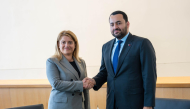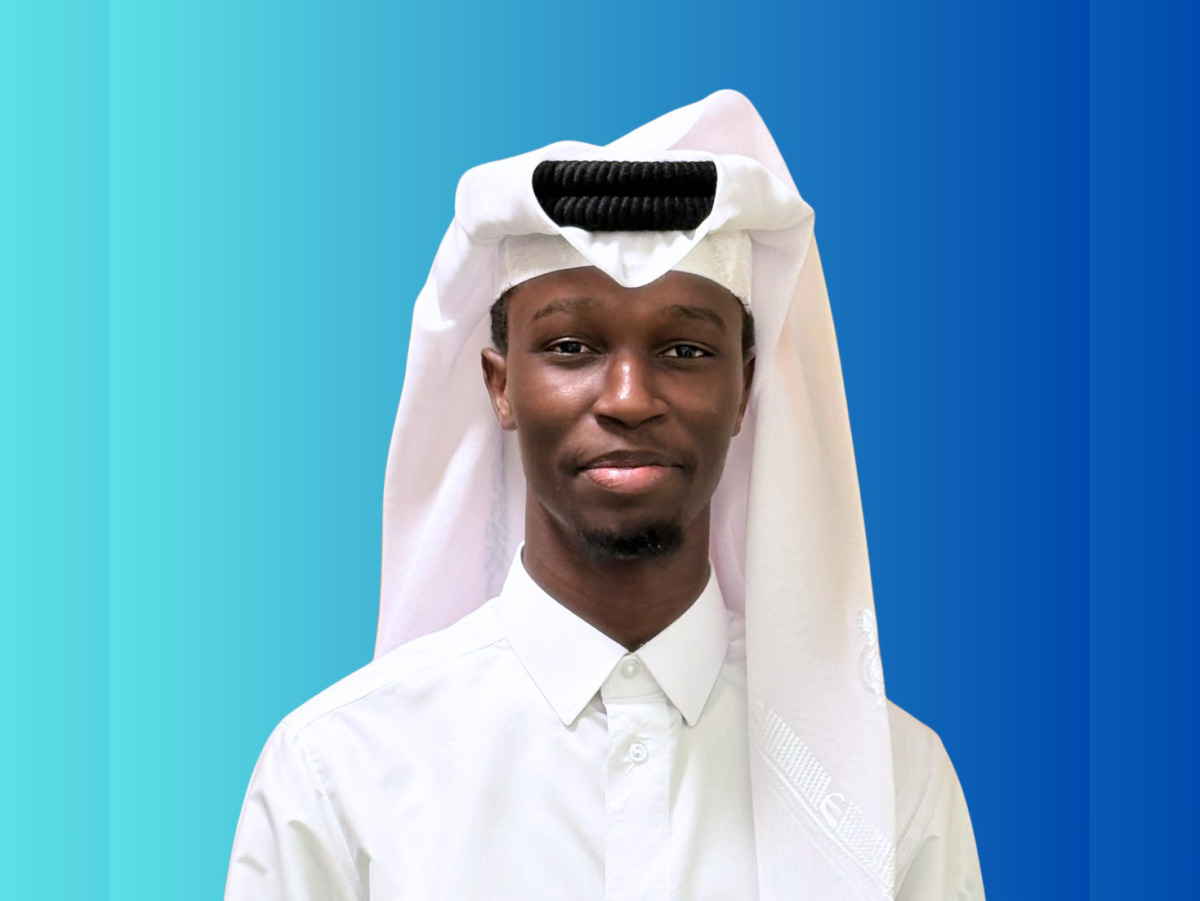
Abu Zaid Tunkara, a QIYADA ambassador and Grade 12 student
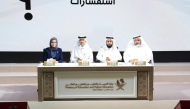
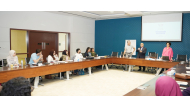
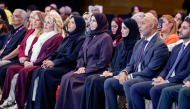
Doha, Qatar: Qatar Foundation’s QIYADA (Qatar Islamic Youth Aspiration and Development Assembly) conference provides a platform for scholars, thought leaders and inspiring figures to engage with Muslim youth in Qatar on contemporary challenges and solutions rooted in faith, values and shared societal experiences.
The second edition, under the theme ‘Guided by Faith: Thriving in a Changing World’, will be held on September 25-26 at Multaqa (Education City Student Center). Speakers include scholar and human rights activist Dr Omar Suleiman; Dr Hanan Ahmed Al-Qattan, Founder and Director of the Etizan Center for Psychological, Educational, and Sharia Consultation and Training; Sudanese filmmaker and Al Jazeera Media Network journalist Amjad Al-Nour; and Yemeni social media influencer and blogger Fedaa Al-Deen Yahya.
The conference aims to help young Muslims develop leadership skills, connect with influential figures and innovators, broaden their intellectual horizons and turn ideas into meaningful contributions to society.
Abu Zaid Tunkara, a QIYADA ambassador and Grade 12 student at the Ministry of Education and Higher Education’s Religious Institute Preparatory and Secondary School for Boys, said the conference plays a key role in cultivating a generation that combines its heritage with modern tools.
Tunkara, who was born in The Gambia and is active in Arabic digital content creation and poetry, said QIYADA bridges the gap between theory and practice.
“Developing leaders goes beyond mere principles and flashy slogans,” he said. “It requires interactive workshops and experiences that foster critical thinking and train young people in decision-making and adapting to the changing times.”
He said QIYADA encourages initiative and social responsibility, helping young people move from being consumers of solutions to creators of them.
Tunkara also highlighted the role of religious education in strengthening young people’s intellectual resilience and understanding of their identity.
“Today’s youth face a torrent of ideas fraught with doubts; their shield against this is knowledge grounded in both rational and scriptural evidence,” he said.
He added that understanding the philosophy behind religious rulings and the values of Islamic legislation through language and literature can help young people develop intellectual and spiritual confidence while remaining connected to their faith and culture.
Tunkara also described poetry as an important tool for connecting young people with cultural and religious values.
“An educational and cultural medium capable of touching hearts and reaching the depths of the human spirit,” he said, describing poetry’s potential when presented in a contemporary style that resonates with young people.
His own education in Qatar has combined scientific studies with Islamic studies, Arabic language and literature, as well as the memorisation of poetry and traditional texts. He said this combination had given him a balanced perspective, with sciences fostering logical thinking while language, literature and Islamic studies provided human and spiritual depth.
He said Qatar’s educational environment combines traditional Islamic scholarship with modern academic opportunities, offering young people opportunities for research, learning and intellectual development.
Tunkara believes leadership development is an important starting point for creating tangible social impact.
“Leadership is neither a position to be granted nor a title to be assumed; it is a responsibility that begins with leading yourself, and directing yourself toward the greater good,” he said. “The QIYADA conference opens its doors to those driven by the passion to transform their individual ambitions into collective successes with rewarding outcomes.”