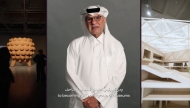
Doha, Qatar: Qatar is expected to witness the first noticeable decline in temperatures from September 20, marking the beginning of a gradual seasonal transition, according to Dr. Faisal Al Ansari, Executive Director of the Qatar Calendar House.
Speaking to Al Rayyan TV, Dr. Al Ansari said the year is divided into 28 star periods, four of which fall under Suhail. The Suhail period lasts 53 days and comprises four main stars: Al Tarfah, Al Jabha, Al Zubrah and Al Sarfah.
Most of these periods last around 13 days, while Al Jabha lasts 14 days.
According to Qatar Calendar House observations, the first clear break in temperatures and noticeable climatic change begins with a major seasonal milestone on September 20, around 26 days after the beginning of the referenced star periods.
Al Ansari said the changes during this period are particularly noticeable to people involved in fishing, farming and desert activities. Day and night become equal in length, changes occur in the movement and behaviour of fish, the land becomes more suitable for certain seeds and seedlings and cooler conditions begin to gradually set in, with daytime temperatures declining.
He noted that the seasonal transition can also be felt more broadly across society, including through an increase in some mild respiratory conditions associated with changes in temperature and air conditions.
Al Ansari said these signs collectively indicate the beginning of a genuine seasonal change. Al Sarfah begins on October 3, followed by the start of the Al Wasm season on October 16.
Al Wasm holds particular significance in Qatar and the region's traditional climatic knowledge because of its association with rainfall. Its calculated starting date also marks the beginning of the period when desert truffles, locally known as fagaa, may potentially start appearing.
He explained that there is a distinction between the calculated Al Wasm season and its actual onset. Rainfall may arrive several days before or after the calculated date, while the actual Al Wasm is associated with the rainfall itself, which people traditionally anticipate because of its direct impact on the land and the subsequent spring season.
He stressed that traditional knowledge of stars and seasons extends beyond predicting temperatures, encompassing agriculture, livestock, fishing and desert life, and has historically helped people in the region organise their activities throughout the year.
Al Ansari also stressed the importance of preserving and passing this traditional knowledge to future generations, saying it represents accumulated knowledge developed by the people of the region and helps maintain their connection with the land, environment and natural surroundings.