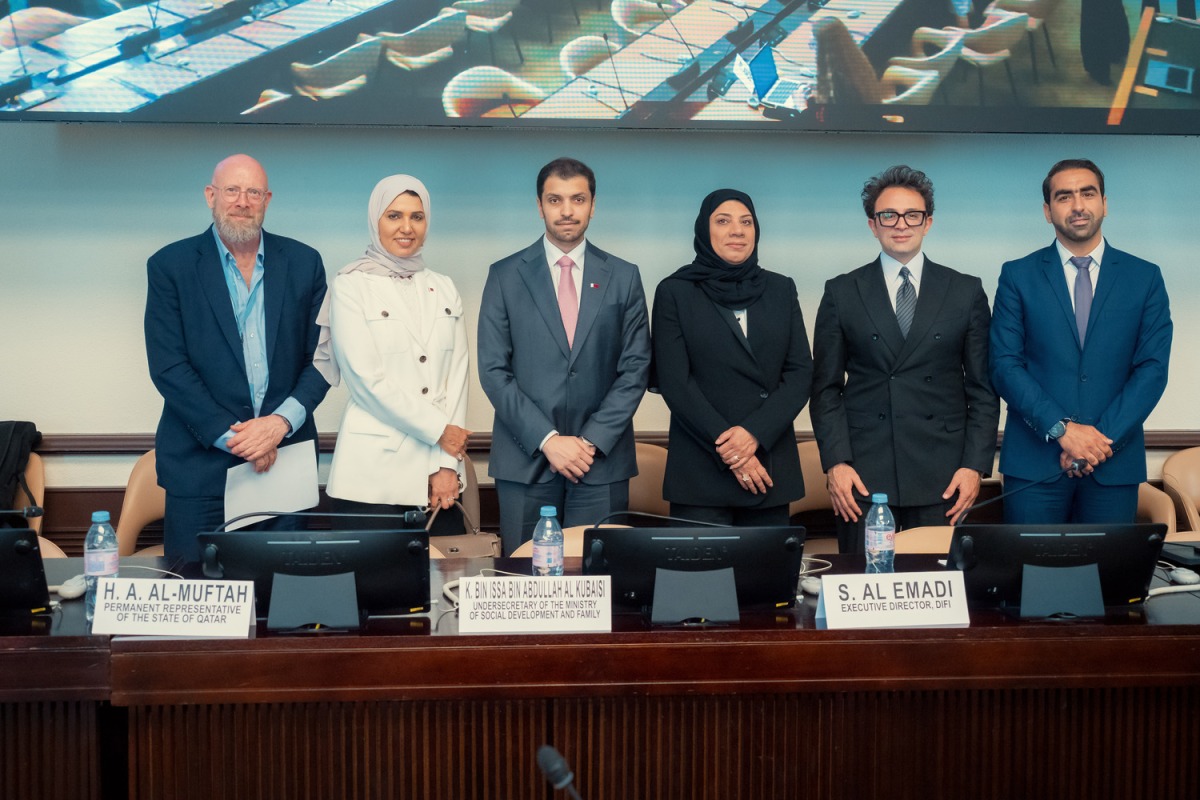
Geneva, Switzerland: Global dialogue on supporting families amid conflict, safeguarding children against the risks posed by the digital age, and nurturing young leaders in humanitarian law has been led by Qatar Foundation and its partners on the United Nations stage in Switzerland.
The 62nd Session of the United Nations Human Rights Council has seen Qatar Foundation (QF) member Doha International Family Institute (DIFI) co-host two side events that have brought together international leaders to discuss solutions to crucial challenges facing families in a turbulent and increasingly technology-driven world.
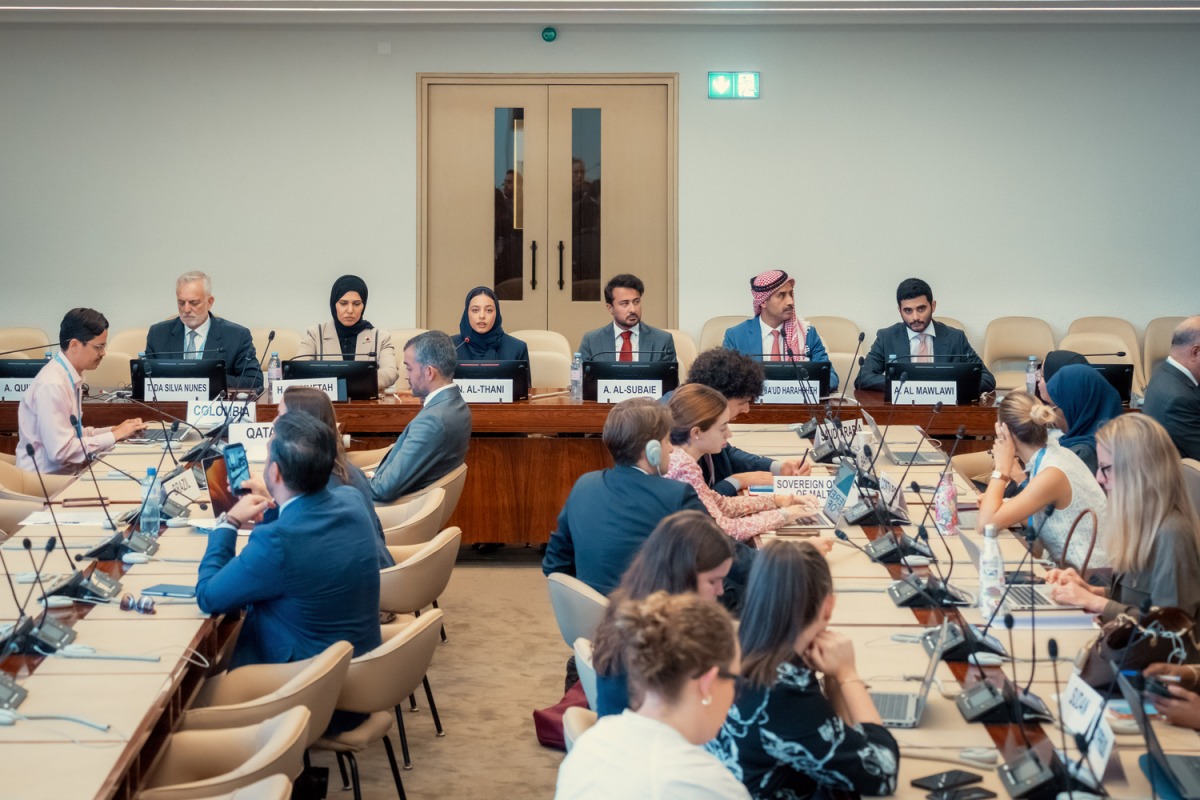
The global gathering in Geneva has included a side event sponsored by QF-founded QatarDebate, where the role of young people as advocates, educators, and community leaders in advancing international humanitarian law was amplified to delegates. QF’s participation has also highlighted to an international audience how Qatar is playing a leading role in empowering women and girls through sport, and the importance of designing spaces and opportunities specifically for them, and informed by them.
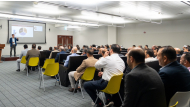
Jointly organized by the Permanent Mission of the State of Qatar to the United Nations Office in Geneva and DIFI, a discussion on ‘Family Wellbeing and Resilience During Conflict’ highlighted how conflicts and humanitarian crises place pressures on families that restricts their ability to be caregivers, and to provide emotional support and social stability.
With speakers including Dr. Sharifa Noaman Al-Emadi, Executive Director of DIFI, and Dr. Ahmed Aref, the institute’s Director of Family Research and Policy, the event emphasized the importance of integrated, family-centered policy approaches in strengthening family resilience; and of supporting families in conflict settings or unstable environments through evidence-based policies and programs, and practical approaches.
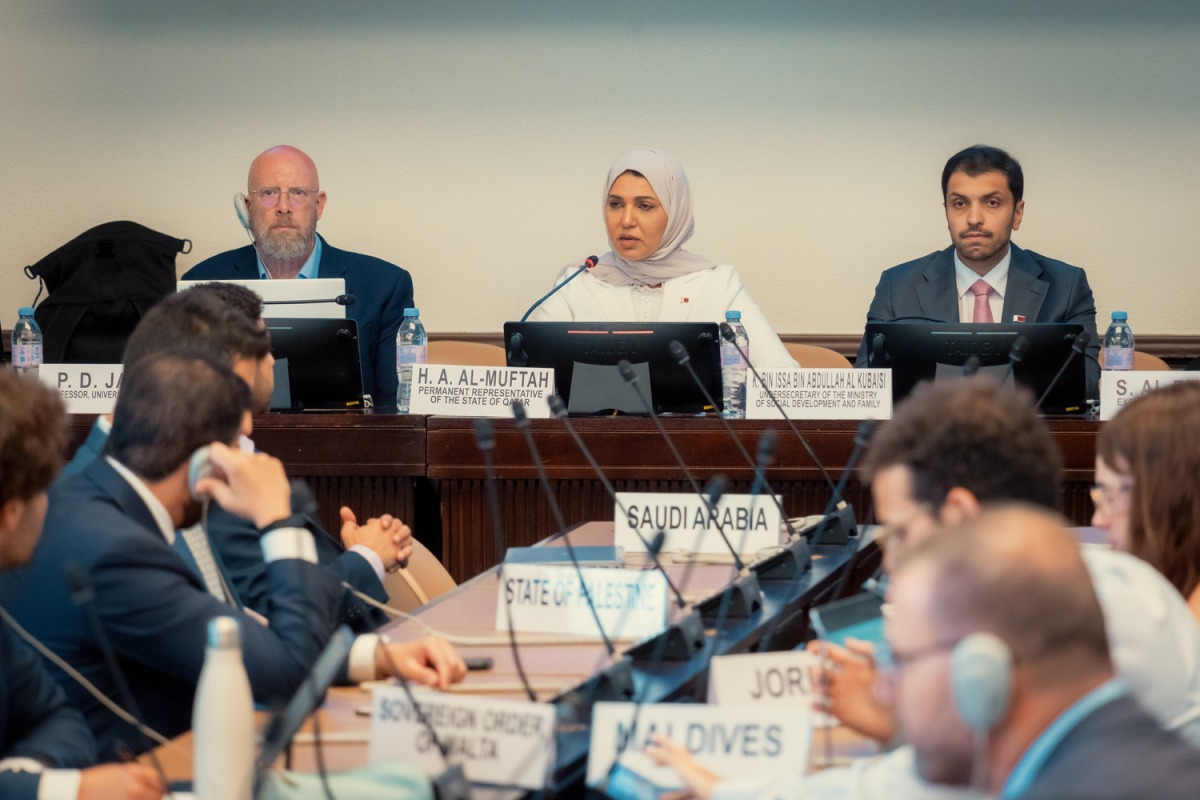
And together with the Permanent Mission of the State of Egypt to the United Nations in Geneva and non-profit organization Global Helping to Advance Women and Children, DIFI organized an event on the topic of ‘Protecting Children from Emerging Forms of Harm in the Digital Era’, centered around the role of parents, communities, and national bodies in ensuring that advances in technology support children’s wellbeing, rather than endangering them, exposing them to harmful content, or affecting their mental health and social interactions.
Pointing to gaps in international policy discussions and formal safeguards in this area, the discussion explained that protecting children from digital harm requires not only legal and institutional measures, but also paying “serious attention to parents’ rights and responsibilities”, including through enhancing their digital literacy and awareness of “emerging risks”, and supporting them with practical tools to help them guide their children’s technology use.
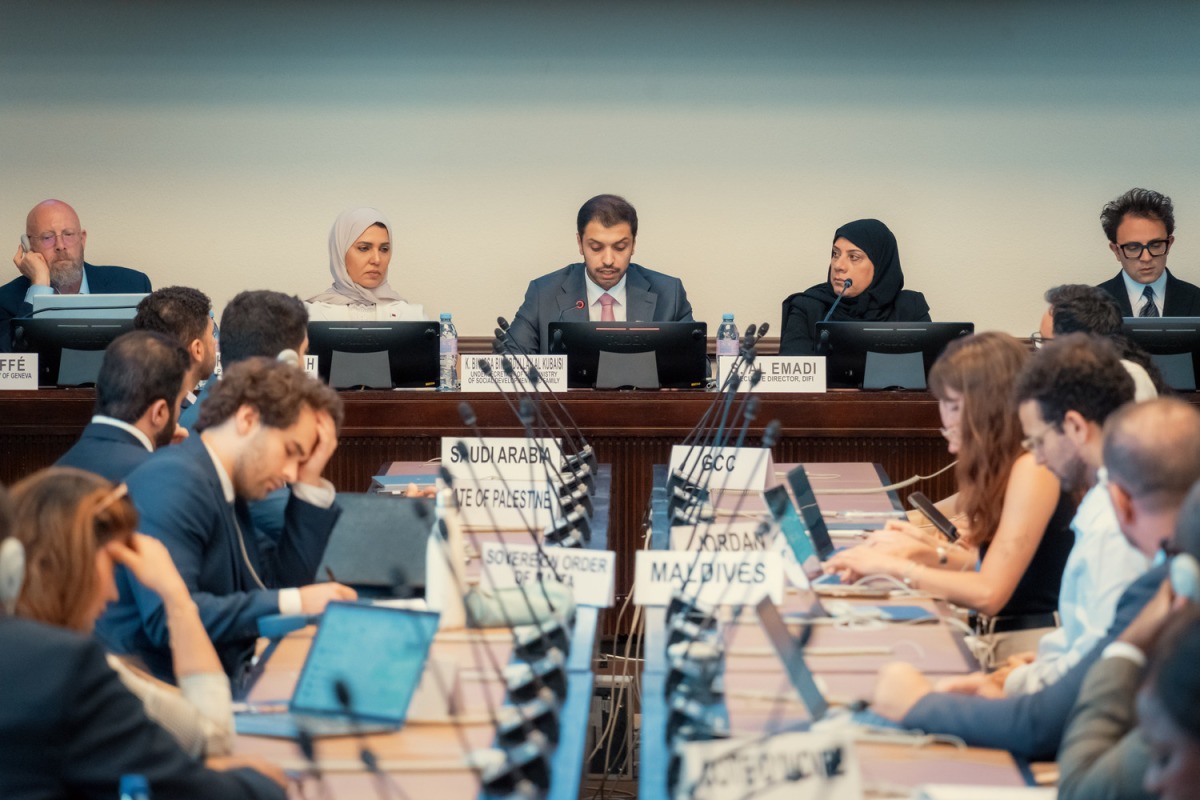
“At DIFI, we believe that family wellbeing must be central to global policy and human rights discussions on protection, resilience, and social stability,” said Dr. Al-Emadi. “DIFI’s participation at the 62nd Session of the Human Rights Council has provided an important opportunity to bring evidence from our research and policy work into international dialogue.
“Through the side event organized by DIFI in partnership with the Permanent Mission of the State of Qatar in Geneva on ‘Family Wellbeing and Resilience During Conflict’, we aimed to highlight family wellbeing as a strategic entry point for strengthening resilience, protecting children, and supporting social stability in contexts of crisis and conflict. By further contributing to a side-event on ‘Protecting Children from Emerging Forms of Harm in the Digital Era’, we have reinforced the need for preventive and integrated approaches that strengthen the role of the family, empower parents, and support institutions.”
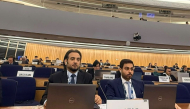
Meanwhile, QatarDebate and the Permanent Mission of the State of Qatar to the United Nations Office in Geneva, together with the Permanent Mission of the Hashemite Kingdom of Jordan, co-sponsored ‘The Next Generation of Humanity: Youth Leadership in International Humanitarian Law’. This side event provided a platform for representatives of states, humanitarian organizations, civil society, and young voices from around the world to explore the role of youth leadership in advancing this aspect of law.
Addressing topics including international humanitarian law’s contribution to forging lasting peace, its gaps, and how young leaders can strengthen it through grassroots initiatives, the event reinforced the message that younger generations must be “equipped and empowered” to champion its principles as “an essential safeguard of humanity and dignity”.
Speaking at the event, Abdulrahman Al Subaie, Administrative and Strategy Director at QatarDebate, emphasized the importance of moving youth participation beyond classrooms and into spaces of influence and decision-making, saying: “As a center established under Qatar Foundation, we view dialogue as a vital tool for preparing an informed and responsible generation capable of contributing meaningfully to discussions and solutions surrounding global issues.”
Noor Mohammed Al Thani, a QatarDebate ambassador and session moderator, highlighted that young people are no longer merely observers of crises, but have become influential actors capable of steering international discussions toward commitments that uphold human dignity and transform dialogue into tangible impact on the ground. The event reflected QatarDebate’s efforts to strengthen youth engagement in international forums, and prepare young people to become future leaders and agents of positive change.