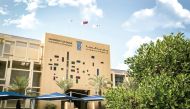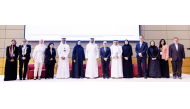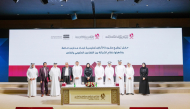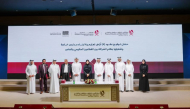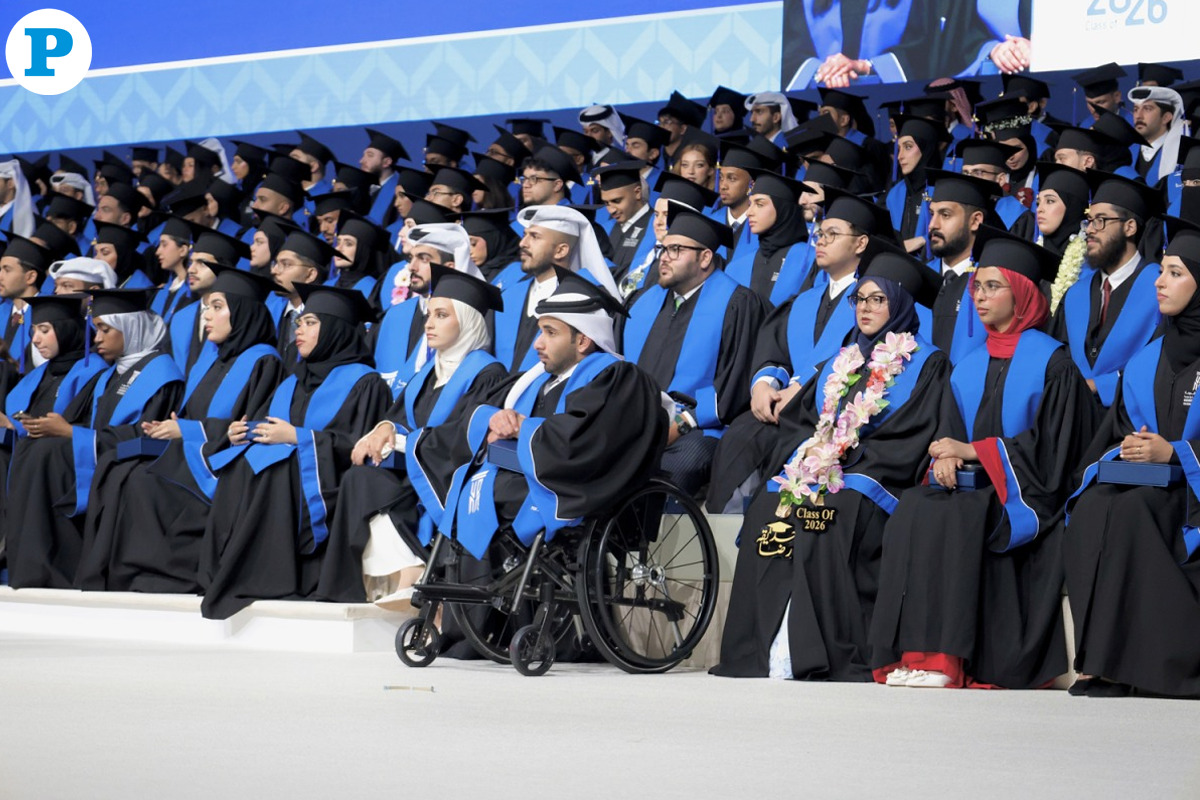
File photo of recently held UDST convocation used for representational purposes. Hana Ramadan/The Peninsula
Doha, Qatar: As universities across Qatar host graduation ceremonies this season, thousands of students are marking the end of years of hard work and the beginning of a new chapter. For the country, however, convocation season represents more than academic achievement and it reflects the outcome of sustained national investment in education, talent development, and human capital.
Yet for many graduates, the question of “what comes next?” can feel uncertain.
According to Head of Career Programs and Services at the Qatar Career Development Center, Mohammed Ali AlYafei there is no single path that defines success after graduation.
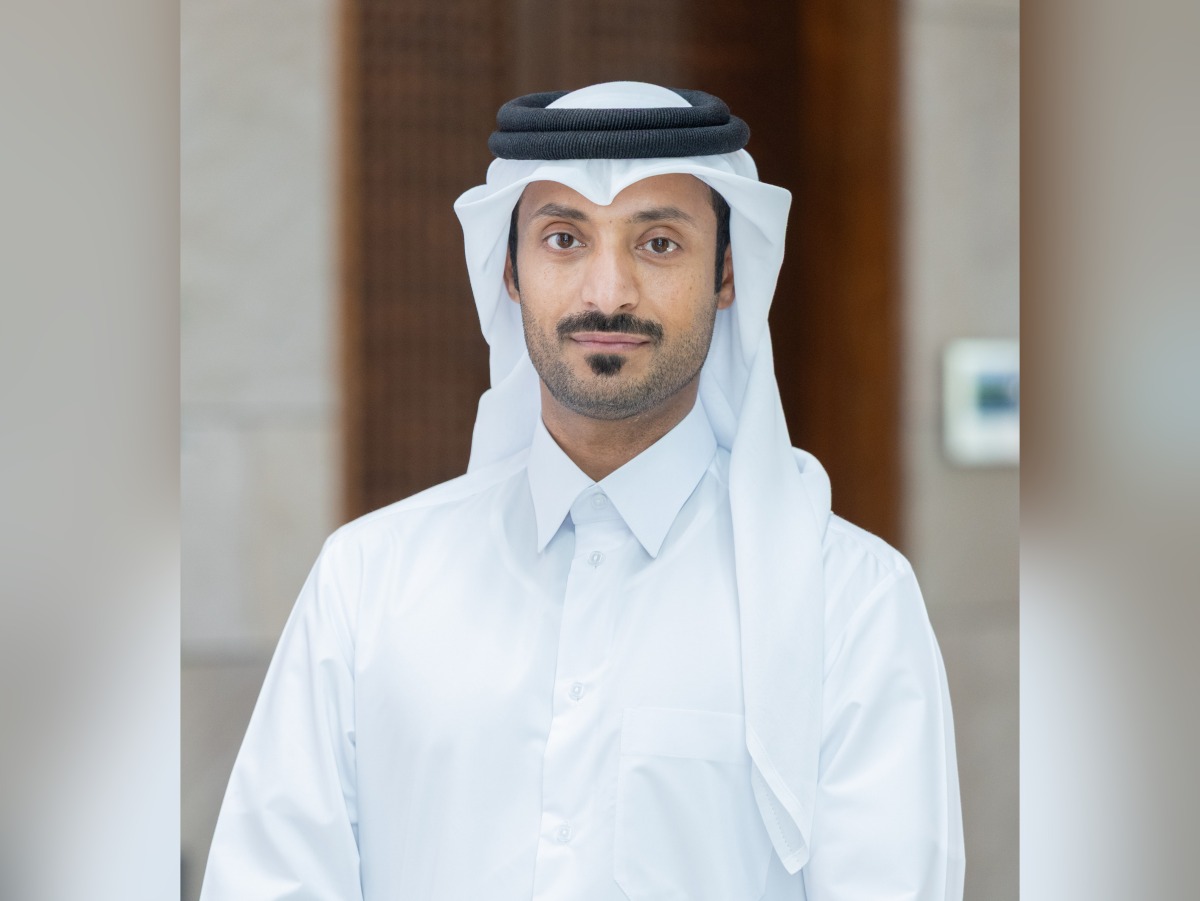 Head of Career Programs and Services at the Qatar Career Development Center, Mohammed Ali AlYafei
“There is no single answer,” AlYafei said. “Some graduates will enter the workforce, while others will pursue postgraduate study. Some will explore, train, volunteer, or test different interests. What matters is not choosing the perfect path immediately, but learning how to take the next step with awareness and purpose,” he told The Peninsula.
He emphasised that while graduation is a moment for celebration, it should also encourage reflection.
“Graduation represents years of effort, discipline, family support, and personal growth,” he said. “But once the ceremonies end, reflection becomes just as important as celebration.”
AlYafei encouraged graduates to look beyond academic results and think about what their university years revealed about their strengths, interests, and aspirations. Identifying the projects, subjects, and experiences that brought fulfillment, he noted, can help guide future decisions more meaningfully.
At the same time, he warned against the pressure many young people feel to immediately secure a job, pursue a master’s degree, or follow the same path as their peers.
“Speed should not be mistaken for direction,” he said. “A thoughtful pause can prevent a poor fit.”
Instead, graduates should carefully consider the type of work they enjoy, the sectors that are expanding in Qatar and globally, and the skills they still need to develop.
AlYafei also highlighted the importance of viewing a university degree as a foundation rather than a limitation.
“One limiting assumption is believing that a degree leads to only one job,” he said. “In reality, most fields open several doors.”
He explained that business graduates, for example, may pursue careers in finance, marketing, entrepreneurship, or project management, while engineering graduates may find opportunities across energy, sustainability, infrastructure, and technology sectors.
“The question is not ‘What job can I get with this degree?’ It is, ‘Where can my knowledge and skills create value?’” he added.
Beyond academic qualifications, AlYafei stressed that practical experience plays a critical role in helping graduates stand out in an increasingly competitive labor market.
“Many graduates enter the labor market with similar academic qualifications,” he said. “What often sets one candidate apart is practical exposure, initiative, and evidence of learning beyond the classroom.”
Internships, volunteering, part-time work, and participation in community initiatives can all help young people develop confidence and gain a clearer understanding of workplace realities, he said. He further pointed to the growing importance of transferable skills such as communication, teamwork, adaptability, time management, and problem-solving. “Technical knowledge may open the door, but transferable skills often determine what happens next,” AlYafei said. He also encouraged graduates to learn how to present themselves effectively to employers.
“A strong CV, interview answer, LinkedIn profile, or personal introduction is not just a list of achievements,” he said. “It is a story about what the graduate has learned, what they can offer, and where they hope to grow.”
While guidance from family, mentors, and peers can be valuable, AlYafei stressed that graduates should ultimately make informed decisions based on their own goals and understanding of the labor market. “Good guidance helps graduates ask better questions, compare options, and make decisions based on reliable information about themselves and the world of work,” he said.
As industries continue to evolve rapidly, he underscored the importance of lifelong learning and continuous skill development.
“The most successful graduates are not those who begin their careers carrying every answer,” AlYafei said, “but those who remain curious, adaptable, and committed to improvement.”
For Qatar, graduation season is both a celebration of achievement and a reminder of the country’s growing investment in future generations. For graduates themselves, AlYafei believes the journey is only beginning.
“Convocation is a proud moment for graduates, families, universities, and the country,” he said. “But the journey does not end with a ceremony. The next step is to turn knowledge into contribution, ambition into action, and opportunity into growth.”