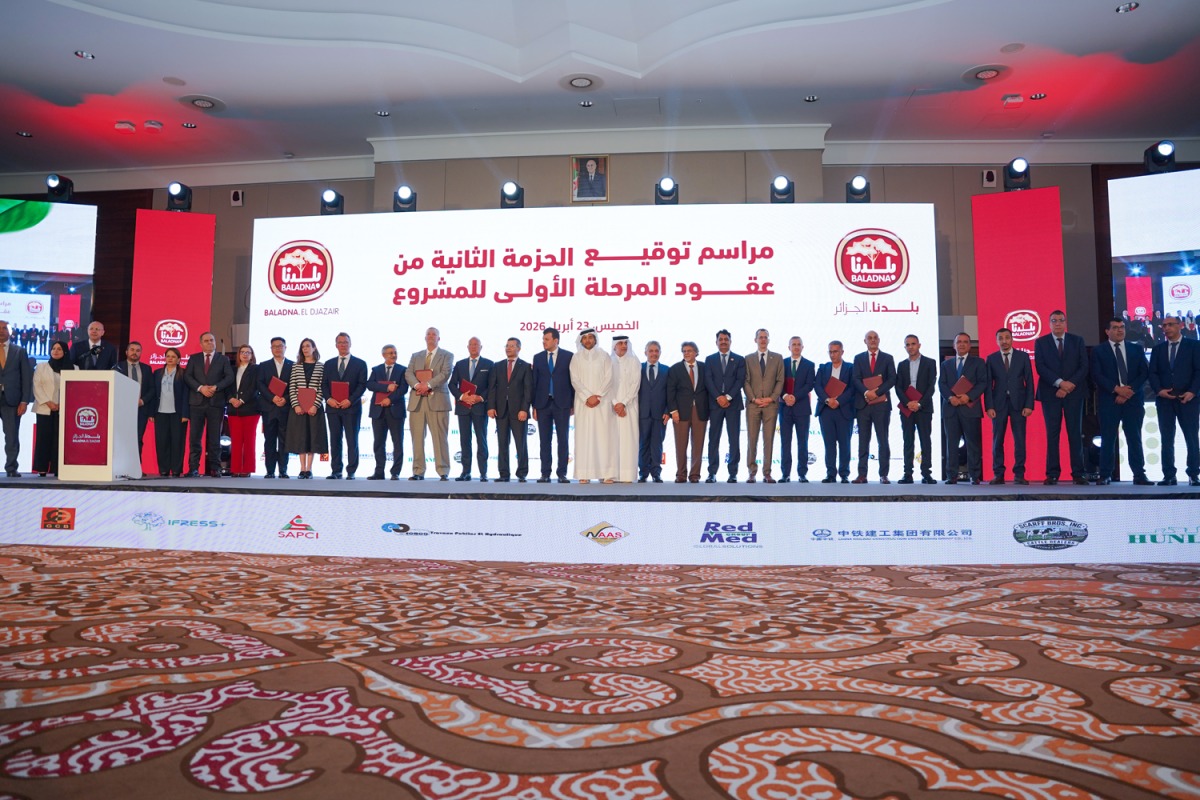
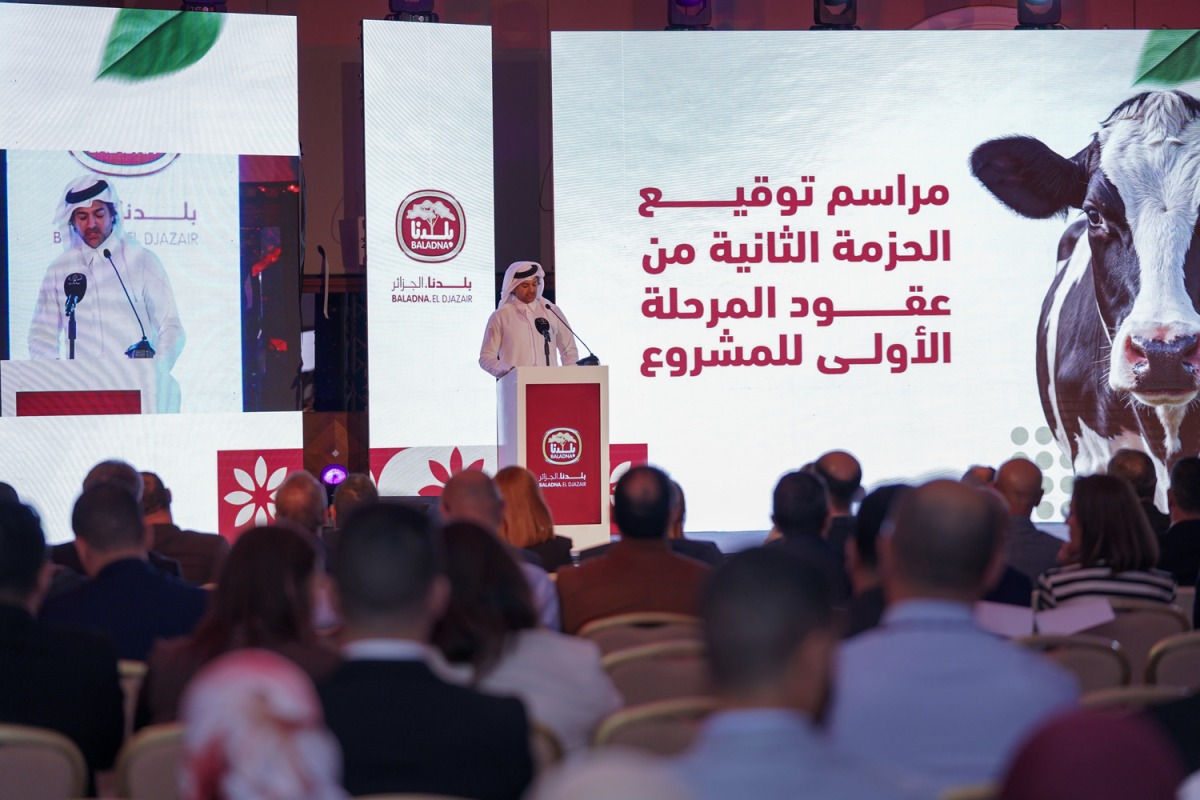
Algeria: Algeria today hosted the official signing of the second phase of the “Baladna Algeria” project. This includes a new set of contracts for the integrated farm project, alongside the launch of an airlift program to import dairy cows from the United States, starting in November 2026. The step reflects continued progress toward local powdered milk production, with total project investment estimated at around $3.5 billion.
The contracts signed under this phase exceed $635 million in value, marking a new stage of execution that moves the project closer to building its herd and establishing real production capacity on the ground.
This follows the first phase of contracts, which exceeded $500 million and covered key foundational elements such as agricultural technology, production lines, irrigation systems, water well drilling, steel structures, as well as engineering, consultancy and project management services. These early agreements helped set up the project’s operational base and complete a number of initial works related to farms, factories, and irrigation networks.
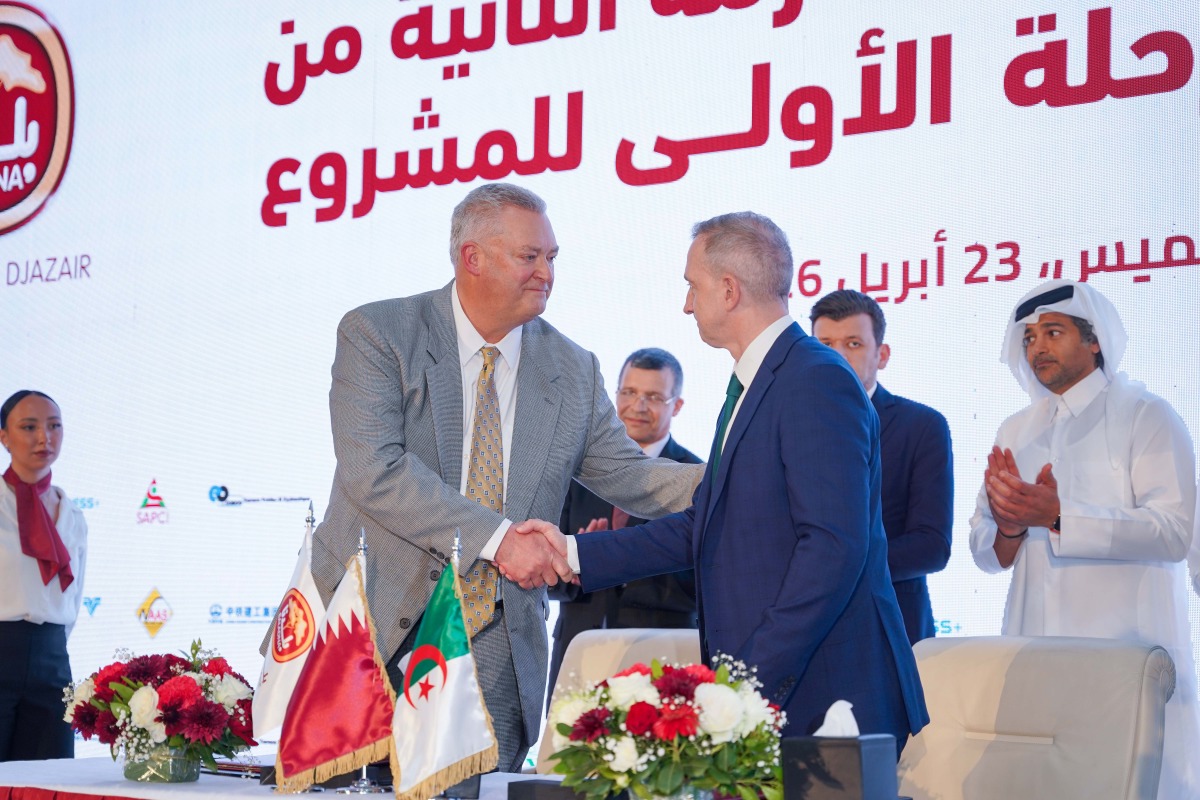
This second phase takes the project a step further, covering civil works, the construction of additional facilities, irrigation systems, earthworks, a concrete plant, as well as residential and support infrastructure. It also includes the launch of the dairy cattle import program, which is a key milestone in the project’s development.
The program will be carried out through regular air shipments over a period of ten months, with the aim of importing 30,000 dairy cows in a gradual and structured way. This will be achieved through 109 flights, with around 300 cows per shipment, equivalent to approximately 10 aircraft per month. The cattle will be sourced from nine different U.S. states (Arizona, New Mexico, Texas, Colorado, Idaho, California, Kansas, Iowa and Indiana) supporting the planned timeline for herd development and enabling a smooth transition into the project’s operational phase.
This phase is also expected to generate a notable economic impact in the United States, with the total value of the procurement and logistics program estimated at between $250 million and $300 million. In addition, it is expected to support the creation of approximately 1,200 direct and indirect full-time jobs in the United States, reflecting the broader economic activity generated across supply chains and associated services.
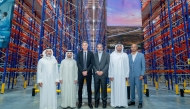
The signing ceremony was attended by the Director General of the Algerian Agency for Investment Promotion (AAPI), Omar Rekkache, the Algerian Minister of Agriculture, Rural Development and Fisheries, Yacine El-Mahdi Oualid, Monder Bouden, Secretary General of the Parliament, as well as representatives from Algeria’s official and national institutions, banks, and companies. Diplomatic representatives included His Excellency the Ambassador of the State of Qatar to Algeria, Abdulaziz Ali Al Naama, the U.S. Chargé d’Affaires, Mark Schapiro. The ceremony was also attended by Salah Labani Representative of Fonds National d’Investissement and Board Member of Baladna, Marek Warzywoda, Group Chief Executive Officer of Baladna Group. Representing Baladna Algeria were Chairman Ali Al-Ali, Managing Director and Board Member Mr. Saifullah Khan, along with representatives from partner companies.
Marek Warzywoda, GCEO of Baladna, oversaw the signing of contracts with representatives of the companies involved in this phase. The agreements included signings with Jos Jansen, Chief Executive Officer of HUNLAND, and Howard Scarff, President of SCARFF BROS., companies that will supply US Holstein Friesian dairy cattle and related services. Also present was Kalle Autto, Regional Vice President of VALMONT, a company specialized in irrigation systems and water management technologies.
Contracts were also signed with CRCEG for civil works. In addition, several leading Algerian companies were engaged, including GCB SPA for dairy farm construction, SAPCI for concrete works, and SARL ECMCO and SARL NAAS LARBI for earthworks. REDMED GROUP and IFRESS will support accommodation and ancillary service facilities, alongside a strategic partnership with URBACON TRADING & CONTRACTING (UCC), a globally recognized leader in the sector.
The Baladna Algeria project is one of the largest of its kind globally, and the first of its kind in Algeria. It spans approximately 117,000 hectares and aims to develop dairy farming and local powdered milk production, in line with Algeria’s efforts to strengthen food security and increase domestic production. Over the long term, the project aims to reach a herd of around 270,000 dairy cows, which could cover up to 50% of Algeria’s powdered milk demand.
The project is set to deliver a significant boost to Algeria’s economy and labor market, supported by strong local contractor participation. Notably, seven of the ten companies involved in this phase are Algerian, underscoring a clear commitment to support Algeria’s national value creation. This will stimulate key sectors—including construction, engineering, and support services—while strengthening supply chains and advancing skills development, technology transfer, and in-country capabilities. The execution phase is also expected to generate more than 15,000 jobs, reinforcing the project’s role in driving economic growth and long-term workforce development in Algeria.
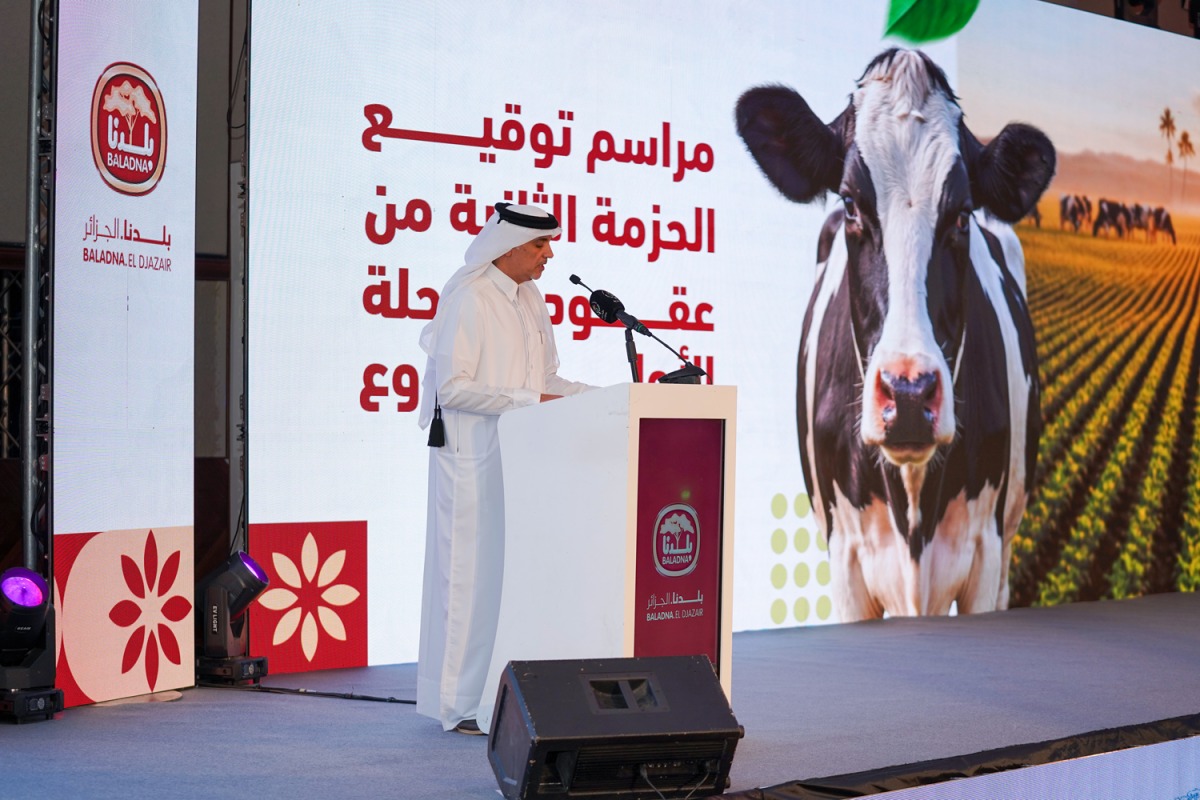
Commenting on this milestone, Moutaz Al Khayyat, Chairman of Baladna, said that progress—aligned with the plan to reach 40% completion by the end of 2026—demonstrates that the project is moving steadily into advanced levels of execution. He highlighted its importance as a strategic investment that supports Algeria’s direction on food security and local production. He added that the project reflects an integrated development model that creates sustainable value for both the economy and society, through production, knowledge transfer, local employment, and the stimulation of agricultural and industrial growth. He also emphasized the importance of partnerships with specialized suppliers in supporting execution and ensuring operational readiness.
Ramez Al Khayyat, President of Baladna, added that the use of air freight at this stage is particularly important, as it shortens transport time, helps maintain the health of the herd, and improves adaptability. It also allows for greater control over veterinary care, strengthening biosecurity and ensuring the herd is ready to be integrated into operations. Despite the higher cost, this approach was chosen for its long-term benefits in maintaining herd stability, health, and milk production efficiency. He noted that this reflects an approach Baladna has used at key moments in its journey, where air freight played a critical role in rapidly building production capacity and supporting food security in Qatar. The Algeria project builds on that experience, applying the same approach in a broader and more structured context to ensure a smooth and efficient transition into operations.