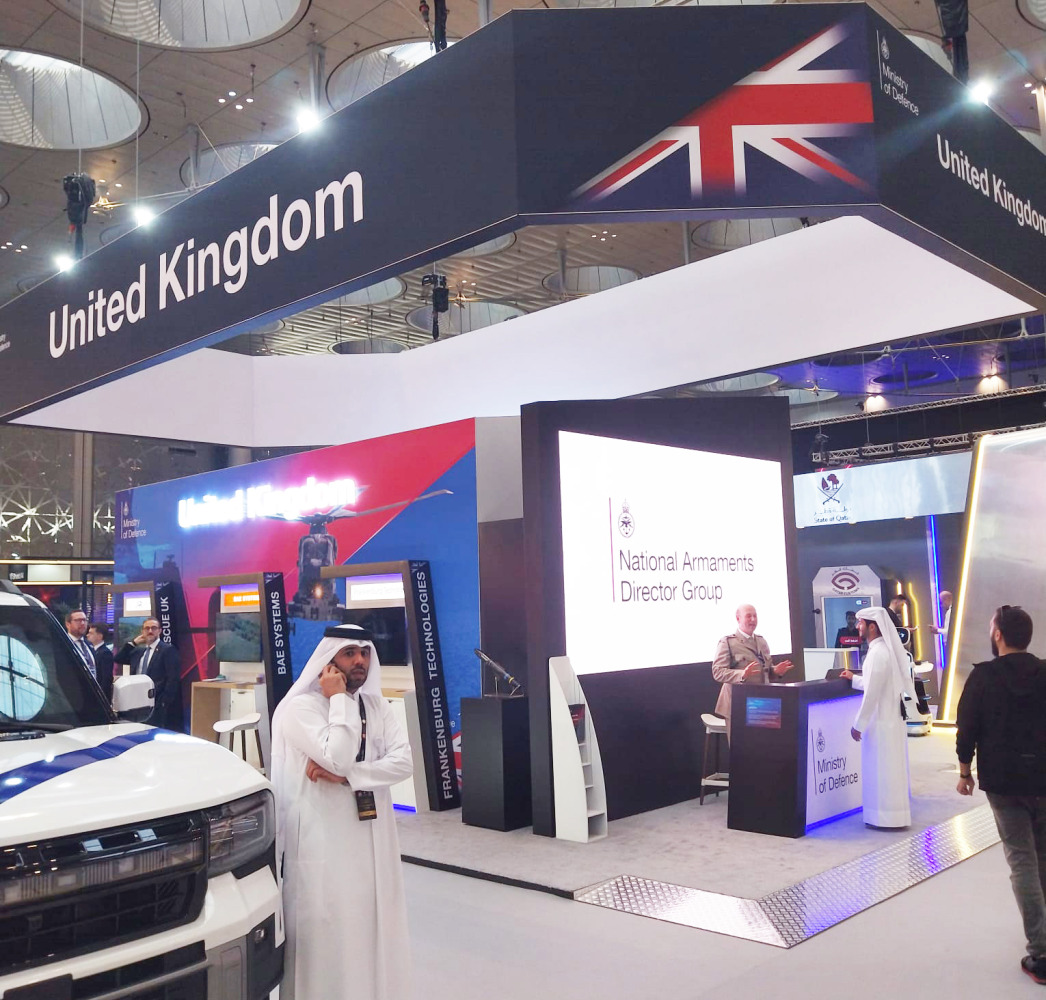
A view of the UK Pavilion at Milipol Qatar 2026.
DOHA: From counter-drone technology to intelligence systems and specialised defence equipment, international exhibitors at Milipol Qatar 2026 are using the Doha exhibition to showcase defence capabilities and strengthen ties with regional partners.
Their participation reflects the different ways countries and companies are seeking to engage with Qatar’s security sector and the wider Gulf market.
The UK Pavilion brought together seven companies specialising in counter-drone technology, digital intelligence and helicopter crew simulation training.
Speaking to The Peninsula, Wing Commander Richard Jones of the British Embassy Doha Defence Section said: “Milipol Qatar offers UK defence and security companies a unique opportunity to engage directly with key decision-makers, showcase world-class British innovation, strengthen UK-Qatar strategic relationships, and access wider Gulf security markets from a single platform.”
The Ministry of Defence UK pavilion gave participating companies a platform to present their technologies to visitors and engage with potential partners in Qatar and the wider Gulf, where defence and security cooperation remains a key part of international industry engagement.
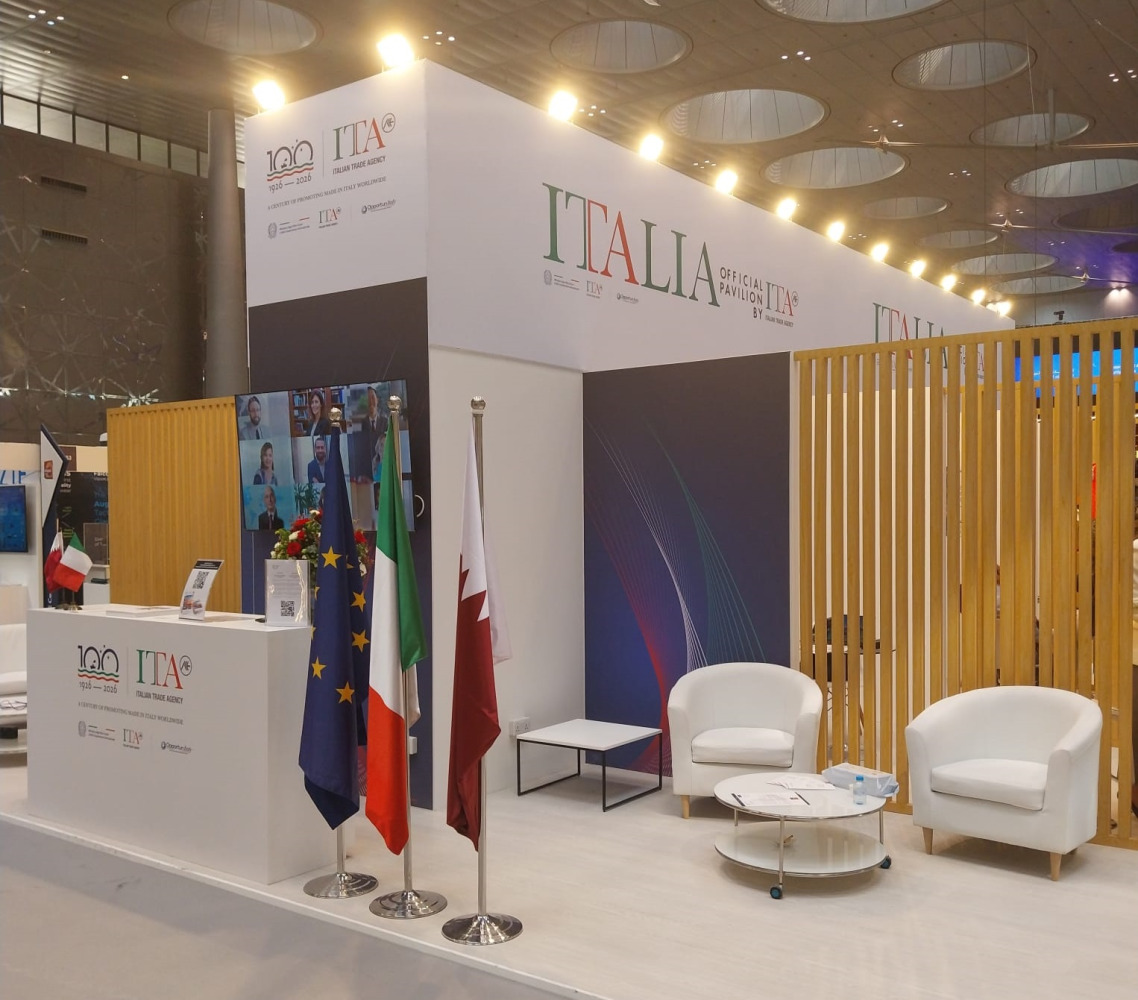
Italy, meanwhile, is emphasising technological cooperation and long-term ties with Qatar. Its pavilion brought eight companies to Milipol Qatar 2026, showcasing technologies spanning counter-drone systems, secure communications, intelligent surveillance, advanced optronics and physical protection.
Andrea Tacchini, Trade Commissioner for Qatar and Bahrain at the Italian Trade Agency’s Doha office, said Qatar’s evolving security requirements were creating opportunities for international cooperation in advanced technology, cybersecurity, critical infrastructure protection and maritime security.
“Italy sees itself not merely as a technology provider, but as a long-term strategic partner,” Tacchini said, highlighting opportunities for joint technological innovation, technology transfer and local capacity building. He said Italian companies could contribute through specialised engineering, training and integrated solutions tailored to Qatar’s security priorities.
Tacchini described Milipol Qatar as a platform that connects international technological innovation with regional requirements in homeland security, law enforcement, and civil protection.
France brought 21 companies to the exhibition, showcasing defence and security capabilities, including counter-drone systems and less-lethal equipment for law enforcement.
Mickael Yagoubi, executive manager representing the French Pavilion, highlighted the importance of bilateral ties, saying: “I believe the partnership between France and Qatar is very important. Qatar has long been a friend and partner of France, and the country has very demanding technical specifications.”
He also pointed to growing demand for infrastructure protection amid ongoing geopolitical conflicts, particularly among military and defence clients.
For Uzbekistan’s Electronic Autonomous Solutions, Milipol Qatar marked its first visit to the country and the exhibition. The company presented technologies designed to counter unmanned aerial vehicles (UAVs).
Its marketing manager, Anaskhonov Khojiakbarkhon, said, “Uzbekistan’s defence industry had developed rapidly over the past five years in response to evolving security threats and lessons from ongoing conflicts”. He said the exhibition had enabled the company to understand Qatar’s market, exchange expertise and explore potential future opportunities.
North American countries , China and the Czech Republic also had a presence at the exhibition. The wider event featured international exhibitors across areas including cybersecurity, surveillance, access control and civil defence, reflecting the breadth of the homeland security sector.
As Milipol Qatar marks 30 years since its establishment in 1996, its role extends beyond displaying equipment. For participating countries and companies, its value goes beyond showcasing technologies; it builds relationships, helps them understand regional requirements, and explores opportunities for cooperation in an evolving security environment.