Doha, Qatar: The holy month of Ramadan represents an opportunity to promote values of moderation, balance, solidarity, and self-discipline. However, the month also witnesses a noticeable rise in consumption levels across several sectors, particularly food, energy, and water. Instead of being a month of moderation and restraint, Ramadan has become for some families a season of excessive spending.
Excessive consumption during Ramadan contradicts the essence of fasting, which is intended to refine self-discipline and strengthen social solidarity. From an environmental perspective, overconsumption aggravates waste management challenges, increases pressure on natural resources, and contributes to a higher carbon footprint, negatively affecting both the environment and society.
In this context, experts have warned of the adverse consequences of rising non-essential spending on household budgets during Ramadan, stressing the importance of adopting behaviors that reflect the true objectives of fasting.
Experts interviewed by Qatar News Agency (QNA) stated that high consumption during Ramadan is no longer limited to food, but has become a comprehensive phenomenon affecting various aspects of daily life, from energy and water consumption to increased purchasing and unplanned spending, creating a striking contrast with the spiritual values that the holy month is meant to reinforce.
In this regard, Chairman of Friends of Environment Center (FEC), Dr. Saif bin Ali Al Hajari, said Ramadan has become for some segments of society a season of intensive consumption rather than a period of reflection and rational use of resources. He stressed that focusing solely on food waste, despite its importance, does not reflect the full scope of the problem.
He noted that consumption in Ramadan doubles in several aspects, with food representing the most visible component of a broader pattern that also includes energy, water, goods and even time. Food waste remains the clearest indicator of escalating consumption during the holy month, with estimates suggesting that food waste ranges between 30 and 50 percent of total food prepared in homes, hotels and restaurants.
Dr. Al Hajari pointed out that the average per capita food waste in Qatar during Ramadan exceeds global averages, stressing that these figures reflect imbalances in consumption culture and food planning, particularly amid the expansion of Ramadan banquets, social gatherings and rising demand for takeaway meals.
The Chairman of FEC also highlighted that energy and water consumption during Ramadan are no less significant than food waste. Homes typically experience higher electricity usage due to increased cooking activities and prolonged operation of household appliances, in addition to rising water consumption associated with food preparation and cleaning.
He explained that this increase often occurs without real awareness of its environmental impact, despite its direct pressure on natural resources and contribution to a higher ecological footprint, stressing that rationalising energy and water use is as important ethically and religiously as reducing food waste.
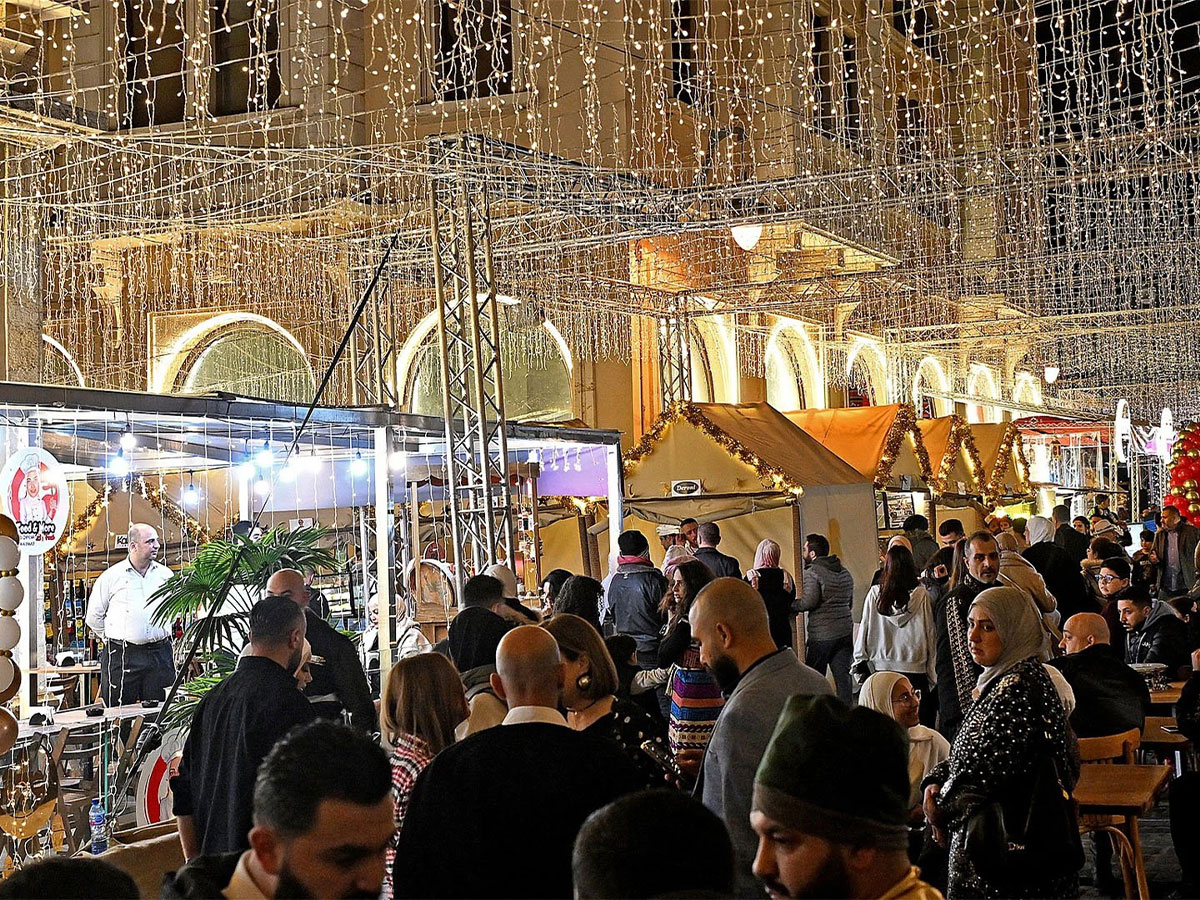
Dr. Al Hajari added that consumption during Ramadan also extends to non-food goods, as shopping malls and markets witness growing consumer demand driven by promotional campaigns and seasonal purchasing associated with the holy month. This spending pattern reflects a seasonal consumer culture based not on actual need but on social and psychological motivations, warning of its economic impact on families, especially amid rising financial obligations during and after Ramadan.
In a less discussed dimension, Dr. Al Hajari pointed out that wasting time is another form of irrational consumption during Ramadan, where excessive focus on preparation and consumption activities may overshadow the spiritual essence of the month, which is based on worship, reflection and social solidarity.
Regarding the root causes of rising consumption patterns, he attributed them to the persistence of social customs linking abundance with social status, weak planning at the household level, commercial advertising influences during Ramadan, and limited awareness of long-term environmental and economic impacts.
Dr. Saif bin Ali Al Hajari affirmed that Qatar is making continuous efforts to promote responsible consumption through the National Food Security Strategy, waste reduction programs, and environmental and community initiatives aimed at strengthening sustainability concepts. He noted that charitable initiatives, smart applications and partnerships with the private sector provide practical models for managing consumption surplus, though their success ultimately depends on changing individual behavior.
He called for redefining the relationship with consumption during Ramadan, stressing that moderation does not mean limiting generosity but directing it in the right way. He emphasised that Ramadan is an opportunity to practice awareness rather than multiply consumption, and every resource we preserve today is a right for future generations.
He also stated that building a sustainable society begins with simple daily decisions related to what we buy, consume and waste, stressing that the true spirit of Ramadan lies in balance rather than excess.
For his part, Professor of Finance at the School of Business at Al al-Bayt University in Jordan, Omar Khalif Gharaibeh, pointed out in remarks to QNA that Ramadan has become a unique seasonal consumption phenomenon in Muslim societies, with effects extending to essential resources such as water and energy, as well as consumer behavior regarding goods and services.
Field estimates indicate that demand for food products may increase by 50 to 100 percent in some markets during Ramadan, accompanied by a noticeable rise in food waste.
He also cited estimates by the Food and Agriculture Organisation stating that about 1.3 billion tons of food are wasted annually, adding that Ramadan represents a seasonal example of the global challenge of food loss. He noted the transformation of the holy month in some cases into a consumption-driven season influenced by social customs, advertising, and marketing campaigns.
Shopping has become an end, with spending increasing before iftar due to hunger and psychological stimulation. This psychological and social shift reflects a fundamental paradox: fasting is meant to regulate desires, yet in practice it is often accompanied by excessive consumption and waste, placing pressure on household and economic resources.
Excessive consumption is not only linked to economic aspects but also to environmental challenges, including water and energy depletion, increased organic waste, and higher carbon emissions. Health experts also warn that overindulgence in sweets and fatty foods and poor sleep regulation can harm individual health, reflecting how resource mismanagement extends from society to the human body itself.
Gharaibeh highlighted that Ramadan should be a comprehensive test of self-management and resource governance at both individual and societal levels, linking spiritual values with practical responsibility. He stressed that Ramadan should not become a season of luxury food or social competition but rather an opportunity to promote moderation and discipline in personal and public resources.
He called for community-wide engagement in sustainable behavior to reduce waste and support food security, noting that solutions should not be limited to individuals but should also involve public policies that encourage rational consumption, reuse practices and food donation.
Addressing excessive consumption during Ramadan requires dual awareness, religious awareness that restores the true meaning of fasting based on moderation, and economic and environmental awareness that recognises the impact of individual behavior on resource sustainability.
Balancing the spiritual dimension with environmental responsibility is the pathway to making Ramadan a month of true worship and sustainable development at the same time.