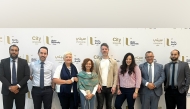
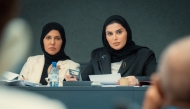
Berlin: The Arab Cultural House “Al Diwan” of the Embassy of the State of Qatar in Germany held a panel discussion on tales from a tumultuous world on the sidelines of the 76th Berlin International Film Festival.
Moderated by director Samir Nasr, coordinator of the film programme at “Al Diwan”, the panel hosted three Arab creatives participating in this festival, namely the Lebanese director Rania Rafei, the Egyptian director Mohamed Hammad, and the Palestinian director Abdallah Al Khatib.
Deliberations were laser-focused on the role of current global shifts in altering the old-fashioned narratives of individuals and communities, as well as exploring and addressing this shift through staging novel and cinematic shows.
The filmmakers likewise debated the avalanche of challenges they have encountered throughout various stages of film production and the entanglements associated with the content of the novel, especially when it addresses issues such as self-censorship, clashing freedoms, and prioritizing human principles.
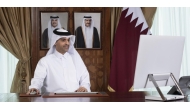
In his opening remarks before the panel, Ambassador of Qatar to Germany and Chair of Al Diwan’s Board of Trustees, H E Abdalla bin Ibrahim Al Hamar, stressed the criticality of cinematic products as one of the most influential soft powers by far. He noted the role of cinematic works in safeguarding memory of the nations, as well as the role of its industry in defending humanitarian principles.
The ambassador pointed to the positive impact those Qatari cultural and artistic institutions can make, including the Doha Film Institute (DFI), suggesting that the role of these institutions goes beyond mere funding to encompass broader and far more significant horizons, foremost of which is to accentuate the capability of innovation and Arab arts in competing and leveraging the Arab creative product as a tool for dialogue and forging people-to-people connections.