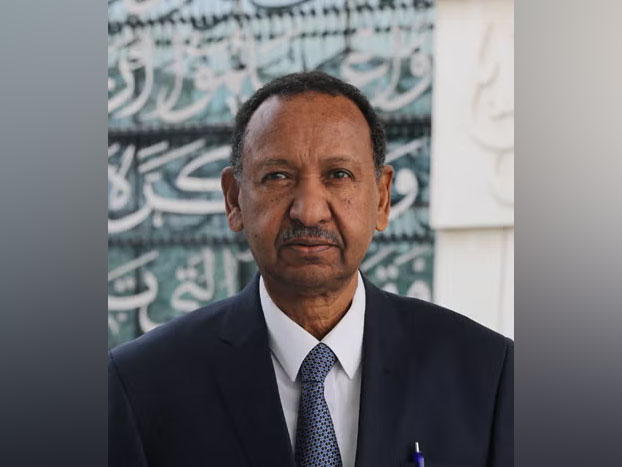
Dr. Mustafa Osman Ismail Elamin, Program Director and Professor of Islam and Global Affairs at HBKU’s College of Islamic Studies and former Foreign Minister of Sudan
Doha, Qatar: Qatar continues to reinforce its role in advancing humanitarian action and refugee protection through dialogue, cooperation, and diplomacy, a senior academician said yesterday, underscoring Qatar's growing contribution to humanitarian and mediation efforts.
Dr. Mustafa Osman Ismail Elamin, Program Director and Professor of Islam and Global Affairs at HBKU’s College of Islamic Studies and former Foreign Minister of Sudan, stressed that government entities should strengthen collaboration across the refugee sector during an event, ‘Together for Refugees’.
“First of all, it brings together those who are working in the field of refugees, helping maintain cooperation and coordination,” he told The Peninsula. “Secondly, by bringing together experts, the discussions can generate proposals that may be useful for the United Nations and humanitarian organisations working with refugees.”
Dr. Elamin said the event also carried an important message of solidarity for displaced people worldwide. “It sends a signal to refugees that we understand what they are feeling and that we are working to reduce and mitigate their suffering,” he said. “We are also trying to transform refugees from people living in a state of waiting into productive members of society.”
He noted that discussions focused on equipping refugees with education, vocational training, and economic opportunities during displacement, enabling them to contribute both to their own well-being and to host communities.
“Instead of simply waiting to return home, refugees should have opportunities to develop their skills and contribute economically and socially. They can bring valuable experience to the communities that receive them,” Dr. Elamin said.
Drawing on Sudan’s experience as both a host country and a source of refugees,the professor said countries can learn from one another in addressing displacement through coordinated international action.
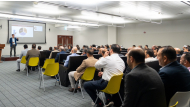
The event was hosted by Qatar Fund for Development (QFFD), in collaboration with the United Nations High Commissioner for Refugees (UNHCR) and Hamad Bin Khalifa University’s (HBKU) College of Islamic Studies to mark World Refugee Day 2026.
It brought together humanitarian organisations, academics, students and members of the public to promote dialogue, creativity and community engagement in support of displaced communities.
The professor also highlighted Qatar’s growing role in humanitarian diplomacy, describing the country as a regional leader in mediation and humanitarian assistance.
“Qatar’s foreign policy is based on peaceful diplomacy and mediation, but it goes beyond that,” he said. “The country has established specialised humanitarian organisations that support refugees and displaced people. Qatar can serve as a model by sharing proposals and experiences with those working in the refugee field.”
Dr. Elamin emphasised that this year’s observance coincided with the beginning of the new Hijri year, adding a spiritual dimension to the event. “The Hijra was a journey of faith, protection, solidarity, community building and hope,” he said. “Its message closely reflects that of World Refugee Day, reminding us that people forced to leave their homes deserve compassion, safety, dignity and the opportunity to build a better future.”
He described World Refugee Day as a time to remember millions of people displaced by conflict, violence, persecution and hardship, while honouring their resilience and renewing global responsibility toward their protection and inclusion.
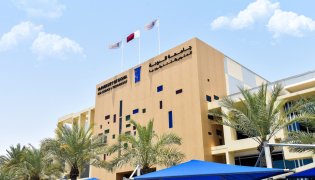
Held at Minaretein in Education City, it featured inspiring stories of resilience, interactive activities for all ages, and panel discussions aimed at fostering greater understanding of refugee issues while encouraging humanitarian action and social inclusion. During the panel session, industry leaders called for stronger cooperation among governments, humanitarian entities, academic institutions, and local communities to support refugees and vulnerable populations.
They also expressed appreciation to partners, volunteers, and participants for contributing to an event aimed at promoting dialogue, understanding, and lasting humanitarian action.