Years of Culture Advisor on Latin American Affairs, Mohammed Al Kuwari
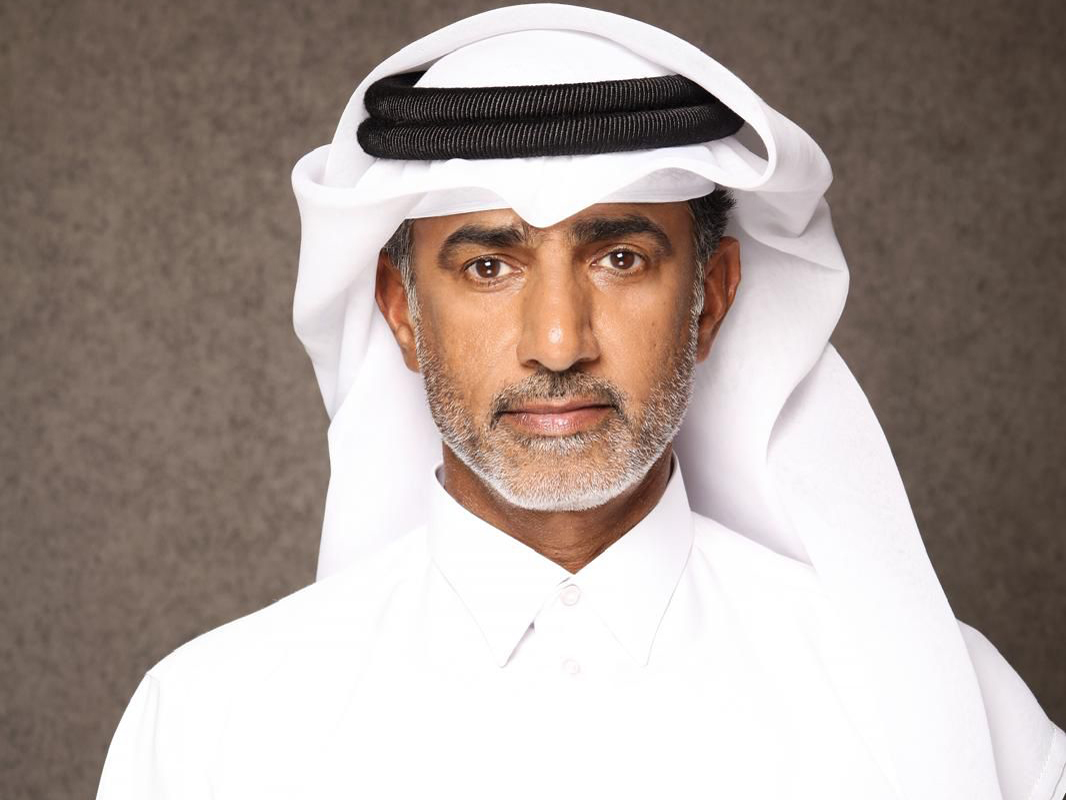
Doha, Qatar: Qatar’s 2026 Year of Culture (YoC) with Canada and Mexico is emerging as a dynamic platform for international cultural diplomacy, fostering long-term partnerships and people-to-people connections, according to Years of Culture Advisor on Latin American Affairs, Mohammed Al Kuwari.
Speaking to The Peninsula, Al Kuwari highlighted that the selection of Canada and Mexico as partners reflects a strategic alignment with global events, notably the upcoming FIFA World Cup 2026, which will be co-hosted by the two nations alongside the United States, Qatar’s partner in 2021.
The shared connection builds on the legacy of the FIFA World Cup Qatar 2022, reinforcing dialogue around hospitality, cultural exchange, and the unifying power of sport.
“Bringing Canada and Mexico into one edition creates a broader, more dynamic programme,” Al Kuwari, who is also Qatar’s former Ambassador to Mexico, noted.
“Each country offers distinct cultural identities and creative perspectives, allowing for a richer exchange while also identifying common ground.”
Four months into the programme, one of the standout initiatives has been the Qatar International Food Festival 2026, which marked the first major public celebration of the partnership. The festival featured leading chefs from Canada and Mexico alongside their Qatari counterparts, offering visitors a unique culinary experience that blended tradition with modern innovation. With over 490,000 attendees, it became the most visited edition in the festival’s history.
Al Kuwari emphasised that such initiatives exemplify Qatar’s broader cultural diplomacy strategy, which prioritises human connection alongside traditional political and economic engagement.
“Strong international relationships are not built solely through formal agreements,” he said. “They are shaped through shared experiences—through art, education, food, and community interaction.”
The Year of Culture initiative, he explained, is designed to create lasting relationships that extend beyond the programme year. These may take the form of institutional collaborations between museums, universities, and creative organisations, as well as ongoing exchanges in education, tourism, and business sectors.
“With Canada and Mexico, there is significant potential in areas such as innovation, design, sustainability, and the creative industries,” he added.
“The real measure of success will be how these relationships continue to evolve in the years ahead.”
Central to the initiative is its focus on direct engagement between people. Through artist residencies, educational programmes, and community-based activities, the programme enables participants to collaborate, learn, and build meaningful connections.
“People-to-people engagement is at the heart of the model,” Al Kuwari said.
“Residencies allow creatives to work closely together, while educational exchanges connect students and researchers. Community events bring families and the wider public into the experience.”
He pointed to public festivals and collaborative programmes as key spaces where these interactions occur organically. “Sometimes the most important outcomes are simple, conversations, shared experiences, and new perspectives that shape how people understand one another,” he said.
In a global context marked by geopolitical uncertainty, Al Kuwari underscored the importance of cultural exchange as a tool for fostering understanding and bridging divides.
“Culture allows people to connect on a human level, even in challenging times,” he noted. “It creates spaces where curiosity replaces assumption and dialogue replaces division.”
He added that initiatives like the Year of Culture demonstrate that cultural diplomacy is not merely symbolic but foundational to long-term cooperation. “Building understanding between societies is essential for stability. It is not a secondary outcome, it is a strategic priority.”
Looking ahead, Al Kuwari stressed that the Qatar-Canada-Mexico partnership serves as a powerful example of how cultural engagement can transcend geographic and political boundaries. By bringing together nations with diverse histories and perspectives, the programme highlights the value of openness, respect, and collaboration.
“Culture has a unique ability to keep doors open,” he said. “It builds empathy and resilience by creating relationships that are personal and enduring. This partnership shows that meaningful cooperation does not require uniformity, it requires a willingness to engage.”
As the 2026 Year of Culture continues to unfold, it stands as a testament to Qatar’s commitment to fostering global dialogue through culture, reinforcing its role as a bridge between regions and communities worldwide.