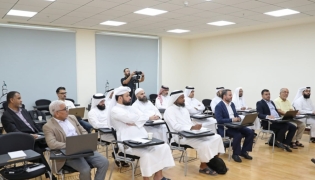
Qatar's vibrant culture and tradition are drawing much attention from expatriates who are keen to learn more about the country. The eagerness to know about Qatari heritage is increasing with more expats and visitors coming forward to immerse in a local context, according to an expert.
“People are curious to know about various aspects of our society. There are various ‘why’ aspects of traditions they want answered,” said Amal Al Shamarri, Chairman and Founder of Embrace Doha, a Qatari organisation working to spread awareness on the traditions, culture and heritage of the country
“Our main focus groups are expatriates in the country. We are trying to build a bridge between Qatari and the expat community and also the visitors. We try to raise awareness about the society and help them understand the Qatari culture and lifestyle. Many are coming forward and adopting different aspects of the culture,” she told The Peninsula.
Embrace Doha is the Qatar’s first ever cultural consultancy firm, with its services masterfully combining cultural tourism, education and entertainment. Participants of various sessions and tours are given a rare glimpse into the richness and vibrancy of the Qatari culture.
For many, Qatari culture is the same as Islamic traditions, though there is much difference, according to her.
“For example, Abayah is something very new to the culture. In old photographs, rarely do you see women wearing abayahs, they just wore modest clothing,” Al Shamarri said.
Living in the desert, ladies found it difficult to wear bright and new dresses for various occasions. So to keep them clean and dust-free women used a kind of cover when they went out.
“Abayas are the latest version of these overcoats and it is now a cultural thing . We do have more colours and designs in abayas now,” she said.
“As for the traditional thoub, when Japan entered into pearling industry, Arabs went bankrupt to the extent that they had to take down the sails of the dhows and use it to stitch garments, which was an earlier version of thoub. Many went a step further and dyed them in coffee so that they did not have to worry about the dresses getting soiled,” she said.
Different groups from various communities are turning up for the tours, including families, companies and also social media groups. Various sessions organised by the firm include traditional food tour, a time travel tour to see Qatari history and culture, Dhow tour, Qatari culture sessions and business etiquette workshops, among others.
“There is an increasing demand for our sessions. For each audience, the reasons are different. There are expats who want to learn about socialising or to get a glimpse of the Qatari life. Then there are businessmen who are keen to learn about the Arab business etiquette to deal with the Qataris. Also, we have tourists who have very few hours to know about the culture. All are given specialised tours to help them understand the country at its best,” Al Shamarri said.
Though much marketing on the initiative has not been done, the fruitfulness of the programmes offered has brought in more participants.
“The word of mouth has helped much for the popularity of the initiative. We do not circulate pamphlets or books on the traditions, instead, we give the real experience of Qatari household and society. This is the main attraction for our visitors and having more people is encouraging,” she said.