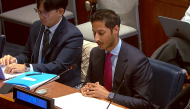
Amal Amélia Lakrafi, Member of the French National Assembly
Doha, Qatar: Protecting civilians affected by conflict, preventing wars from spreading across borders, and safeguarding the critical infrastructure that underpins daily life must form the core of international security cooperation, a senior French parliamentarian has said.
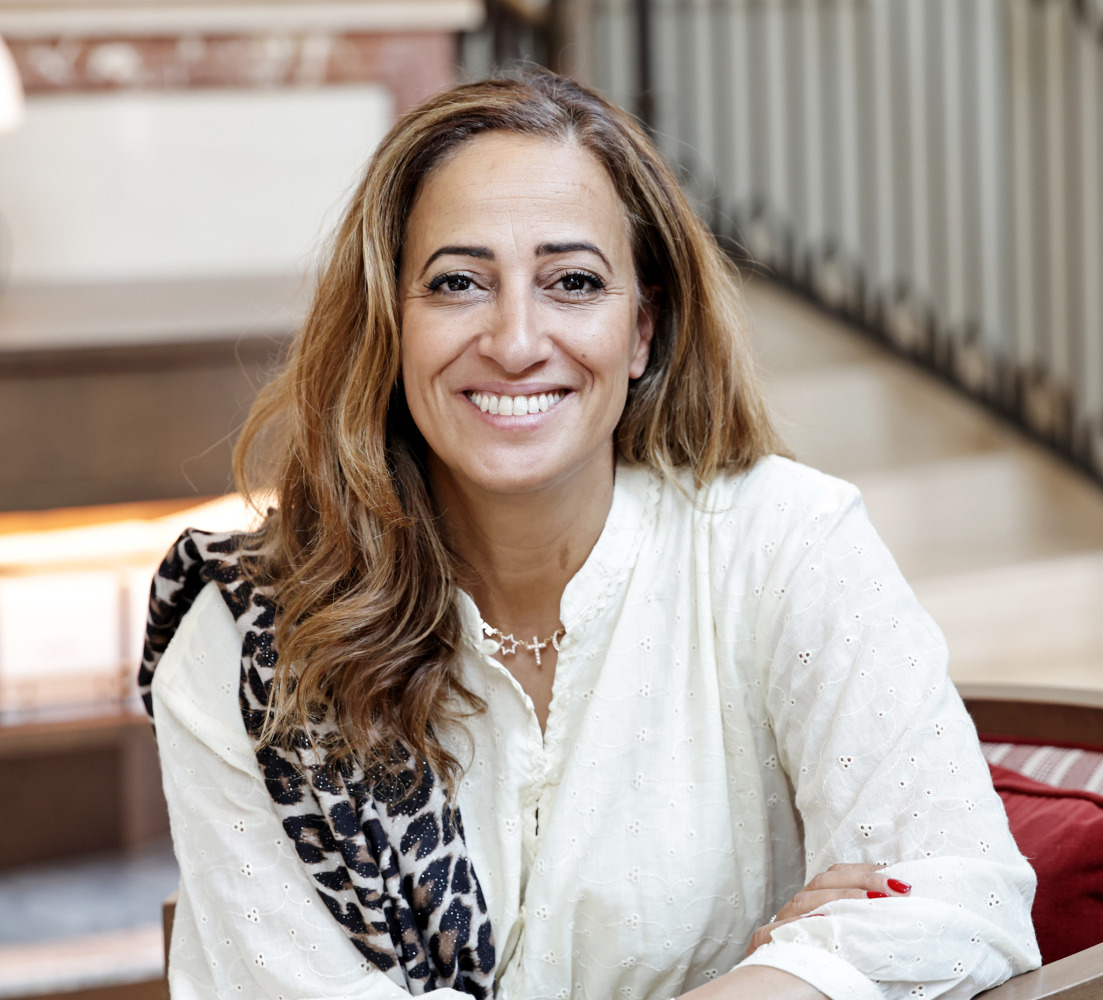
Speaking to The Peninsula yesterday, Amal Amélia Lakrafi, Member of the French National Assembly, representing French citizens living abroad in the 10th constituency (Africa and the Middle East), and Parliamentary Secretary General of the Parliamentary Assembly of La Francophonie (APF), outlined a practical agenda linking European, Middle Eastern and African security challenges.
She stressed that while the situations differ, their consequences, for energy supplies, trade routes and livelihoods, cross national boundaries and demand coordinated responses.
“I see three priorities: protecting people affected by war, preventing conflicts from spreading, and safeguarding the infrastructure our daily lives depend on,” Lakrafi said.
Cooperation, she added, must combine defence, diplomacy and institutional support. “France and Qatar have already demonstrated this approach through their joint backing of a defensive multinational initiative to protect freedom of navigation in the Strait of Hormuz, an effort grounded in clear objectives and respect for international law.”
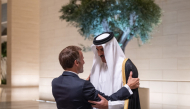
Turning to bilateral ties, Lakrafi described the France-Qatar relationship as strong and multi-dimensional, encompassing diplomacy, defence, economic partnership and people-to-people links. President Emmanuel Macron’s state visit this week, she noted, underlines the partnership’s importance.
In 2024 Qatar committed to investing €10bn in France by 2030, with a focus on innovation and the energy transition. Security cooperation dates back more than two decades through collaboration between the French Gendarmerie and Qatar’s Lekhwiya force.
The next phase, she argued, is to convert these commitments into tangible results, jobs, training programmes, innovation projects and stronger protection of critical infrastructure. “Education, culture and the French language remain essential pillars that sustain the relationship long after official visits conclude.”
She said that France recognises Qatar’s distinctive contribution to mediation, particularly its ability to keep channels of communication open when official relations have broken down. “Such channels have enabled humanitarian progress and created space for negotiation."
“The two countries worked together on the delivery of medicines to hostages in Gaza in January 2024, and the Doha process between Congolese authorities and the AFC/M23 remains an important diplomatic track in Africa.”
“Mediation, however, must be judged by what follows,” she noted. “Are commitments respected? Are civilians better protected? Is humanitarian aid reaching those who need it?” Lakrafi asked.
Supporting implementation alongside African partners and international organisations is an area where France and Qatar can usefully deepen their cooperation. On engagement with African countries, she insisted that priorities must be defined by African partners themselves, with full respect for sovereignty and local expertise.
“Practical priorities include better understanding of terrorist and organised-crime networks, disrupting their financing, and strengthening justice, security and cybersecurity institutions. Protecting essential services and expanding opportunities for young people are equally vital.” Military responses may sometimes be necessary, she said, but they cannot alone deliver lasting security.
She said France and Qatar bring complementary strengths and should coordinate their efforts around needs identified by African partners while regularly assessing results.
As the elected representative of French citizens abroad, Lakrafi prioritises ensuring that nationals in Qatar know where to turn for practical support, especially during periods of heightened insecurity.
“This covers crisis information, schooling, administrative procedures, and family or employment difficulties.” She works closely with the French embassy, consular services and elected representatives, and raises systemic issues in the National Assembly so that individual experiences can drive policy improvements.
Drawing on her professional background in cybersecurity, Lakrafi emphasised that effective protection depends as much on organisation and training as on technology. “Priorities include defending essential infrastructure, improving the sharing of threat intelligence, and maintaining clear human accountability for sensitive decisions. Shared standards are needed for military applications of artificial intelligence, safeguards against abusive digital surveillance, and stronger verification mechanisms to counter disinformation while preserving freedom of expression.”
“Gulf and African partners must be involved from the outset,” she said, adding that parliamentarians have a duty to scrutinise the use of these technologies.
Lakrafi called for a limited number of clearly defined projects: a joint cyber crisis-management exercise, professional exchanges on critical-infrastructure protection, and training programmes developed with interested African partners.
Each initiative, she stressed, requires designated leads, a timetable and regular progress reviews.