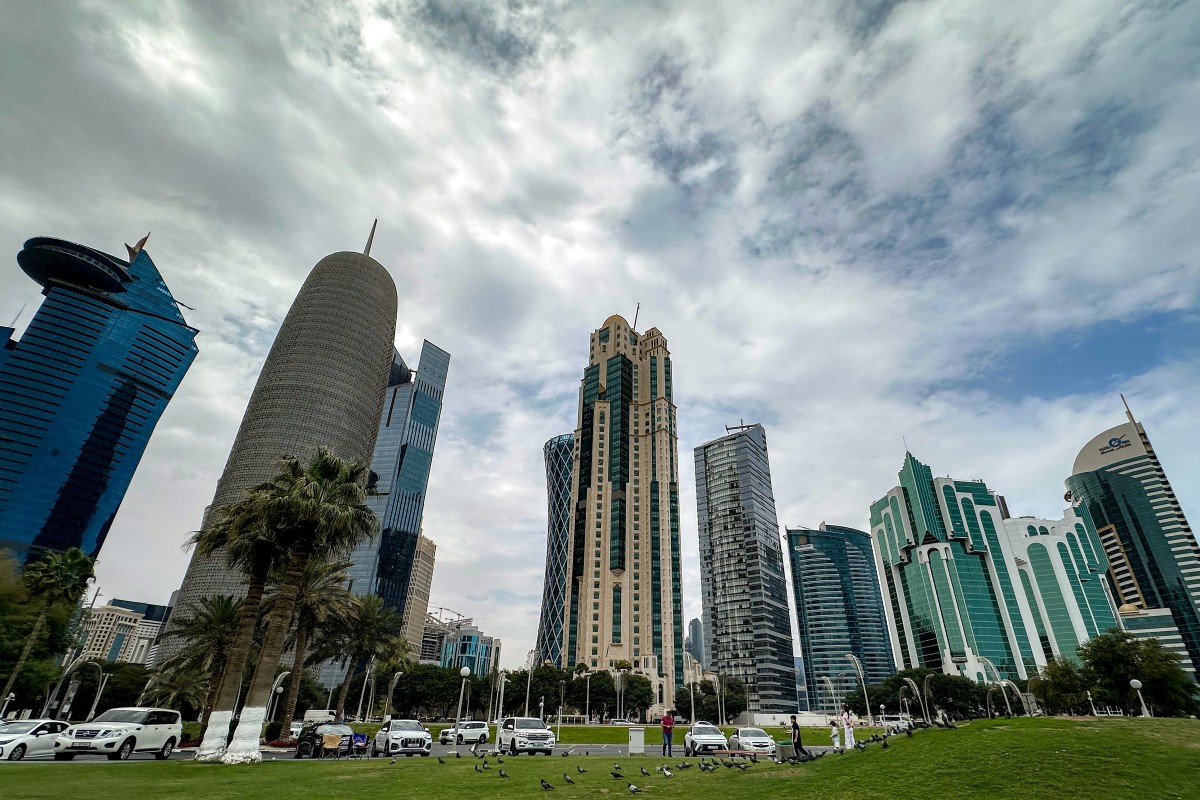
File photo
Doha: Qatar has emerged as one of the standout performers in the Gulf region, attracting a significant jump in foreign direct investment (FDI) last year, according to the United Nations Conference on Trade and Development’s (UNCTAD) World Investment Report 2026.
The report, titled International Investment in a Turbulent Era, highlights Qatar’s inbound FDI soaring from $460m in 2024 to approximately $3bn in 2025, underscoring the country’s resilience and appeal to international investors despite a complex global landscape.
This remarkable growth aligns with Qatar’s broader economic diversification efforts under the Third National Development Strategy and Qatar National Vision 2030.
The influx supported key sectors including chemicals, energy, and information technology, areas that are central to building a knowledge-based economy.
Complementary data from Invest Qatar’s 2025 Annual Report further details the momentum.
The country drew $3.4bn in FDI capital expenditure across 373 projects, a 52 percent increase from 245 projects the previous year, generating over 15,000 new jobs. UAE investors led the pack with $814m across 73 projects, followed by the United States ($587m in 53 projects) and the United Kingdom ($222m in 37 projects). Together with Saudi Arabia, Gulf Cooperation Council (GCC) partners accounted for a substantial portion of inflows, reflecting strong intra-regional confidence. More than half of the investments targeted greenfield projects, with nearly half classified as medium- to high-tech, signalling a shift toward innovation-driven opportunities.
The UNCTAD report places Qatar’s performance within a broader context of fragile global recovery. Worldwide FDI rose 6 percent to $1.6tn in 2025, ending two years of decline. However, the uptick remains narrow and uneven, heavily concentrated in developed economies (which saw an 11 percent increase) and a handful of mega projects, particularly in AI-related digital infrastructure. Developing economies recorded only modest two percent growth, reaching $901bn, with the top 20 host economies capturing over 80 percent of global flows.
In West Asia, including the Gulf, FDI dynamics proved more positive. The region benefited from its strategic position as a corridor between Asia, Europe, and Africa. Qatar’s inflows contributed to this regional strength, even as UNCTAD cautions that ongoing geopolitical tensions, notably conflicts in the wider area, could pose downside risks for future implementation of projects in energy, transport, and logistics.
Qatar’s stock of inward FDI also showed steady progress, rising to around $30.6bn by the end of 2025, according to annex tables in the report. Outward FDI from Qatar similarly expanded, reaching approximately $3.3bn in flows, reflecting the growing international footprint of Qatari entities.