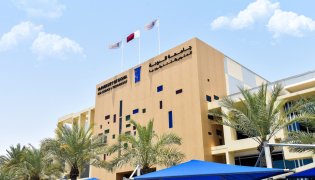
File photo of PHCC
Doha: The Primary Health Care Corporation (PHCC) announced it would provide physiotherapy services at 15 health centers across the country’s northern, central, and western regions through a specialised team of around 69 physiotherapists, bringing the service closer to patients.
In a press release on Monday, PHCC said it distributed the service based on the needs of residents across different areas.
Patients referred from health centres without physiotherapy clinics are directed to another center within the same region or to the first available appointment, in line with established procedures.
Head of Physiotherapy Services at PHCC, Dr. Thajba Mubarak Al Bader, stated that physiotherapy clinics operate throughout the week during both morning and evening shifts, according to each health center’s schedule, providing greater flexibility for patients.
The service is also available on Saturdays. Saturday clinics operate from 7am to 2pm at Abu Bakr Al Siddiq, Gharafat Al Rayyan, Leabaib, Muaither, and Rawdat Al Khail health centers.
Separate clinics are available for male and female patients to ensure easier access and continuity of treatment.
Dr. Al Bader noted demand for Saturday physiotherapy services increased significantly last year. A total of 4,704 appointment slots were available, while 4,893 appointments were booked, equivalent to 104 percent of available capacity.
The clinics recorded 3,218 visits, benefiting 2,620 patients, highlighting the importance of providing physiotherapy services outside regular working days.
She explained that physiotherapy services at PHCC primarily focus on musculoskeletal conditions affecting patients aged 14 and above, including back, neck, and limb pain, ligament and tendon injuries, joint conditions such as shoulder, knee, and ankle problems, as well as rehabilitation following fractures or major surgery after the required recovery period. The service also supports patients with conditions affecting mobility and functional ability.
Dr. Al Bader added that, as part of its commitment to developing national talent and strengthening partnerships with local academic institutions, PHCC will recruit Qatar University physiotherapy graduates based on service requirements.
She noted that the corporation also provides practical training opportunities for physiotherapy students from Qatar University at its clinics under the supervision of experienced specialists, helping align academic outcomes with the needs of the healthcare sector and supporting the continued development of physiotherapy services.