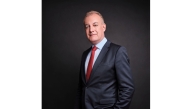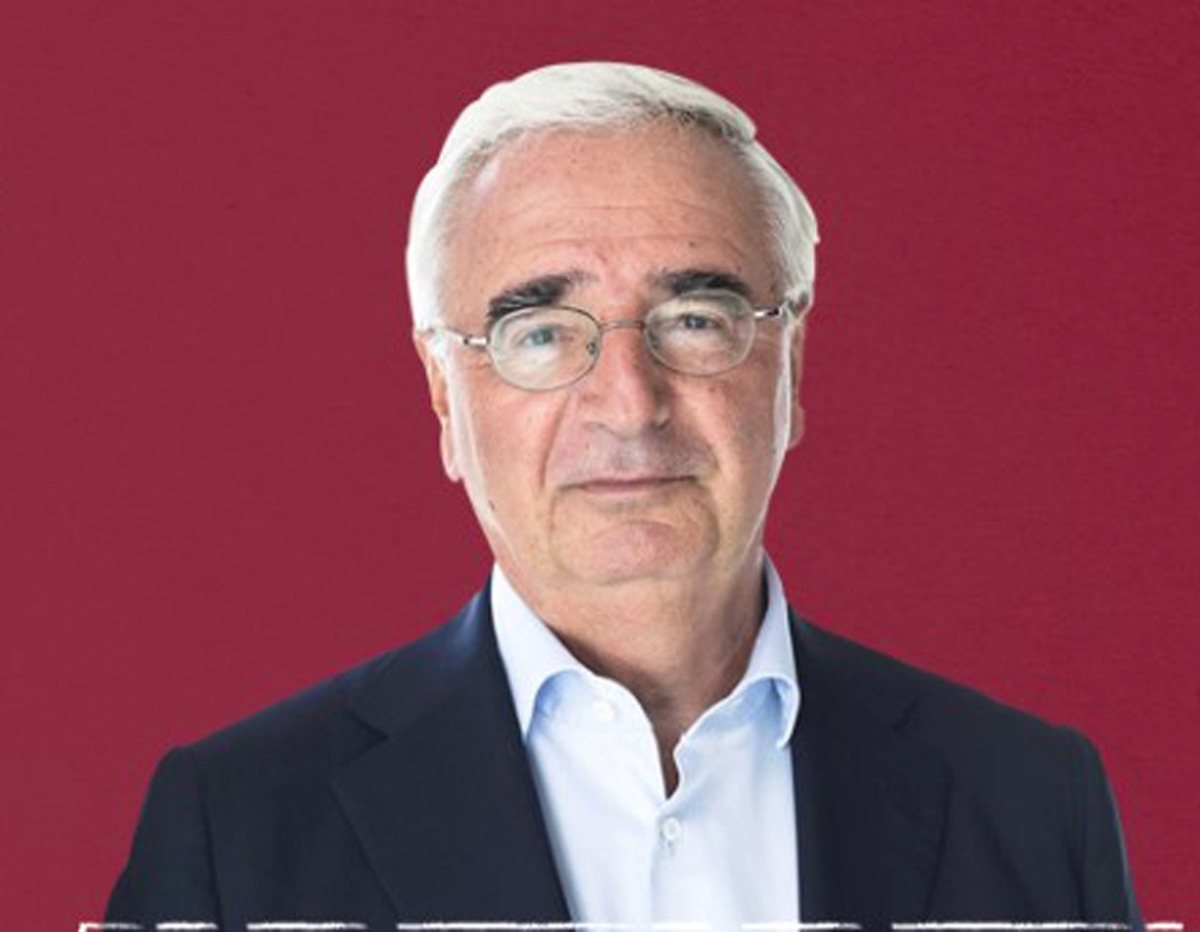
Chairperson of Deutsche Bank Paul Achleitner
Berlin: Chairperson of Deutsche Bank Paul Achleitner affirmed that Qatar and Germany have had long-standing and deep economic ties, and there are mutual investments in both countries, as Qatar acquires many key roles in the Middle East.
In an exclusive statement to QNA, Achleitner added that the recent visit of Germany’s Vice-Chancellor and Federal Minister for Economic Affairs and Climate Action H E Dr. Robert Habeck was a significant step on the way to increased collaboration between both countries, and the visit of the Amir will certainly deepen this relationship.
He added that the German Minister’s visit which resulted in fruitful talks on world energy security and German-Qatari relations in the field of energy will have significant impact in the future, in addition to the current visit of the Amir to Germany, and the positive results that will emerge from it for the two countries.
Deutsche Bank is one of the world’s leading banks, in which Qatar holds a 6.1 percent stake. The bank is also recognised in many regional awards for its achievements in banking investment and Islamic finance. Headquartered in Frankfurt, Germany with 80,000 employees in 72 countries, Deutsche Bank has a wide presence in Europe, the Americas, Asia, and in emerging markets.
“Obviously, we are biased as having major shareholders from Qatar, and we are grateful for their support for the strategic path of Deutsche Bank including the transformation initiated in 2019 and delivered successfully since then by our CEO Christian Sewing and his management team. We appreciate the long-term view of Qatar shareholders.
-In general, the European banking sector is open for long-term investments and has significant upside potential,” said Achleitner.
He added: “Deutsche Bank has achieved its highest quarterly post-tax profit since 2013, and although management is mindful of the risks in the geopolitical, fiscal, and macroeconomic environment, we believe this momentum positions the bank well for delivery on its 2022 targets”.
Achleitner also explained that the COVID-19 pandemic is far from over, as the recent lockdowns in China regrettably demonstrate, considering that the economic situation in the current period is characterised by uncertainty, high volatility in the markets and increasing concerns about supply chains. He noted that the steadfastness of European banks have held up well against the economic impact of COVID-19 and stimulus packages helped stabilize European economies.
He pointed out that Deutsche Bank has always been part of the solution in the COVID-19 crisis. Regarding the future of work, he said: “We see that rather as an acceleration of an existing trend to shape work environments to fit the needs of our employees. Working from home as part of a hybrid future work model is here to stay for good”.
Achleitner went on to express condemnation of Russia’s invasion of Ukraine and reiterated the bank’s commitment to help clients navigate this period of upheaval. He added that the effect of the war on the banking sector remains to be seen, indicating that at Deutsche Bank, their exposure to Russia is very limited and has been reduced further during the past weeks. However, this is a very volatile situation that adds uncertainty to the markets and for the banking industry, he added.
With regards to the sanctions against Russian assets, the Chairperson of Deutsche Bank said that he supports the decisions of the German government and its allies and are consistently implementing the sanctions.
Regarding the talk in Europe on the need to stop importing Russian gas, he noted that the EU and its member states already pointed to existing contracts and made clear that they do not intend to pay in rubles.