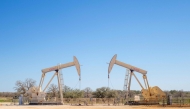
Doha: Oil prices settled higher on Friday, but posted a second straight weekly loss, after a volatile trading week with no easy replacement for Russian barrels in a tight market. Brent crude futures settled up $1.29, or 1.2 percent, to $107.93 a barrel, a day after surging nearly 9 percent in the biggest daily percentage gain since mid-2020. US West Texas Intermediate crude futures settled up $1.72, or 1.7 percent, at $104.70 a barrel, adding to the previous session’s 8 percent jump. Prices hit 14-year highs nearly two weeks ago, encouraging bouts of profit-taking since then.
The volatility of crude prices has been boosted by the supply crunch from traders avoiding Russian barrels and dwindling oil stockpiles. However, prices have been pressured by worries about demand with COVID-19 cases surging in China while stumbling nuclear talks with Iran have been a wild card on the market.
The volatility has scared some investors out of the oil market, which could exacerbate price swings. Meanwhile, output from the Organization of Petroleum Exporting Countries and its allies in February undershot targets even more than in the previous month, sources said. The International Energy Agency said oil markets could lose 3 million bpd of Russian oil from April.
Asian spot liquefied natural gas prices fell last week, tracking European gas prices, as concerns over disruptions of Russian gas slightly eased. The average LNG price for May delivery into north-east Asia was estimated at $35.50 per metric million British thermal units (mmBtu), down $2.50, or 6.6 percent, from the previous week, industry sources said. Asian demand is still muted with north-east Asia consuming an average of 54 percent of global LNG imports in the first two months of 2022, compared to 67 percent last year. In Europe, prices were calmer last week as both sides (Russia and Europe) toned down their rhetoric on cutting existing Russian gas exports to Europe. The Dutch TTF premium to Asian LNG prices should ensure Europe continues to pull LNG away from Asia for the time being.
The European Commission last week published a blueprint to cut EU dependency on Russian gas by two thirds this year and end all Russian fossil fuel imports well before 2030. Some experts say it will be hard to achieve and possibly trigger a competitive and costly dash for the fuel when energy prices are already inflicting economic pain.
The Commission proposes importing around 50 billion cubic meters of liquified natural gas.