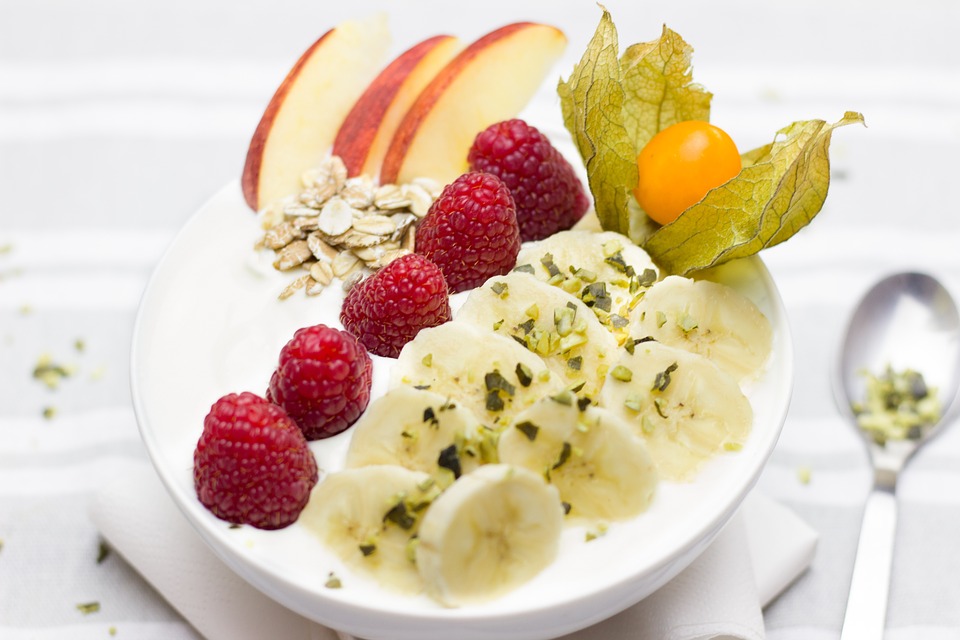
Image of a breakfast used for representation.
Primary Health Care Corporation (PHCC) has advised people to maintain a healthy diet during the winter by avoiding taking extra calories and be protected from seasonal flu.
Also, heaters or hot air-conditioners can increase the risk of spreading viruses responsible for respiratory and gastro systems diseases, says Muodi Al Hajiri, Nutritionist at PHCC.
“One of the most important practices during the colder days of the year is making healthy choices when it comes to food. The choice of food and drink we make can help us avoid developing colds by boosting our immune system, whilst also providing our body with much needed warmth. This is a much better option than solely relying on heaters or hot air-conditioning to stay warm which can increase the spread of bacteria and viruses that are responsible for most respiratory and gastro systems diseases,” said Al Hajiri.
She also said that acquiring a suitable quantity of fat daily, between 70-80 gramme is recommended as fat is rich in calories that provide warmth to the human body as well as strengthening the function of muscles, which can ultimately help to practice sports that are suitable for cold weather. Fat also provides the human body with a great amount of vitamin ‘A’ which is a fat-soluble vitamin, food rich in fat can support the body to absorb this vitamin well. Vitamin ‘A’ is vital for a healthy complexion, vitamin ‘E’ is vital for good blood circulation whereas vitamin ‘C’ helps maintain a healthy and fresh complexion as well as boosting the body’s ability to ward off the germs that cause colds and the flu.
Also, proteins play a vital role in building the body’s muscle mass, bones and tissues, as well as fighting colds, proteins are vital for the production of anti-bodies and the immune bodies that protect the body against microbe attacks, especially in the winter.
Microbes are part of the hormones composition that maintains a stable level of all vital functions such as blood circulation, respiratory cycle, metabolism level and fat burning level, which all contribute to maintaining a steady body temperature during the cold. In order to obtain an ideal portion of protein, we must eat 60-80 grammes daily distributed between animal protein such as meat, chicken, fish, egg, yoghurt and vegetarian protein such as lentil, bean, chickpeas and cereals.