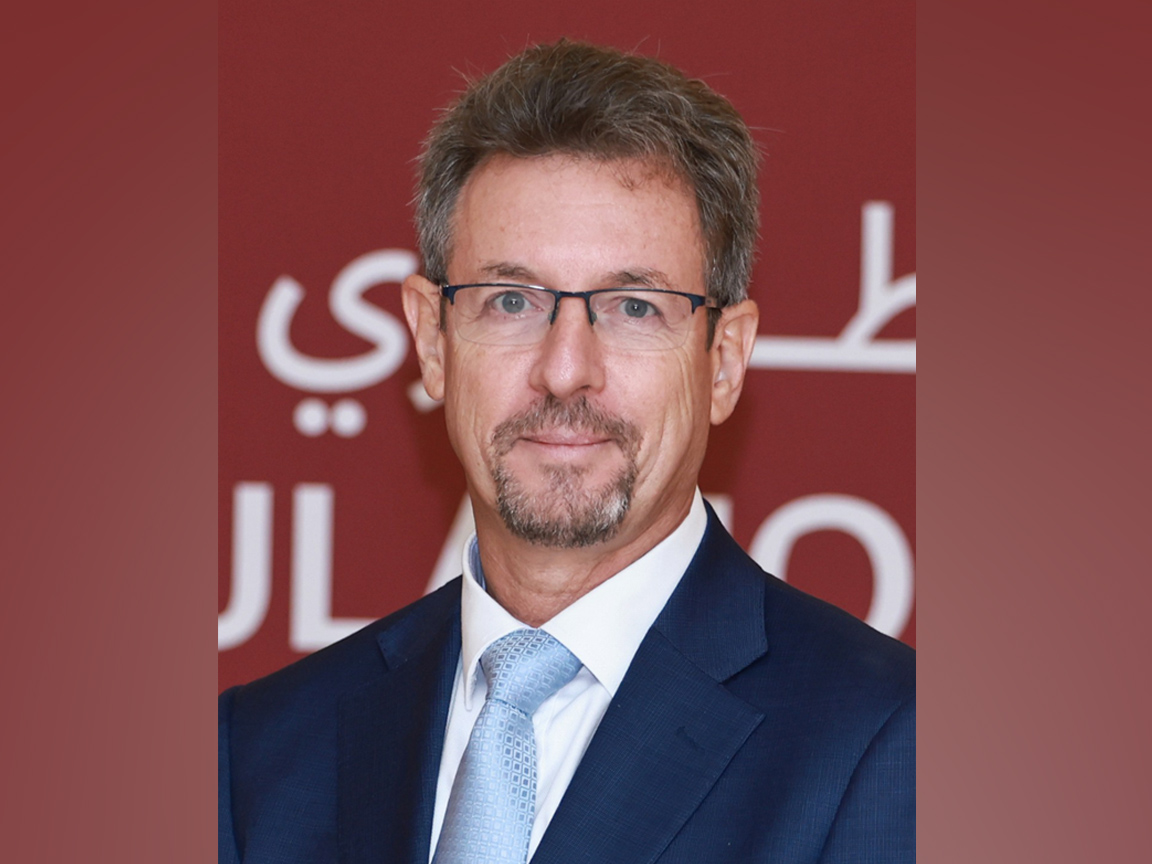
Representative of the United Nations Population Fund (UNFPA) for the Gulf Cooperation Council (GCC), Jocelyn Fenard
Doha, Qatar: Qatar is well positioned to advance regional and international cooperation on population and sustainable development, with its experience in integrating demographic projections into national economic planning and its active role in regional initiatives, according to the Representative of the United Nations Population Fund (UNFPA) for the Gulf Cooperation Council (GCC), Jocelyn Fenard.
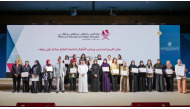
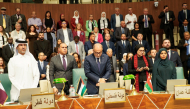
During the Qatar Population Day 2026, Fenard highlighted Qatar’s progress in population planning, its collaboration with UNFPA and the growing importance of demographic resilience in shaping sustainable development policies.
“Qatar has already made significant progress over the past decades, particularly in integrating population projections into national economic planning,” Fenard told The Peninsula. “At the regional level, Qatar has also played an important role by hosting GCC workshops and conferences on population issues.”
He noted that the cooperation between Qatar and UNFPA would focus on strengthening the links between demographic trends and national development priorities, particularly through collaboration with the National Planning Council (NPC).
“UNFPA is currently working with the National Planning Council on the next programme of cooperation,” he said. “One of the key areas of focus is demographic resilience, which involves integrating population projections with economic and social projections.”
Demographic resilience is increasingly important as countries seek to understand how changes in population size, composition and distribution can influence the planning and delivery of public services.
Integrating demographic projections into economic and social planning can help policymakers anticipate future needs, allocate resources more effectively and develop policies that respond to changing population dynamics.
“This is about understanding how population and demographic changes will affect health, education, social progress and the labour market,” Fenard said. “I believe this will be a key area of collaboration between Qatar, through the National Planning Council, and UNFPA.”
The representative also identified opportunities for new joint initiatives under the next phase of cooperation, expected to begin next year, describing demographic resilience as an emerging area in which the country is in a robust state to contribute.
He emphasised that “Demographic resilience is a relatively new concept, and Qatar is at the forefront of this area. The new phase of cooperation in 2027 will be central to launching new initiatives, building on the achievements of our previous collaboration and advancing a positive, constructive partnership.”
On the practical steps countries should prioritise to ensure demographic change that supports sustainable development, the representative underscored the importance of reliable data and investment in people.
“There are a few key areas to focus on. The first is data and data quality, an area in which the National Planning Council and the Population Committee are already working,” Fenard said.
Additionally, the official mentioned human capital development as another major priority, noting Qatar’s continued commitment to investment in this area.
“The second is human capital development, which is another area where Qatar is investing significantly and intends to continue investing in the coming months,” he added.
Fenard’s remarks outline the role of evidence-based policymaking and regional cooperation in preparing countries for demographic change, while ensuring that population trends are integrated into broader development strategies.