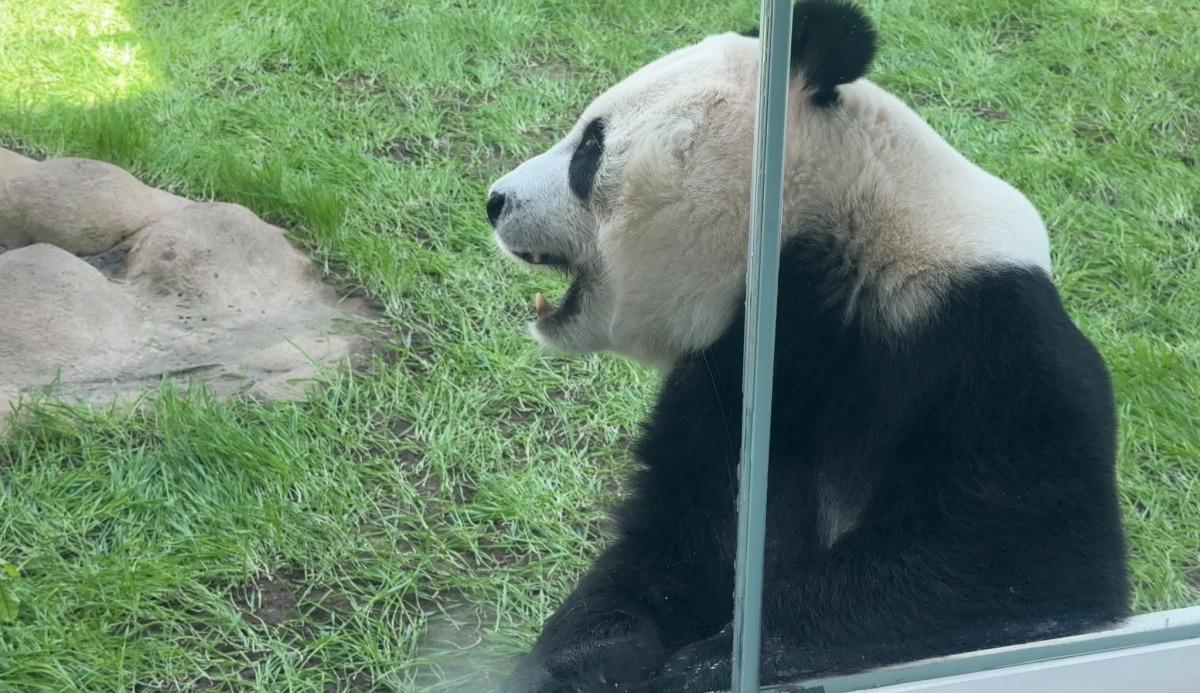
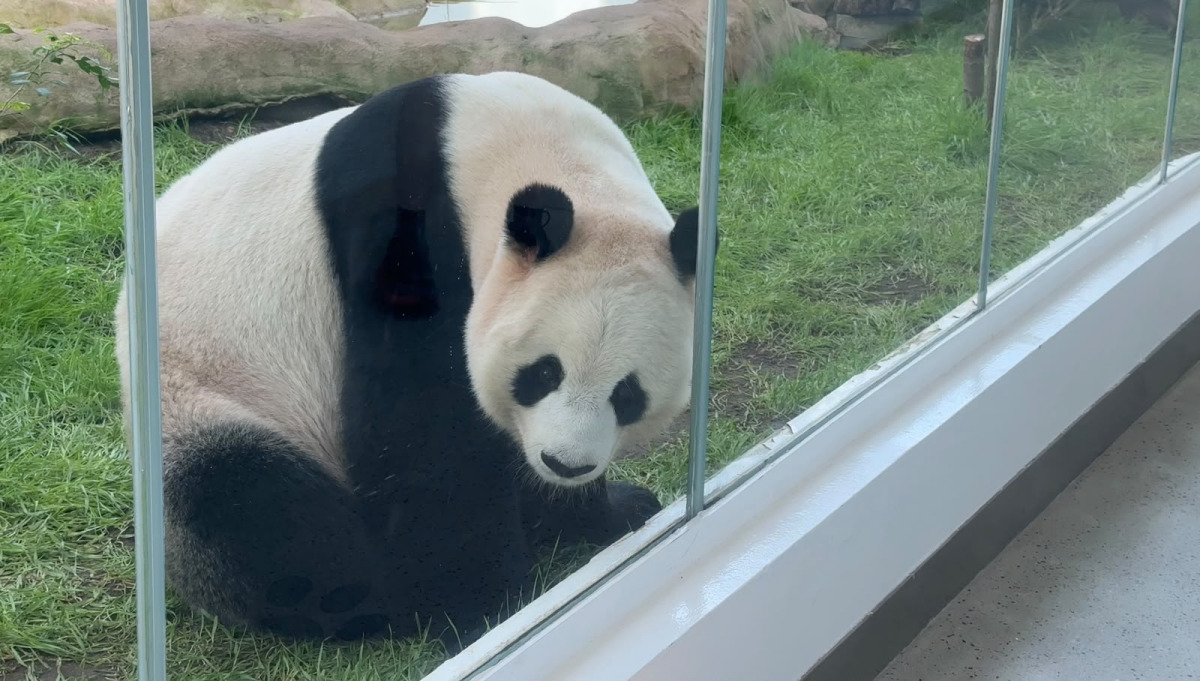
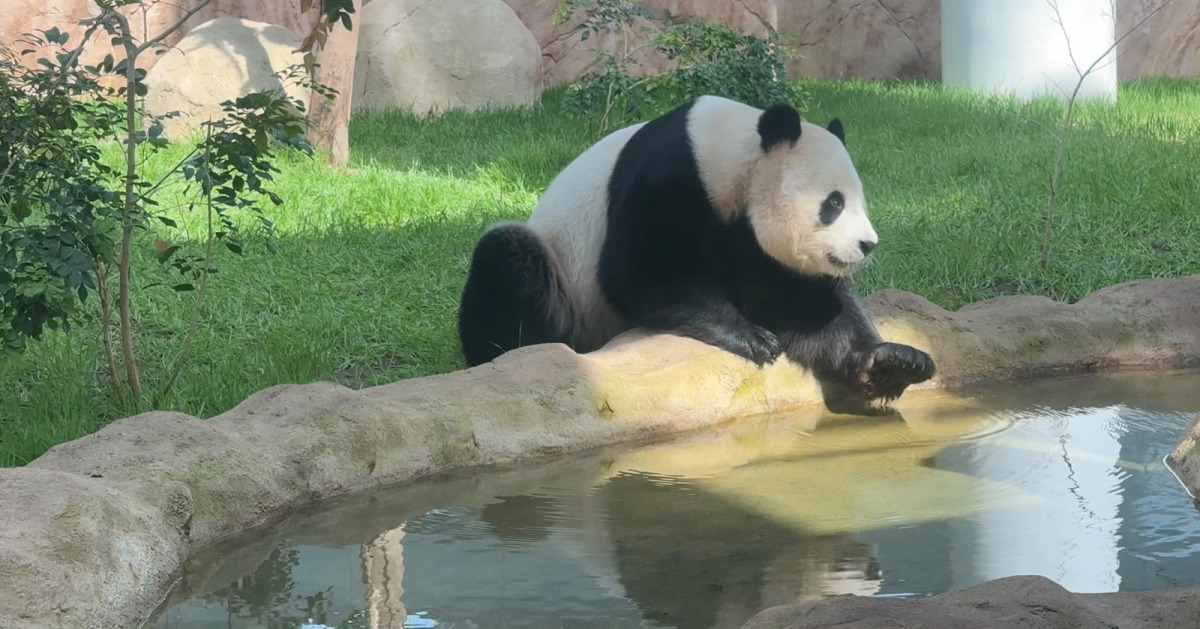
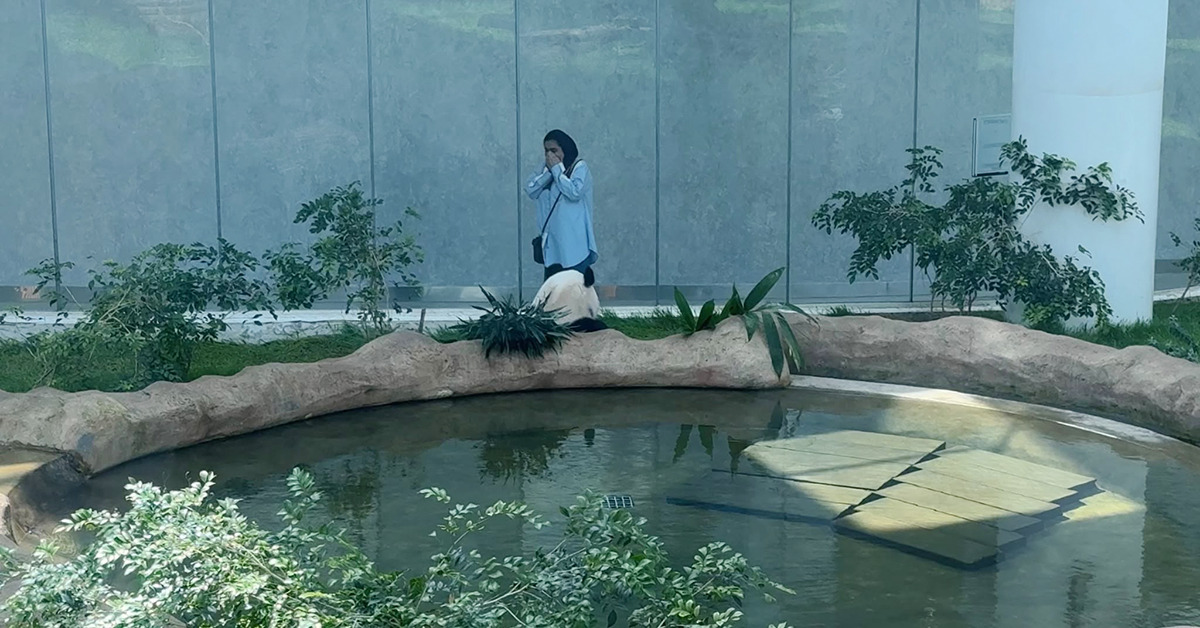
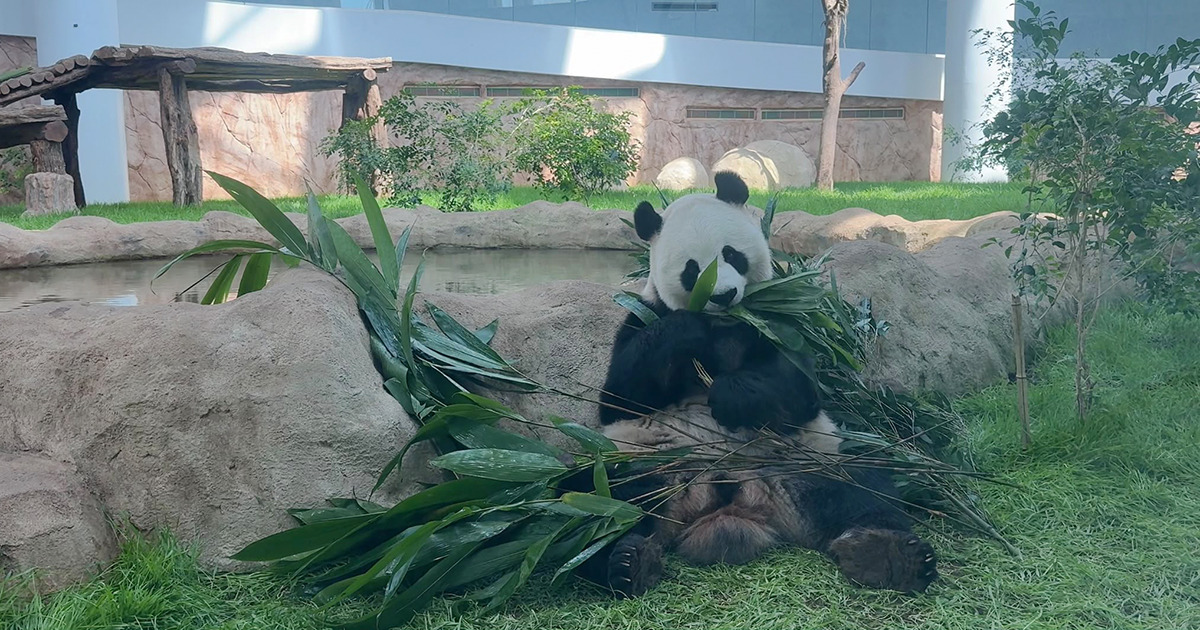
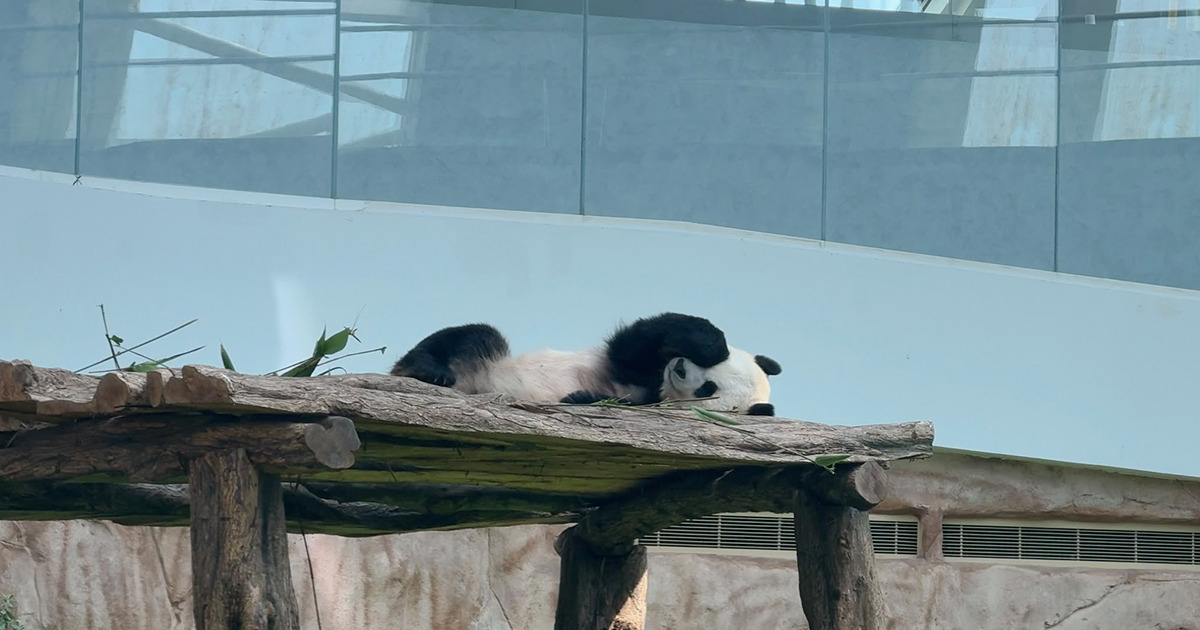
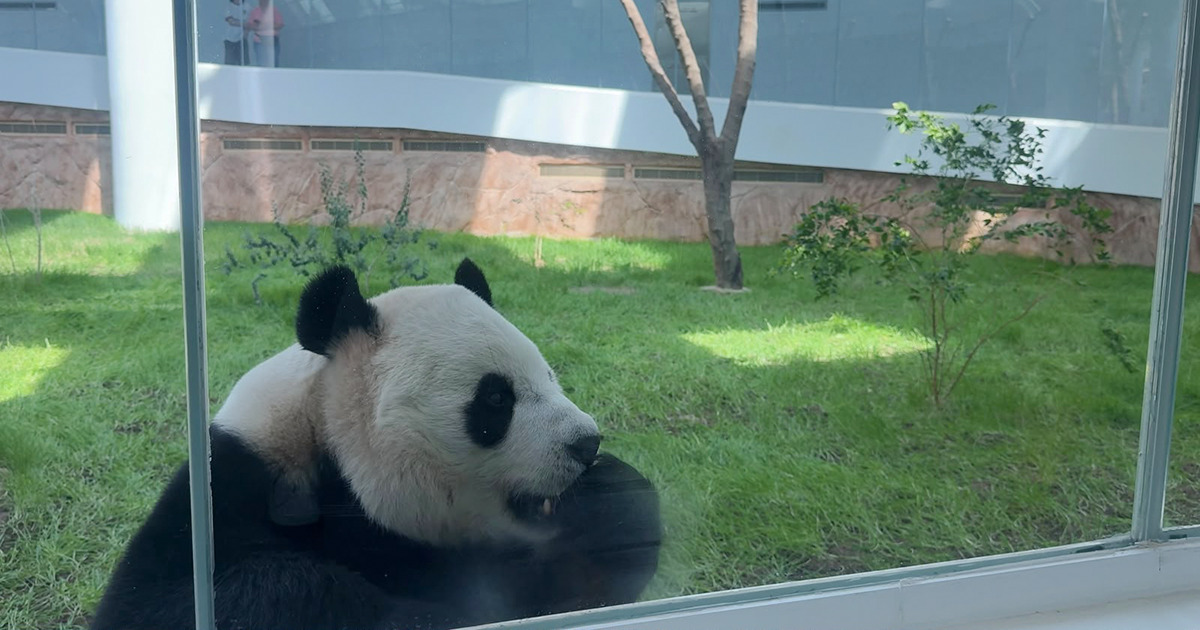
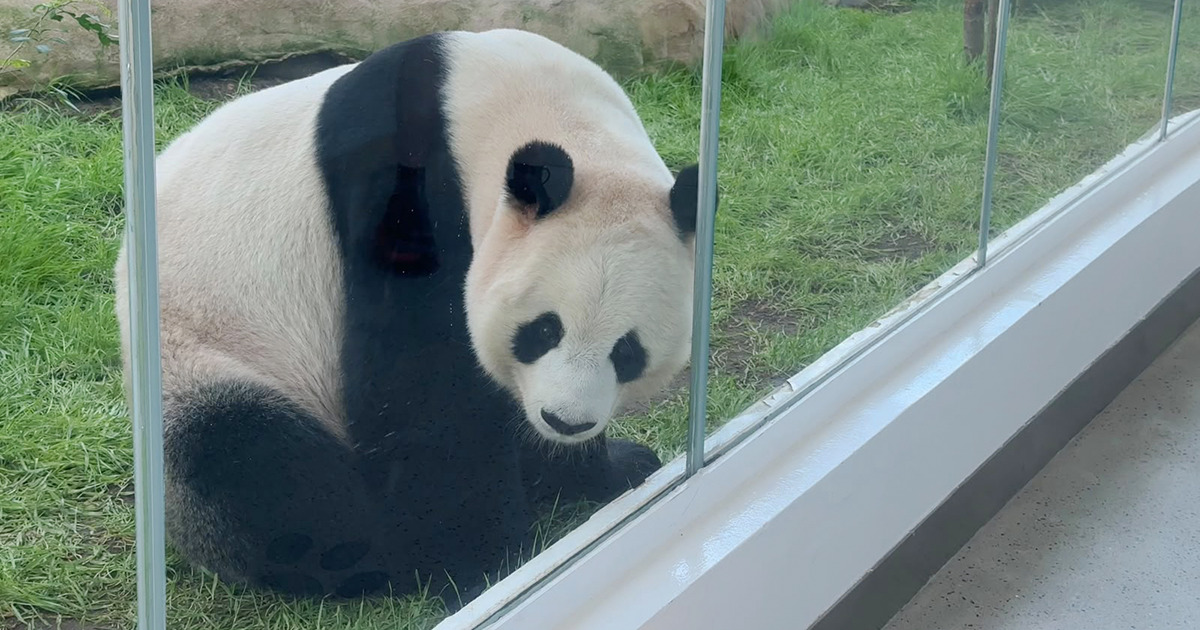
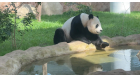
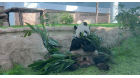
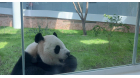
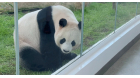
Doha, Qatar: For Suhail and Thuraya, a typical morning at Al Khor’s Panda House involves bamboo, a little climbing and, eventually, a long nap.
For the people caring for them, it begins with a detailed checklist.
As October 19, 2026 marks four years since the giant pandas arrived in Qatar, their trainer and an agricultural researcher have offered The Peninsula a closer look at the daily work that keeps the pair fed, active and safe.
Suhail and Thuraya arrived from China on October 19, 2022, ahead of the FIFA World Cup, making Qatar the first country in the Middle East to host giant pandas.
Their home, beside Al Khor Family Park, opened to the public the following month.
Behind their daily routine is a coordinated effort involving keepers, animal-care staff, gardeners, engineers and a team monitoring their behaviour around the clock.
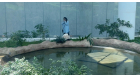
Ahmed Monzer, a trainer caring for the pandas, said the day begins with cleaning and inspecting the outdoor enclosure.
Keepers check for anything that may have fallen during maintenance, equipment left behind by gardeners, sharp objects and other potential hazards.
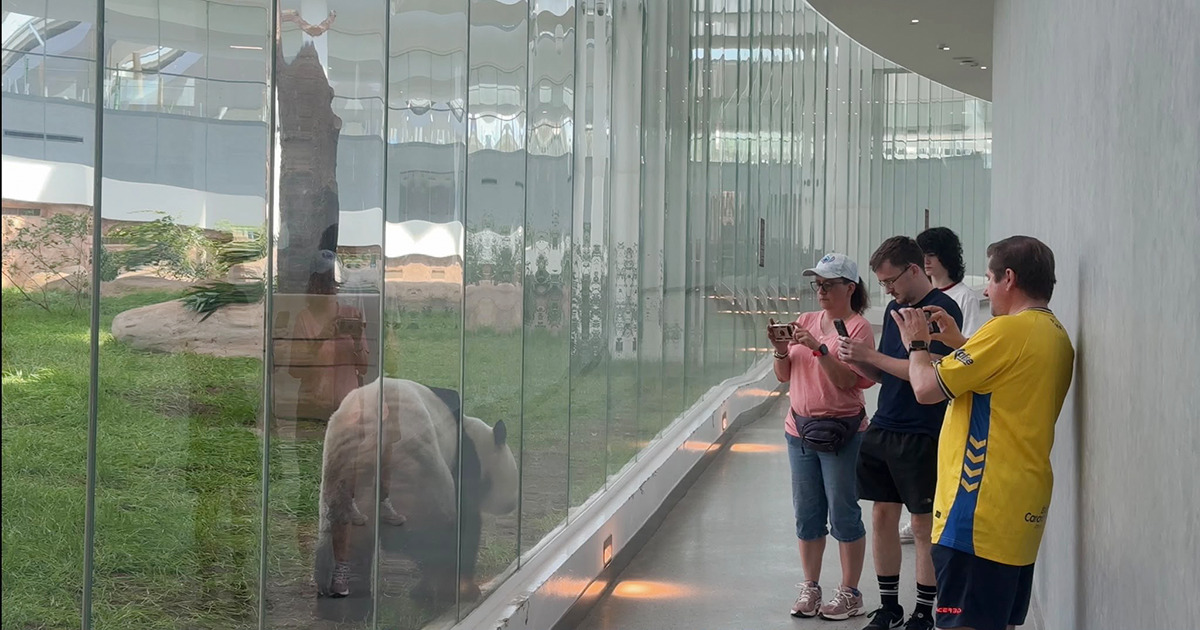
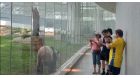
They then clean the viewing glass and prepare the food.
Where that food goes matters almost as much as what is served.
“We distribute it in different locations to encourage the pandas to move around,” Monzer told The Peninsula.
Rather than placing everything in one spot, the team spreads food throughout the enclosure, encouraging the pandas to climb, walk and explore different areas of the garden.
Bamboo stems and leaves are placed in several locations, making feeding part of their daily activity.
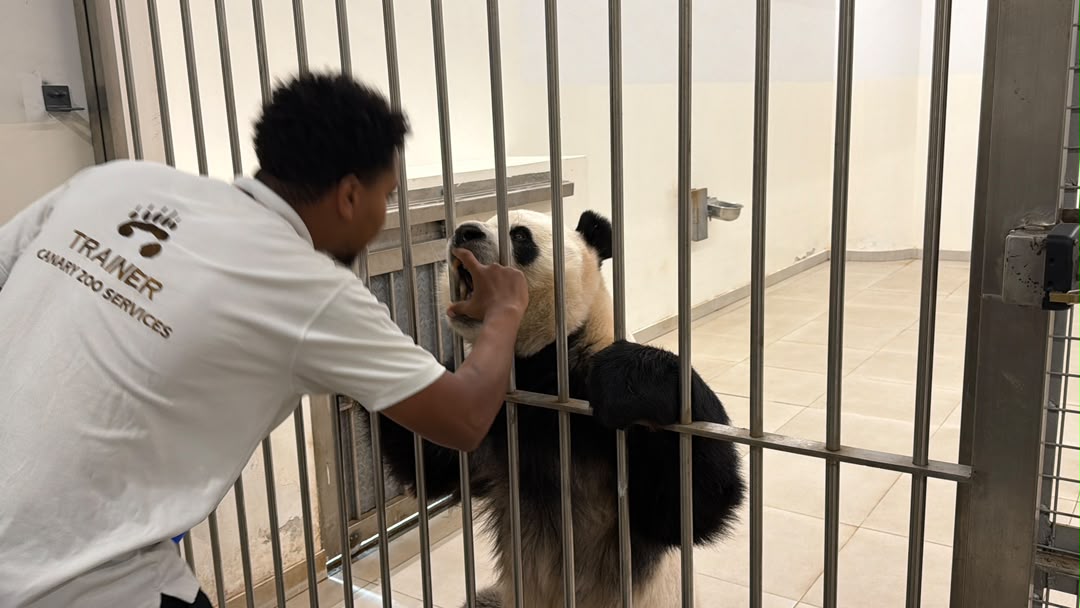
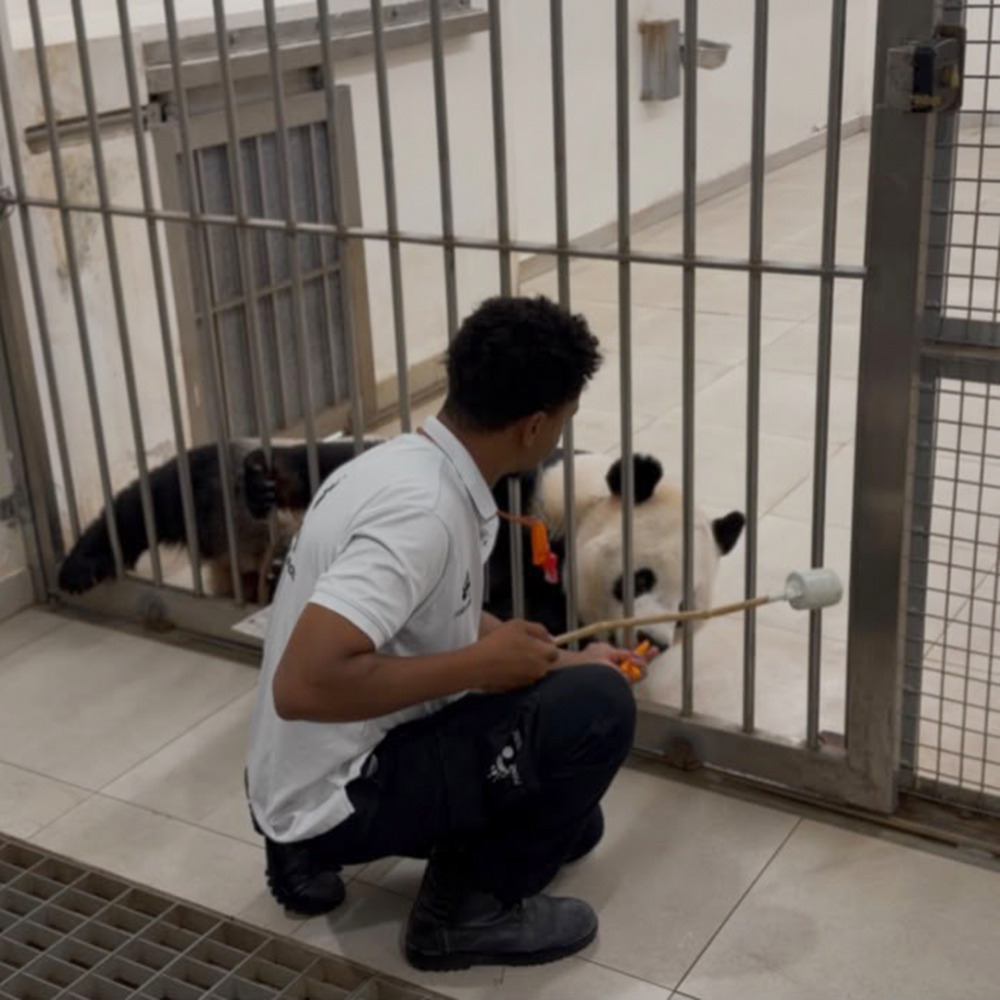
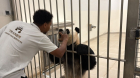
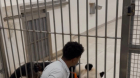
Before the pandas head outside, Monzer and his team check their movement, eyes and mouths for signs of a problem.
“We have trained them to open their mouths so we can examine the inside,” he said.
The mouth checks are particularly important because the pandas spend so much time chewing tough bamboo.
Staff look for injuries and check their eyes for discharge or other changes.
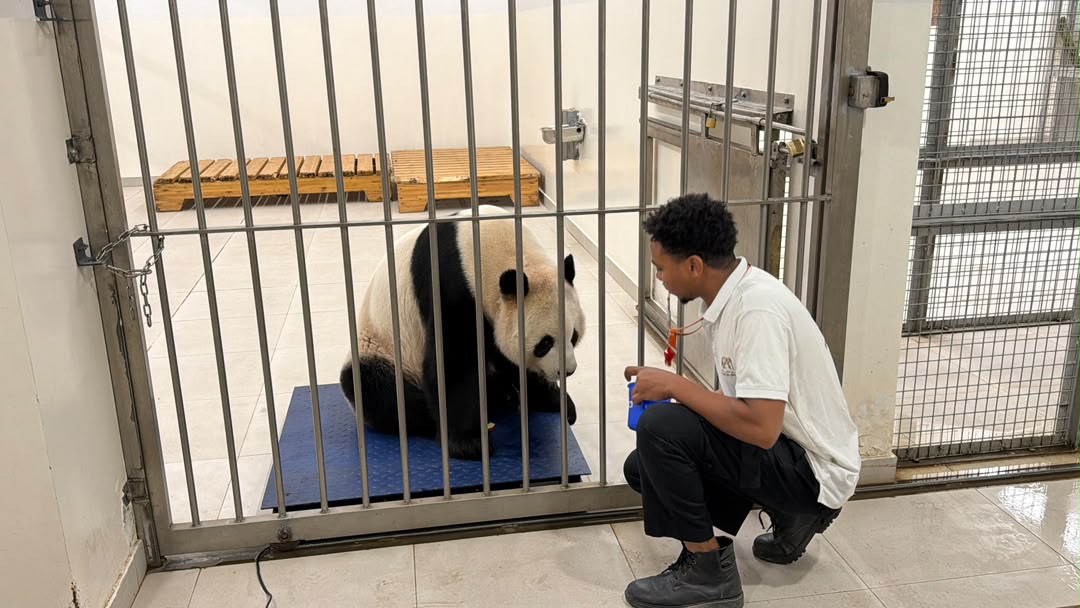
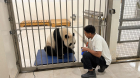
The pandas receive treats as rewards for cooperating with the checks and responding to training cues.
The training visitors may see has a practical purpose: helping the team carry out examinations and provide treatment.
“All our training here is for medical care,” Monzer said.
The pandas learn to present a foreleg for a blood sample, offer a shoulder for an injection, lie down for an ultrasound examination and remain still for an X-ray.
They are also trained to open their mouths and cooperate when eye drops are needed.
Training takes place three times a day, according to Monzer.
Responding when called is another important skill. If staff identify a hazard in the outdoor enclosure, they can call the pandas back inside.
The aim, he explained, is to support their healthcare and enable staff to move them to safety when necessary.
Bamboo is the mainstay of the pandas’ meals, supplemented with apples, pears, carrots and sweet potatoes, Monzer said.
The team also prepares a soybean-based cake each day, adding vitamins and calcium to supplement their diet.
Food preparation is therefore both a nutritional task and part of the wider care routine, with selected items used as rewards during training.
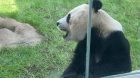
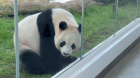
According to Monzer, the pandas are generally active between around 9am and 10.30am, spending that time eating and moving around.
They then tend to sleep until about 2pm or 2.30pm.
“A panda’s life is mostly eating and sleeping,” he said.
The pair have separate indoor sleeping rooms and their own spaces.
Monzer said they are kept separately as part of their care arrangements.
They generally bathe themselves, although staff can wash them when necessary, including when outdoor areas become muddy after landscaping work.
Their care continues even when they are resting.
“We monitor the pandas 24 hours a day,” Monzer said.
A team works in shifts watching camera feeds and recording their activities, including how often they drink, how long they spend eating and any changes in behaviour.
These observations help staff follow their daily patterns and identify anything that needs attention.
Caring for the landscape
Maintaining the pandas’ surroundings is another part of the daily operation.
Soumaya Al Ghazwani, an agricultural researcher with the Ministry of Municipality’s Public Parks Department, oversees the plants and irrigation at the Panda House.
“My main responsibility at the Panda House is to look after all the plants and the irrigation,” she told The Peninsula.
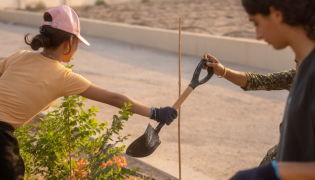
The work includes periodically renewing the planting and sowing barley in both pandas’ enclosures, as well as maintaining the trees, plants and flowers outside.
Monzer said the animal-care team also coordinates with the ministry’s landscaping, engineering and administrative teams on maintenance and improvements.
The Panda House Park occupies a 120,000-square-metre site, with a design inspired by the Minshan Mountains in China’s Sichuan province.
The development includes panda accommodation, green areas, service buildings and a medical facility.
Its facilities include separate enclosures and outdoor gardens for the two pandas, alongside a gallery, cafe, gift shop and children’s educational and recreational space.
Four years after their arrival, the interviews reveal how much work supports the familiar sight of Suhail and Thuraya eating bamboo or settling down to sleep: inspections, carefully planned feeding, daily health checks, maintained gardens and a team keeping watch long after visitors leave.