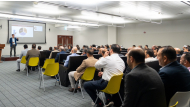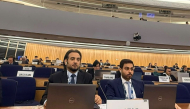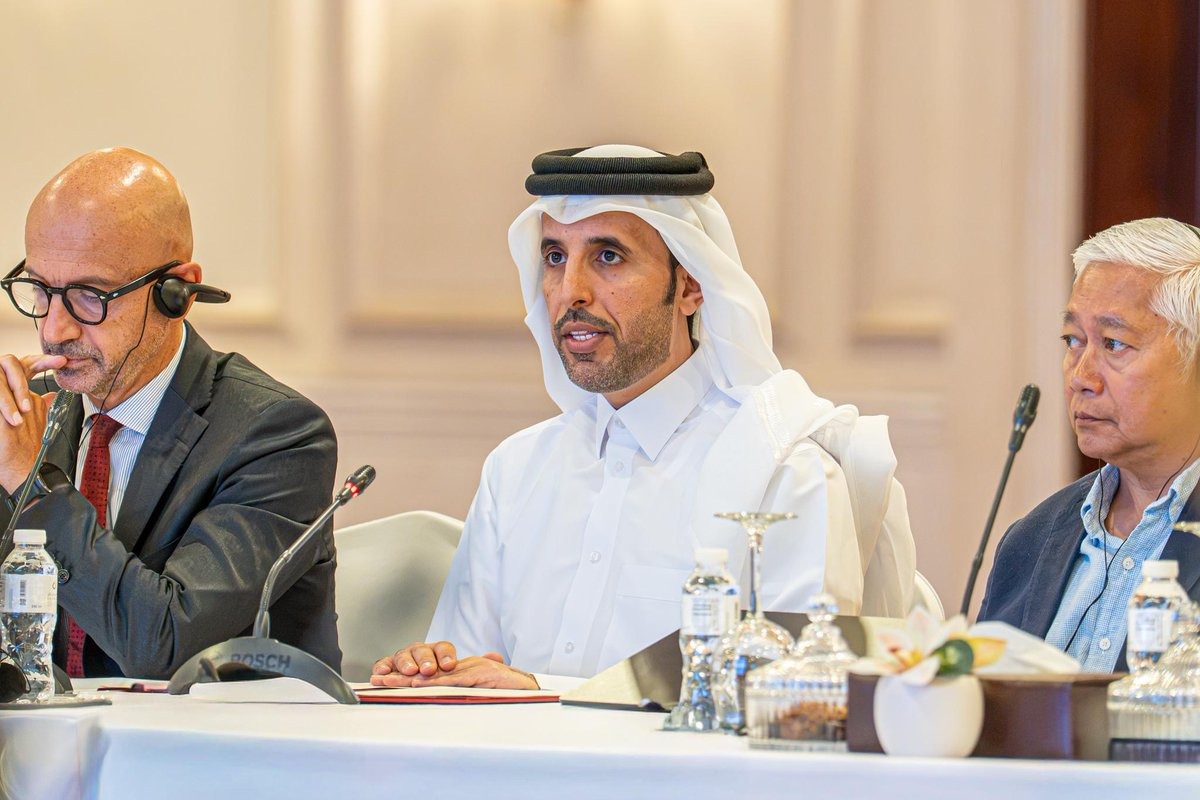
Doha, Qatar: The Ministry of Labour, in cooperation with Building and Wood Workers' International (BWI), held the second roundtable for the construction, building materials and wood sectors, building on the discussions and outcomes of the inaugural roundtable held in December 2025.
The roundtable forms part of Qatar's continued efforts to further develop its labour relations framework and promote constructive social dialogue across key economic sectors.
It brought together representatives of government entities, employers and workers to discuss challenges facing the sectors, exchange expertise and good practices, and explore practical approaches to strengthening labour relations and cooperation between employers and workers.
The discussions focused on the implementation of the new framework for joint committees, with participants examining ways to strengthen worker participation and establish effective channels of communication between workers and employers.
Other key areas included wage protection, occupational safety and health, social dialogue, and measures to further enhance cooperation at sector level.
The meeting also provided an opportunity to review progress since the first construction sector roundtable in December 2025 and to build on the recommendations and priorities identified during that engagement.
A delegation from Building and Wood Workers' International participated in the discussions alongside representatives of the Ministry of Labour, relevant government entities, employers and companies operating in the construction and related sectors.
The exchange drew on international experience and practical expertise, while exploring approaches that are consistent with Qatar's national legislation and relevant international standards.
Speaking at the meeting, Assistant Under Secretary for Migrant Labour Affairs, Hamed Faraj Dalmouk said the second roundtable continued the dialogue initiated by the Ministry of Labour at the inaugural meeting in December 2025.
He emphasised Qatar's commitment to social dialogue as a fundamental pillar of labour market development, noting that sustained engagement between employers and workers provides an effective platform for addressing challenges, sharing expertise and developing practical solutions.
Dalmouk highlighted the importance of joint worker committees as a key mechanism for strengthening worker participation and establishing direct channels of communication between workers and employers.
He noted that such committees provide a structured forum for raising concerns and addressing workplace challenges, helping to facilitate practical solutions that contribute to better working conditions, greater stability and improved productivity.
On wage protection, Dalmouk described the Wage Protection System as an important pillar of Qatar's framework for safeguarding workers' rights. He noted that the system helps ensure the timely payment of wages while promoting greater transparency in the contractual relationship between workers and employers.
He also stressed that improving working conditions requires a comprehensive approach that goes beyond regulatory and legislative measures.
This includes ensuring safe and healthy workplaces and strengthening awareness of occupational safety and health procedures, particularly in sectors where the nature of work requires a high level of adherence to preventive and protective measures.
In this context, Dalmouk underscored the importance of continued engagement among stakeholders and of drawing on international experience and good practices to improve working conditions, while ensuring that such approaches remain aligned with national legislation and relevant international standards.
He reaffirmed the Ministry of Labour's commitment to maintaining open and sustained dialogue with its partners, taking their observations and proposals into consideration and continuing to develop policies and practices that strengthen worker protection and improve working conditions.
He also highlighted the importance of supporting employers and contributing to the efficiency, competitiveness and productivity of various economic sectors.
During the working sessions, participants discussed a range of issues relevant to the construction and related sectors, including employment and recruitment, wage protection, occupational safety and health, worker participation, social dialogue, and the role of joint committees in strengthening cooperation between employers and workers.
The roundtable concluded with a reaffirmation of the importance of sustained dialogue, coordination and the exchange of expertise and good practices among employers and workers.
The discussions highlighted the value of continued sectoral cooperation in further developing labour relations and supporting Qatar's ongoing efforts to advance its labour system.