Picture: QNA/ X
Doha, Qatar: The Primary Health Care Corporation (PHCC) affirmed that the Family Medicine Model (FMM), being applied in all 31 health centers, has largely helped improve the quality of services and enhance prevention and early detection of diseases.
The corporation stressed the critical role undertaken by family physicians as the core elements of strengthening the health of both individuals and societies, who have significantly been a tremendous factor in deepening the notions of prevention and health sustainability.
As such, PHCC marks the World Family Doctor Day 2026 annually on May 19, with this year under the motto of Compassionate Care in a Digital World to further spotlight the significance of leveraging digital transformation technologies in providing primary medical care.
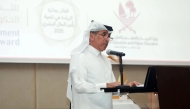
Assistant Director General for Operations and Clinical Affairs at PHCC, Dr. Samia Ahmed Al Abdullah, said family medicine represents the core pillar for primary health care thanks to the comprehensive and combined service this kind of medicine constantly offers to all family members.
This model has been operating in all centers since 2013 in consistency with the objectives of Qatar National Vision, Dr. Al Abdullah recalled.
She added that the role of family physicians is not merely confined to diagnosing diseases and treating them but goes beyond to encompass forging an enduring relationship with patients and their families alike, suggesting that this kind of relation helps physicians understand more deeply the health, genetic, and social history of families.
This kind of relationship is positively reflected on the quality of provided health care and prompts rapid medical intervention when needed, she highlighted.
Dr. Al Abdullah reminded that this model focuses on prevention before treatment through offering periodic medical tests, vaccinations, and early detection of chronic diseases and cancers.
The model likewise strengthens health awareness as well as proper lifestyles, with family physicians persistently monitoring cases of chronic diseases such as diabetes, BP, and cardiovascular illnesses, Al Abdullah noted, emphasizing that this modus operandi helps reduce complications and improve patients’ quality of life.
She recalled that currently critical chronic diseases are mostly monitored in PHCC-operated health centers, a testament to the efficiency of this model, as family physicians provide overall health care for all family members with their various ages and health needs.
The model significantly contributes to providing medical and behavioral counseling, as well as mental health support services, and the identification of family history and hereditary disease risk, helping in the prevention of genetic and chronic diseases and the development of appropriate treatment plans, she underscored.
Dr. Al Abdullah further noted that the model provides a range of integrated healthcare services, including family medicine clinics, chronic disease management (non-communicable diseases), behavioral health and mental health services, school health services, family planning services, prenatal and postnatal care, early cancer screening services, immunization programs, and annual preventive health check-ups, in addition to specialty outpatient clinics covering multiple medical disciplines.
This model literally helps reduce the pressure on hospitals that are crowded with overwhelming numbers of patients, as well as unnecessary referrals through providing combined health care inside clinics, Dr. Al Abdullah pointed out, adding that the model likewise reduces costs through focusing on prevention and early diagnosis.
She outlined that this year's motto underscores PHCC's pivot toward enhancing digital health services with a particular emphasis on preserving the humanitarian aspect when it comes to the relationship between physician and patient.
Dr. Al Abdullah recalled that modern technology has become a fundamental support in advancing health care and improving service accessibility without negating the importance of humanitarian outreach and personal attention that distinguishes family physicians.