DOHA: About 70 percent of Qatari patients seeking treatment for obesity at Hamad Medical Corporation (HMC) are women, says a senior health expert.
Dr Moataz Bashah, HMC’s Director of Metabolic and Bariatric Surgery and Director of the Summit said that more than 30 percent of the Qatari population are obese largely due to unhealthy eating habits and a sedentary lifestyle. This has led to an increased number of people turning to bariatric (weight loss) surgery as a solution.
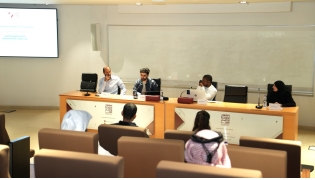
More than 2,000 patients have undergone weight loss surgery at HMC since 2011, Bashah told the inaugural Qatar International Metabolic and Bariatric Surgery Summit (QIMBSS) held in Doha recently.
Diabetic patients also often seek bariatric- weight loss- surgery, with 60 to 70 percent of diabetic patients being treated at HMC. The summit, hosted by HMC, saw 30 international speakers and more than 250 participants from Qatar and the region gather to discuss the latest techniques in metabolic and bariatric surgery.
Bariatric surgery is a treatment used to help patients with extreme obesity to lose weight. It involves operating on the stomach and/or intestines and is an option for people who are unable to lose weight by other means, such as diet and exercise, or have serious obesity-related health problems such as diabetes and cardiovascular disease.
Patients who have undergone bariatic surgery at an early stage of their diabetes can generally expect better outcomes, but the long-term success of the treatment largely depends on the patient’s commitment to the prescribed post-operative diet and exercise regimen.
“Unfortunately, there are some patients who fail to comply with this regimen and end up regaining weight and coming back for revision surgery after two to three years,” said Dr Bashah.
He commented that revision surgery, particularly if done more than once, can result in complications.
He also warned against undergoing bariatric surgery abroad, highlighting that there have been a significant number of complications sustained by patients following overseas procedures due to poor clinical follow-up after their surgeries.
Speaking about bariatric surgery techniques used to help treat obesity at HMC, Dr. Bashah stated that HMC is the first healthcare provider in the Middle East to use the minimally invasive Apollo Endosurgery technique which uses bodily orifices such as the mouth to operate on targeted areas.
The Peninsula