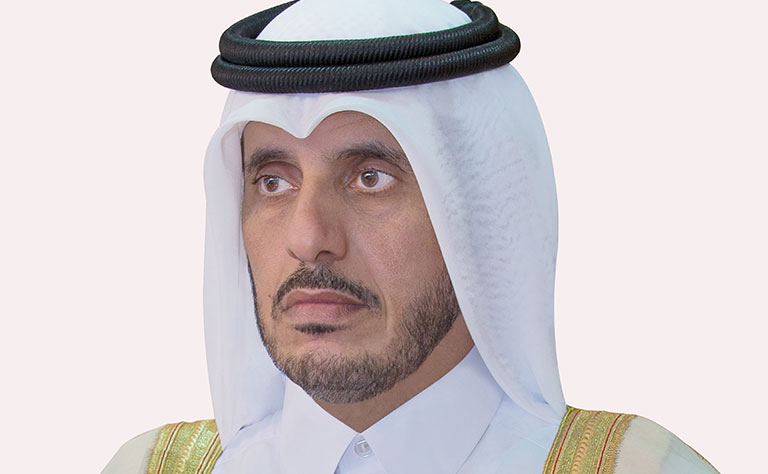
Under the patronage of the Prime Minister and Minister of Interior H E Sheikh Abdullah bin Nasser bin Khalifa Al Thani, an international conference on "Human Rights Approach to Conflict Situations in the Arab Region” is starting tomorrow in which over 300 regional and international organizations and representatives of governments will participate.
The conference is being organised by the Qatari National Human Rights Committee and OHCHR, sponsored by the General Secretary of the Council of Arab Ministries of Interior, the League of Arab States, and the Arab Network for National Human Rights Institutions, and co-sponsored by the Gulf Cooperation Council, the Arab Maghreb Union and, Humanitarian Dialogue.
The two-day conference will conclude on February 21. The conference aims to identify human rights-based early warning mechanisms; promote platforms for dialogue with a view to preventing crisis situations from degenerating into armed conflicts, and provide the means for addressing human rights concerns that may trigger resentment and hostility in the Arab region.
The conference is hosting over 320 participants including government officials, representatives from the UN organizations, international organizations, regional inter-governmental and non-governmental organizations, national human rights institutions, and policy researchers.
The conference is also to identify and develop civilian mechanisms to manage conflicts with a view to ensuring protection of human rights during times of conflict in the Arab region. It will also help develop comprehensive and inclusive human rights-based post-conflict strategies for the region with a view to protecting peace, promoting accountability, justice and truth, delivering reparations, and undertaking necessary institutional reforms in order to address the human rights concerns that lie at the heart of crisis.
The two-day conference will be divided into two segments, the first dedicated to in-depth discussion through the presentation of research papers regarding the root causes of the current conflicts in the Arab region from a human rights perspective. This will include an inter-active dialogue on the integration of human rights strategies and policies in the United Nations global strategies on violent extremism, countering terrorism, peace operations, and the linkages between violations of economic, social and cultural rights and violence, social unrest and conflict.
The second segment will be composed of four technical working groups on the integration of human rights tools and mechanisms in: 1) conflict prevention processes; 2) collective coordinated efforts of the United Nations, national human rights institutions and civil society in addressing conflict situations; 3) in the analysis of the effects of conflicts on human rights; and 4) the impact of the fulfillment of peace agreements, human rights-based institutional reforms and other guarantees of non-recurrence on the recurrence of instability, violence and conflict.