Doha, Qatar: Highlighting the importance of international partnerships in tackling corruption, a senior United Nations (UN) official praised Qatar’s sustained support for global anti-corruption efforts and its close cooperation with the UN Office on Drugs and Crime (UNODC).
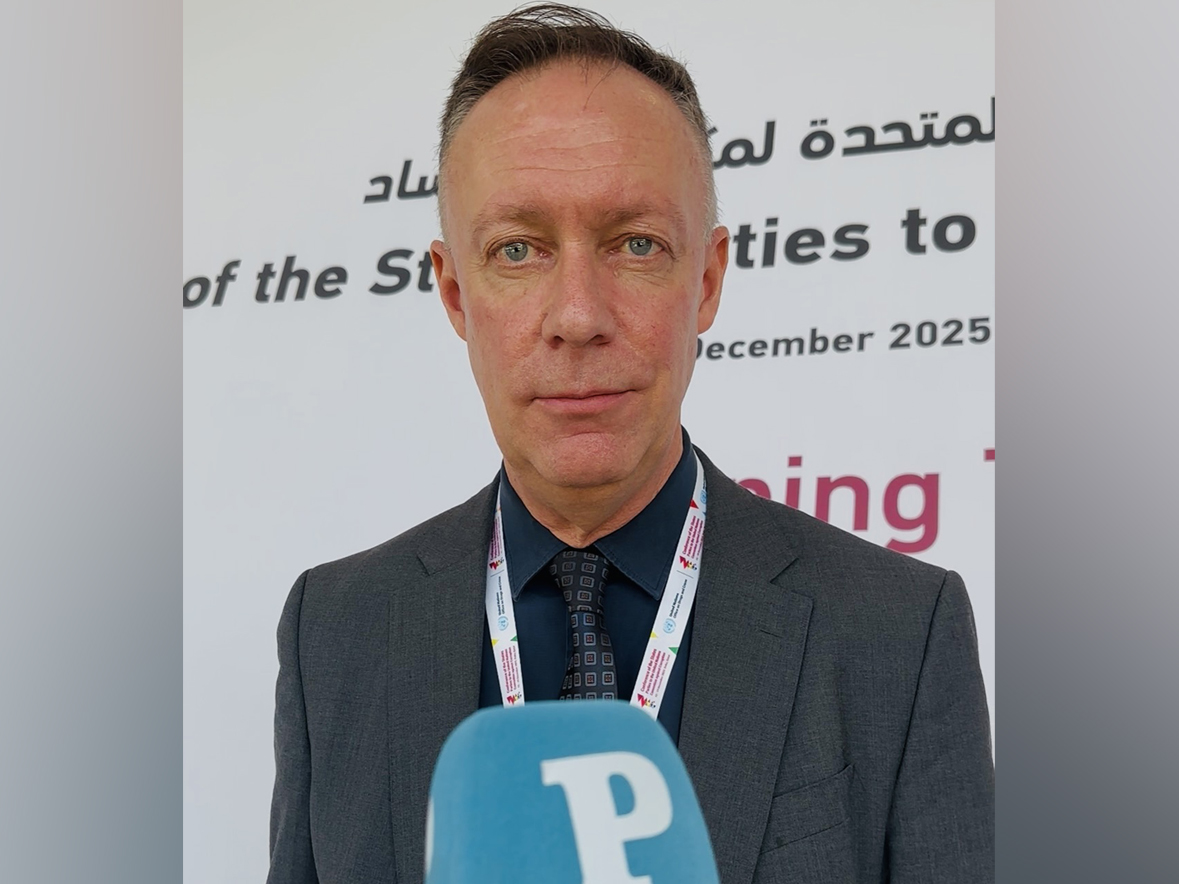
Speaking to The Peninsula on the sidelines of the Eleventh Session of the Conference of the States Parties to the United Nations Convention against Corruption (COSP11), Jason Reichelt, Crime Prevention and Criminal Justice Officer at UNODC, said the organisation has “enjoyed and benefited from long-standing support from Qatar” in preventing corruption and implementing the Convention.
Reichelt noted that Qatar is hosting the Conference of the States Parties for the second time and previously hosted the 2015 UN Crime Congress, a landmark global event that led to the adoption of the Doha Declaration. He said, “That initiative helped establish several major UNODC workstreams that remain active today, including the Global Judicial Integrity Network, which brings judges together from around the world to promote integrity, transparency, and accountability within justice systems.”
Turning to emerging challenges, Reichelt stressed that corruption continues to evolve rather than disappear. “One of the most significant trends is the rapid movement of illicit funds enabled by modern banking and financial technologies,” he said. “Money simply moves faster and this makes asset tracing, seizure, and recovery increasingly difficult for investigators and prosecutors, particularly in countries that lack sufficient resources or real-time technical capacity.”
He remarked that there is growing demand from UNODC partner countries for support in using technology and artificial intelligence to fight corruption, not only in investigations but also in prevention. Reichelt said, “Strengthening internal state systems, especially in high-risk areas such as public procurement has become a key priority.”
Drawing lessons from the COVID-19 pandemic, Reichelt said, “Technology and AI now make it possible to create verifiable audit trails that track procured goods and scrutinise bidding companies to ensure integrity and accountability. Such systems can significantly reduce opportunities for corruption before they arise.”
Reichelt emphasised that UNODC promotes a holistic, whole-of-society approach to combating corruption. “Governments cannot act alone; the private sector, civil society, academia, community, and religious groups all play essential roles in raising awareness, detecting corruption, and ensuring people feel safe when reporting wrongdoing,” he said. “Effective partnerships between public authorities and non-governmental actors are critical to making anti-corruption efforts sustainable.”
As COSP11 continues for the fourth day in Doha, Reichelt added that “UNODC remains committed to working with Qatar and other partners to strengthen global cooperation, harness innovation, and ensure the Convention against Corruption delivers real results for societies worldwide.”