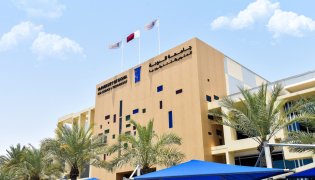
DOHA: The Ministry of Education and Higher Education (MoEHE) is continuing to expand the public school network and improve the distribution of educational facilities to ensure services keep pace with population growth, rising student numbers and the changing needs of different areas.
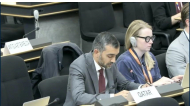
Head of the Admissions and Registration Section at the Ministry Ghaliya Mahdi Al Qahtani, said the identification of areas requiring new schools is based on pre-prepared studies and future development plans rather than random selection.
Speaking to Qatar TV, recently, she explained that the Ministry assesses several factors, including population density, existing and projected student numbers, school overcrowding, urban expansion and the educational needs of different communities. The availability of suitable buildings and coordination with relevant authorities are also taken into account before opening a new school. For the 2026-27 academic year, the Ministry expanded the public education network through the opening of five schools, covering both general and specialised education.
The newly opened schools include Ain Khaled Secondary School for Boys, Doha Preparatory School for Girls and Al Zakhira Primary School for Boys. The expansion also includes two schools affiliated with Qatar Schools for Science and Technology, a secondary school for girls in Rawdat Al Hamama, and a preparatory and secondary school for boys in Al Sakhama.
Al Qahtani stressed that the Ministry’s expansion efforts are not limited to constructing and opening new schools. Equal attention is being given to improving the geographical distribution of students and kindergartens to ensure educational services are delivered more efficiently and that student numbers are balanced across schools. As part of this approach, the affiliation of the kindergarten at Al Zakhira Model School for Boys and Girls was transferred to Al Khor Primary School for Girls, where it was designated for female students.
The kindergarten affiliated with Al Shaqab Primary School for Girls was transferred to Umm Salama Primary School for Girls, while the kindergarten affiliated with Al Nahda School was transferred to Al Ikhraitiyat Primary School for Girls.
These measures, she said, are intended to improve access to educational services, achieve a more balanced distribution of students and ensure that schools are better aligned with the demographic and geographical characteristics of their surrounding areas.
The locations of the newly opened schools, including Ain Khaled, Al Sakhama, Rawdat Al Hamama and Al Zakhira, reflect the Ministry’s efforts to respond to educational demand across different parts of the country rather than concentrating expansion in a single area.
Al Qahtani noted that planning for future schools is based on detailed assessments of current conditions and anticipated growth. The Ministry studies the number of students already enrolled in nearby schools, expected increases in enrolment, the level of pressure on existing facilities and the pace of residential and urban development.
The process also considers whether suitable premises are available and whether they meet the technical and operational requirements necessary for a school to function. Coordination with other government entities concerned forms another important part of the planning process.