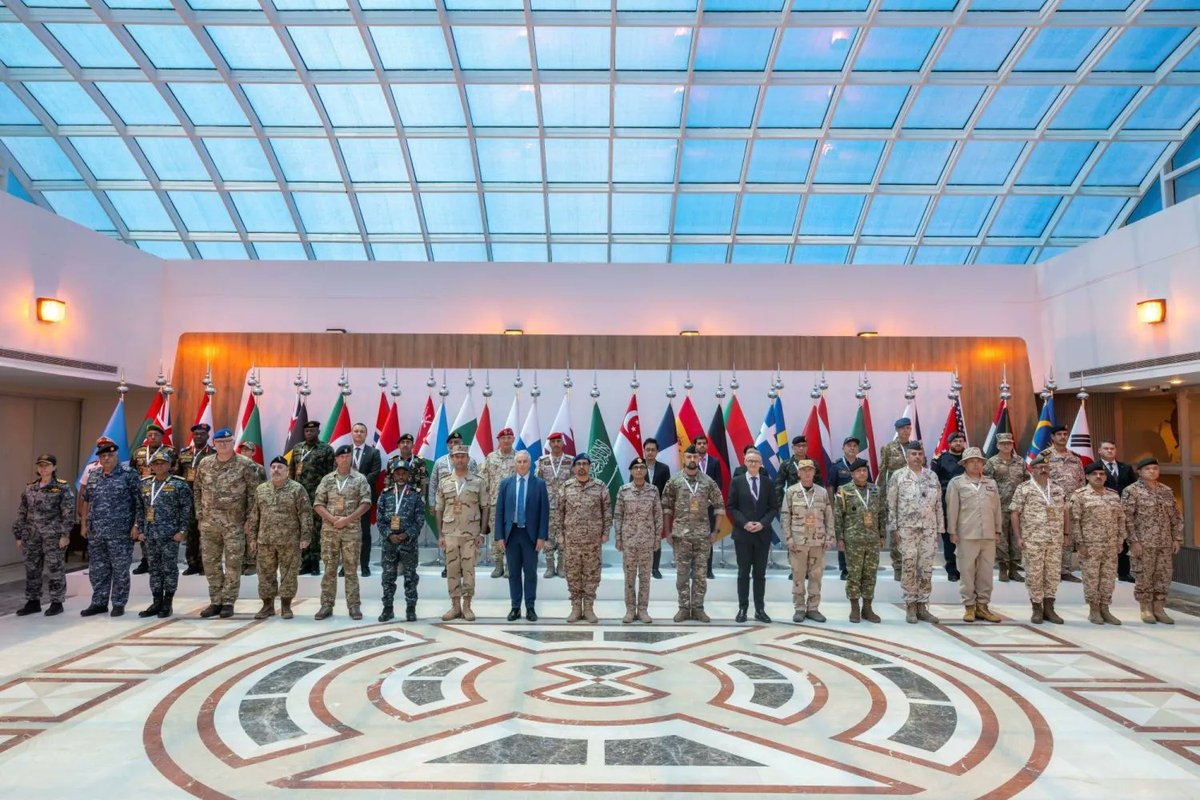
Jeddah: The Multinational Maritime Defense Coalition (MMDC) discussed operational updates; the progress of nations joining the coalition; and the definition of capability contributions from participating countries, during a meeting convened at the Western Fleet Command in Jeddah, all aimed at supporting readiness for operational execution.
In a statement issued today, the Saudi Ministry of Defense said that the coalition's fourth planning meeting, held yesterday (Thursday), was attended by 154 naval commanders, planners, ambassadors, and European Union representatives from 41 nations. The meeting marked the coalition's continued transition from the foundational phase to active operations, following its entry into the stages of capability integration, operational readiness preparation, and actual presence within the maritime operational zone.
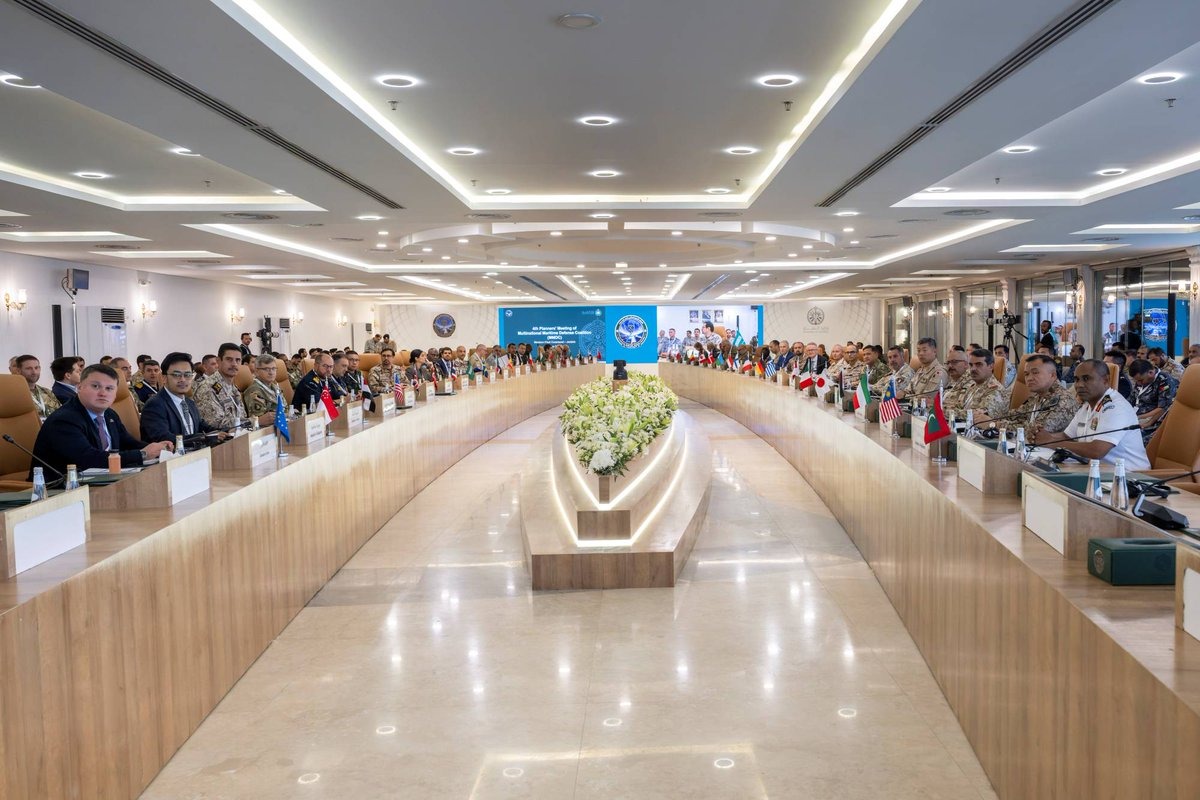
The Ministry explained that this meeting represents an advanced stage in the coalition's trajectory, shifting the focus toward enhancing operational readiness and preparing capabilities for operation under a unified command, ultimately leading to their deployment and the commencement of operational missions within the designated area of responsibility.
The meeting also addressed joint operational requirements and the specification of capability contributions from participating nations, ensuring support for coordinated and integrated multinational defensive operations.
The multinational maritime defense coalition had announced its establishment in Riyadh on July 30, following a meeting hosted by the Saudi Ministry of Defense and attended by chiefs of staff and representatives from 43 nations, as well as the European Union Delegation to Saudi Arabia.
At that time, 14 nations announced their support for the coalition project and its foundational arrangements, while other countries continued to finalize their respective national procedures for accession.
According to the founding statement, the coalition aims to enhance maritime security, protect freedom of navigation, and safeguard international trade routes, energy supply lines, and shared maritime interests in the Bab al-Mandab Strait, the Red Sea, and the Gulf of Aden, within the framework of international law.