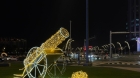
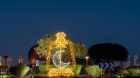
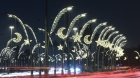
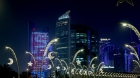
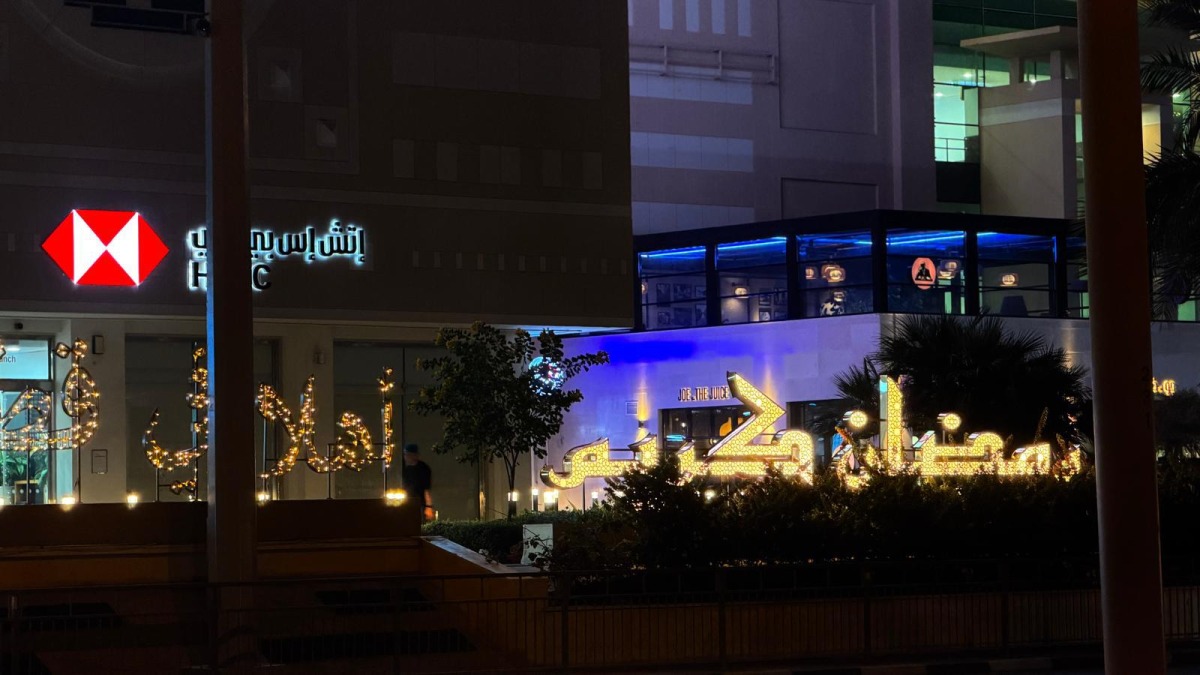
Doha, Qatar: Ramadan decorations and festive lights are illuminating streets and public spaces across Qatar, marking the advent of the holy month.
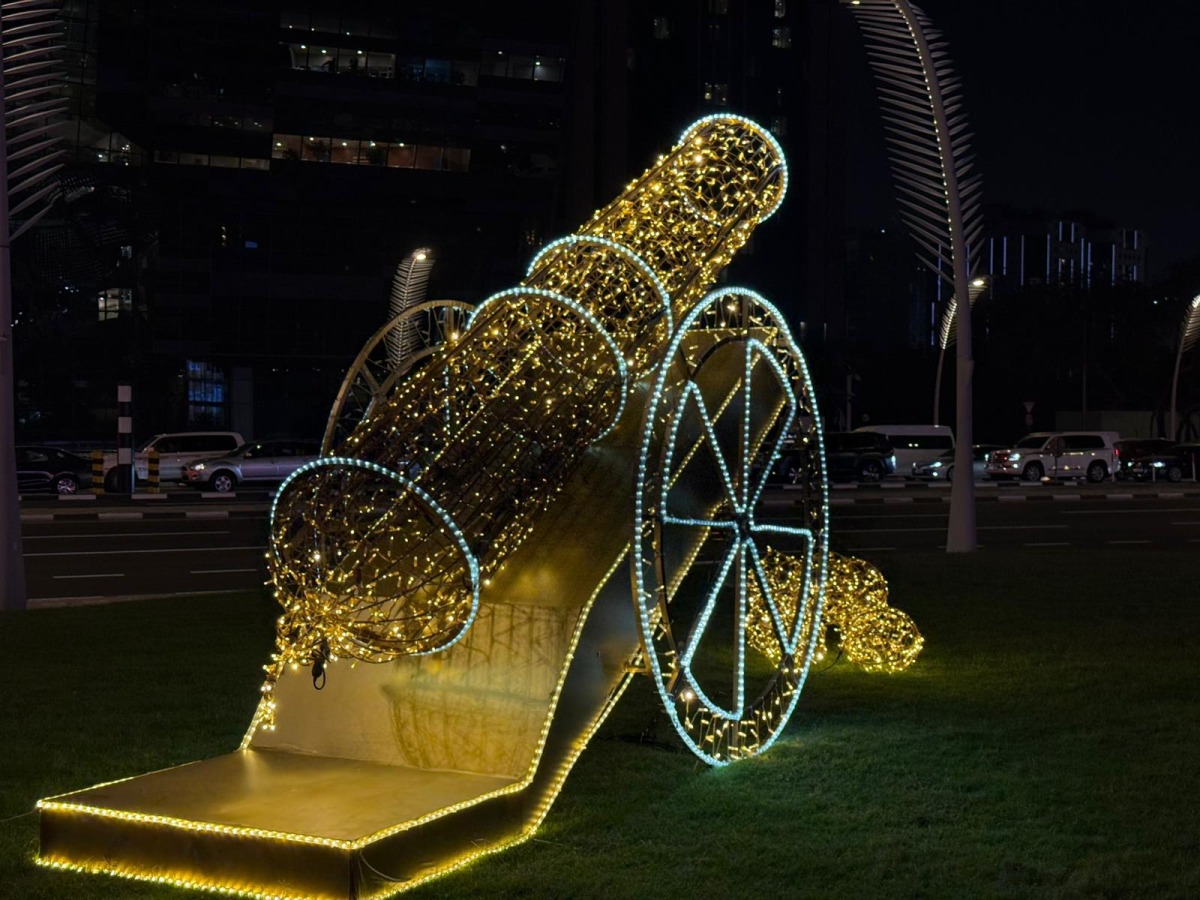
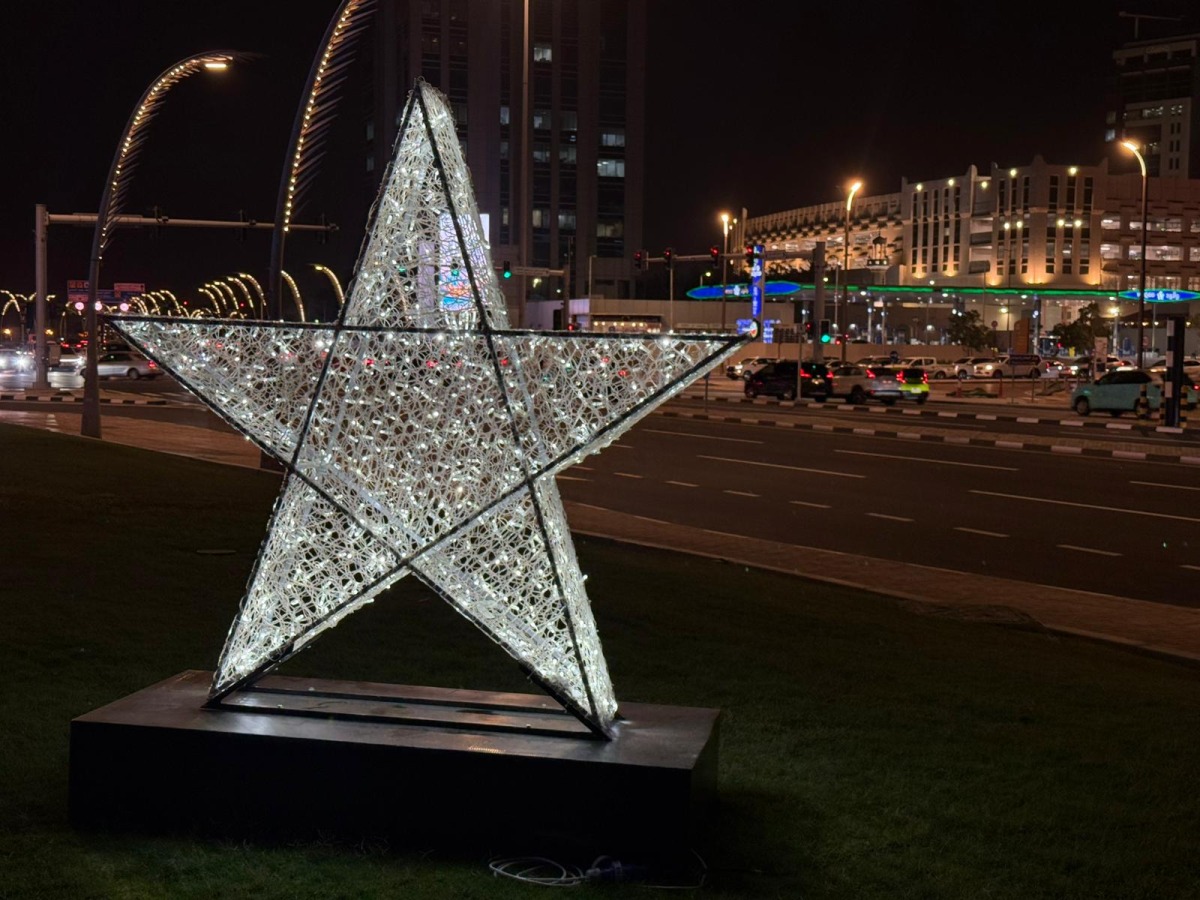
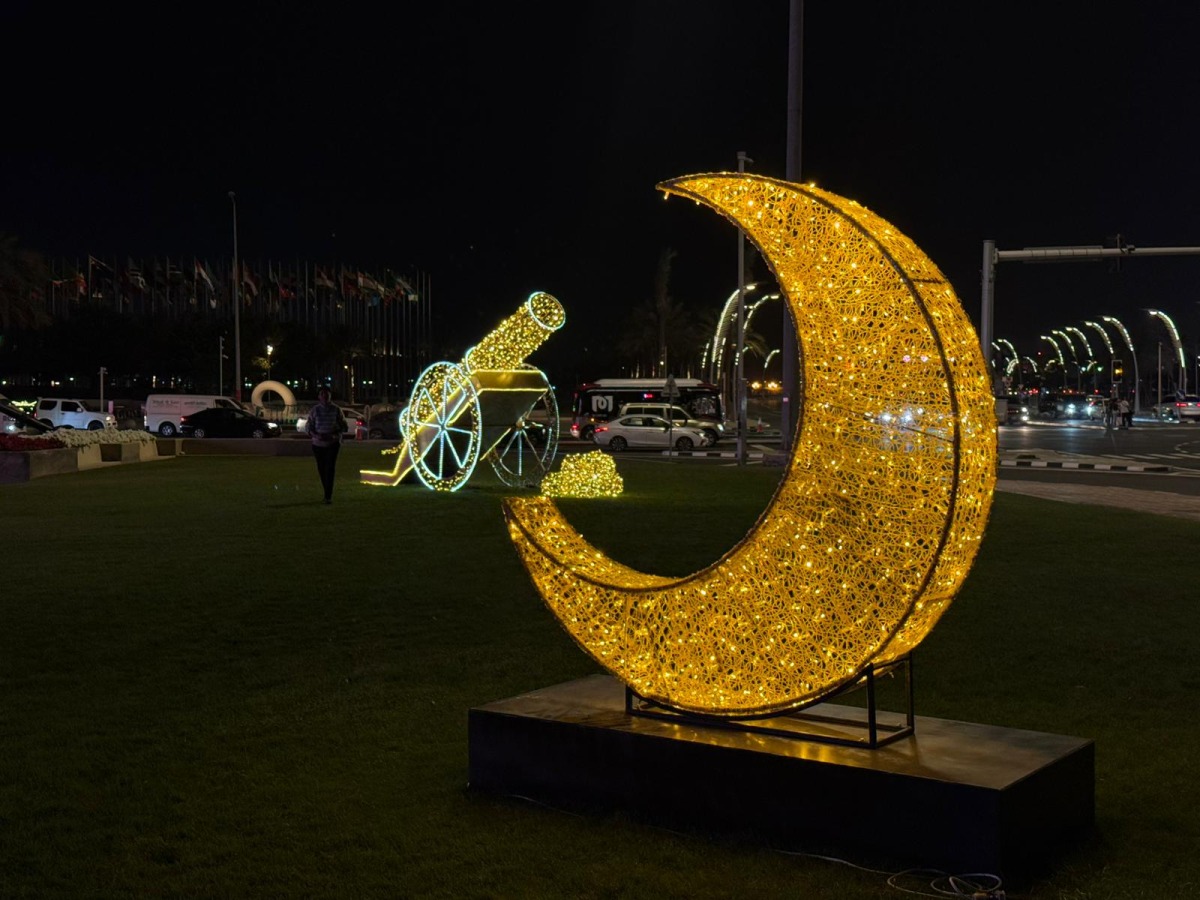
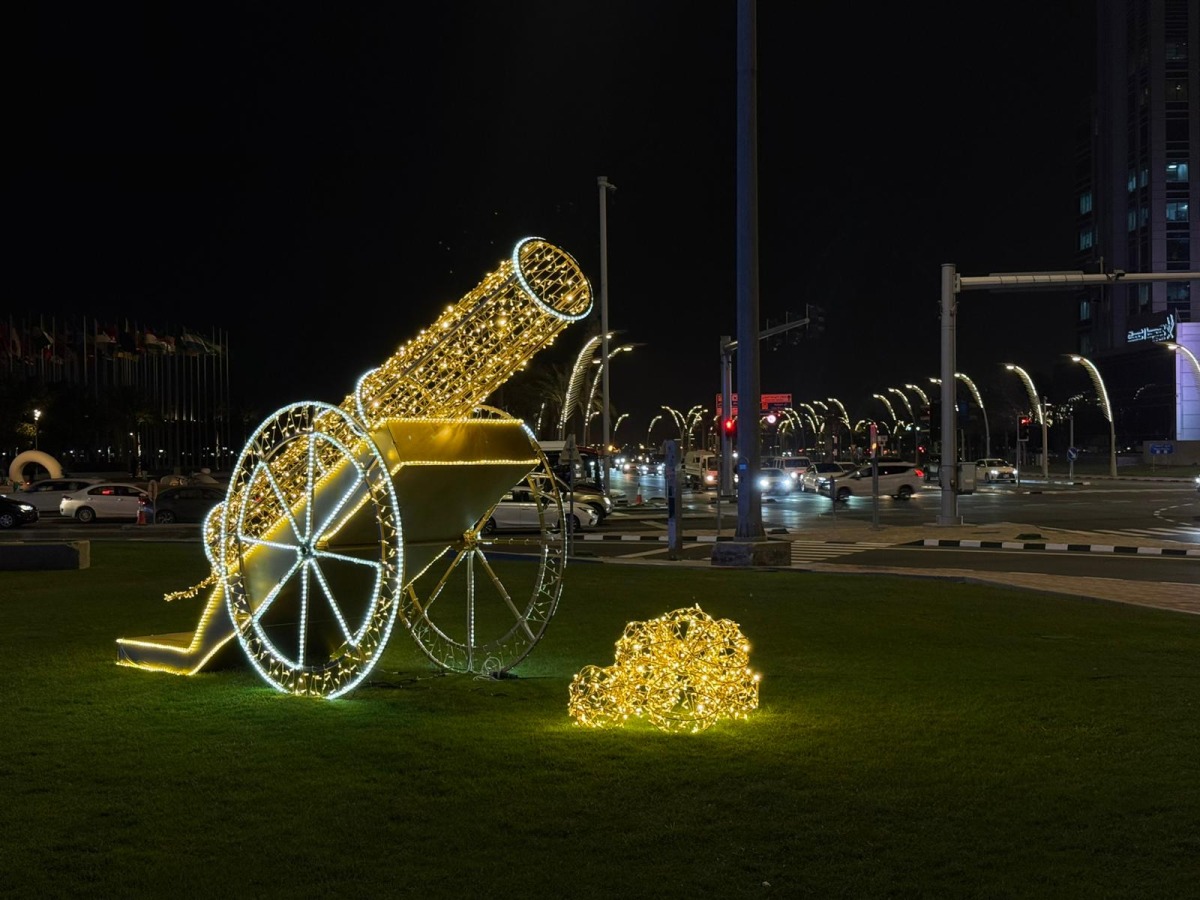
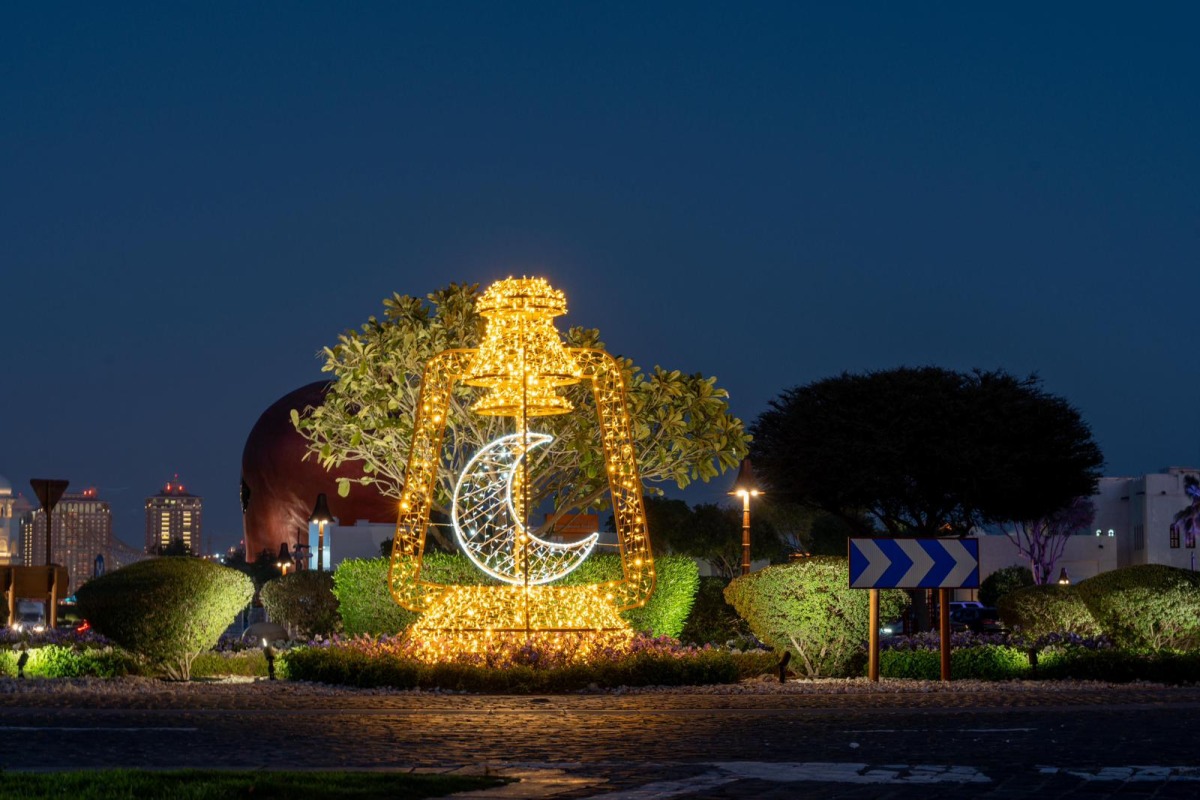
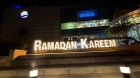
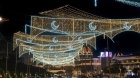
With the start of Ramadan, major roads and destinations including the Doha Corniche, Katara Cultural Village, and Old Doha Port have been adorned with crescents, stars, illuminated “Ramadan Kareem” greetings, and traditional motifs inspired by Islamic art.
Decorative lighting arches span streets, while public squares glow with themed installations that draw families and photography enthusiasts.
Ramadan decorations are rooted in a long cultural and historical tradition across the Muslim world.
Early Muslims used lamps and lanterns primarily to illuminate mosques for Friday prayers and religious gatherings.
Although this practice was not exclusive to Ramadan, it contributed to a culture in which light symbolized joy, welcome, and spirituality during sacred times. Gradually, decorative elements extended beyond mosques into homes, markets, and streets.
Historians commonly trace the organised use of the Ramadan lantern, or fanous, to the Fatimid era in Egypt.
One widely cited account dates back to 358 AH, when Cairo residents reportedly carried lanterns and torches at night to welcome the Fatimid Caliph Al-Mu’izz li-Din Allah upon his arrival in the city during Ramadan.
Over time, the lantern became associated with the month itself and evolved into one of its most recognisable symbols.
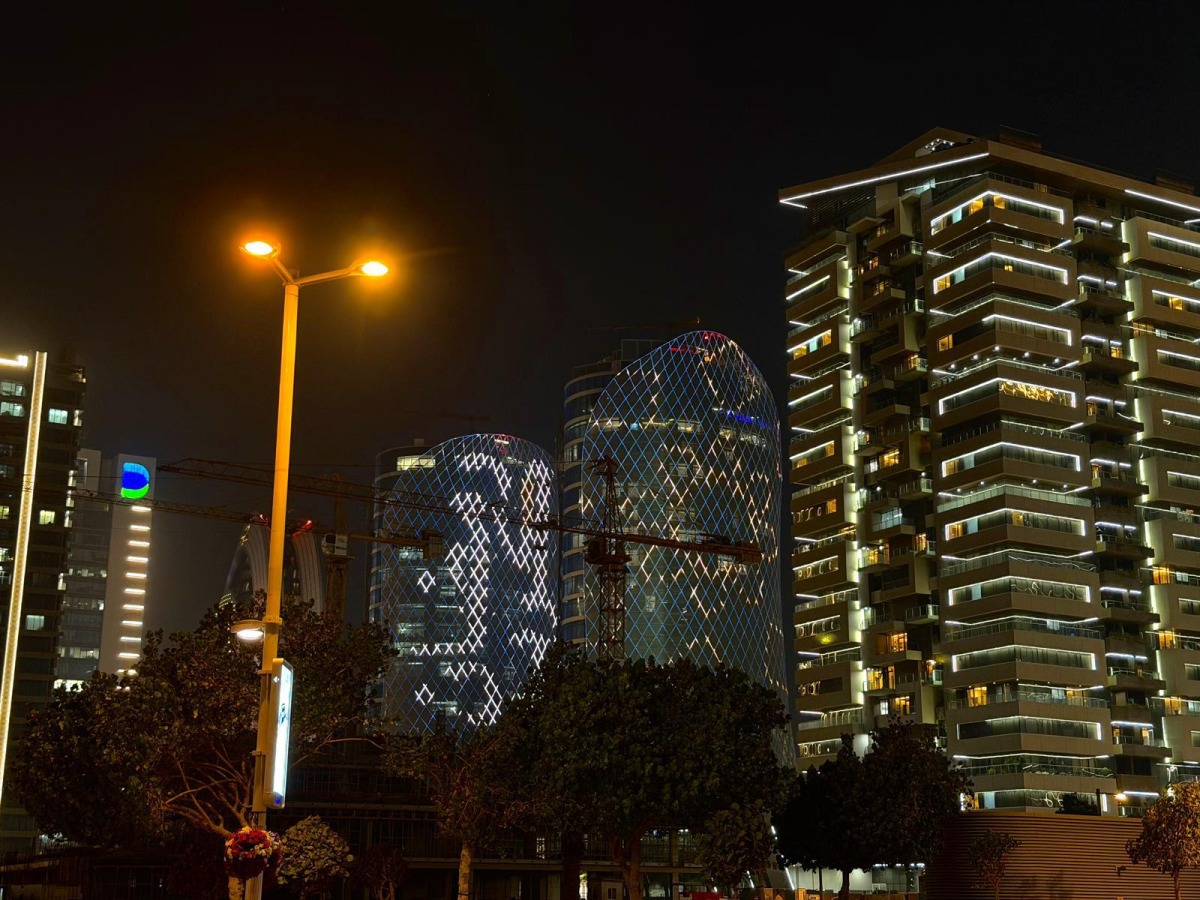
Across Arab societies, Ramadan decorations vary in design and materials, reflecting local customs.
Some feature colorful fabrics such as tent (khayamiya) textiles, while others use geometric shapes, banners, and multicolored lights.
Despite stylistic differences, the underlying purpose remains similar, welcoming the holy month and sharing a collective sense of celebration.

Beyond their visual appeal, Ramadan decorations carry social meaning.
They represent hospitality, communal spirit, and the joy associated with a month centered on reflection, charity, and togetherness.
As families gather under glowing lights and children admire lanterns and symbols, the decorations become part of the lived memory of Ramadan.