Event focusing on Global South convenes policymakers, NGOs, sport and civil society leaders, and development experts to address barriers to women and girls’ sporting participation
Published: 17 Sep 2026 - 12:24 am | Last Updated: 17 Sep 2026 - 12:28 am
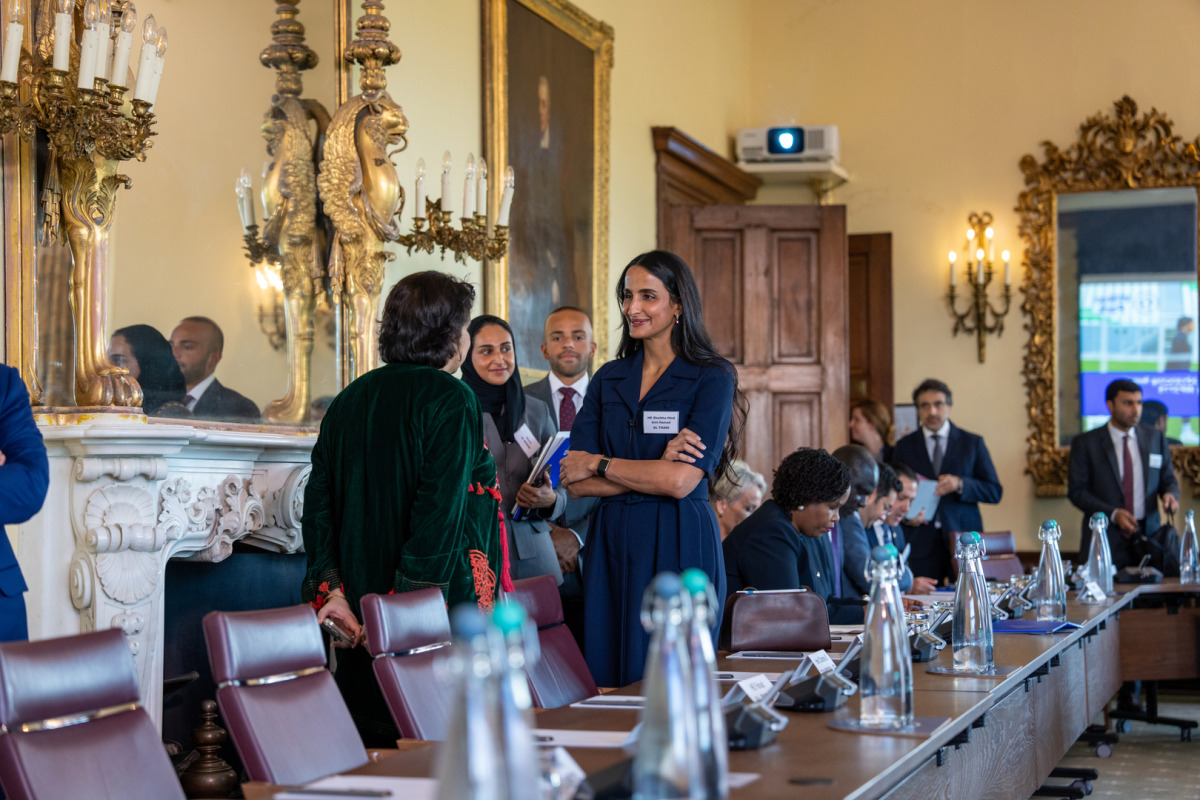
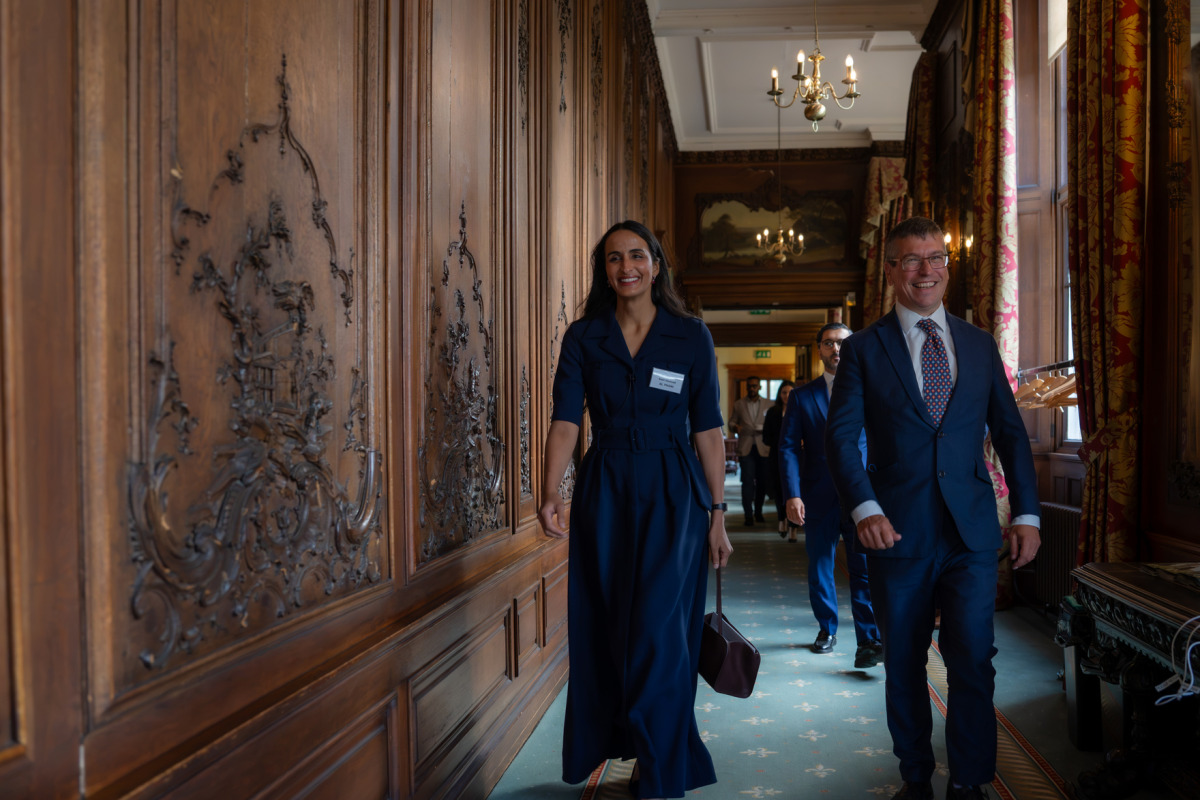
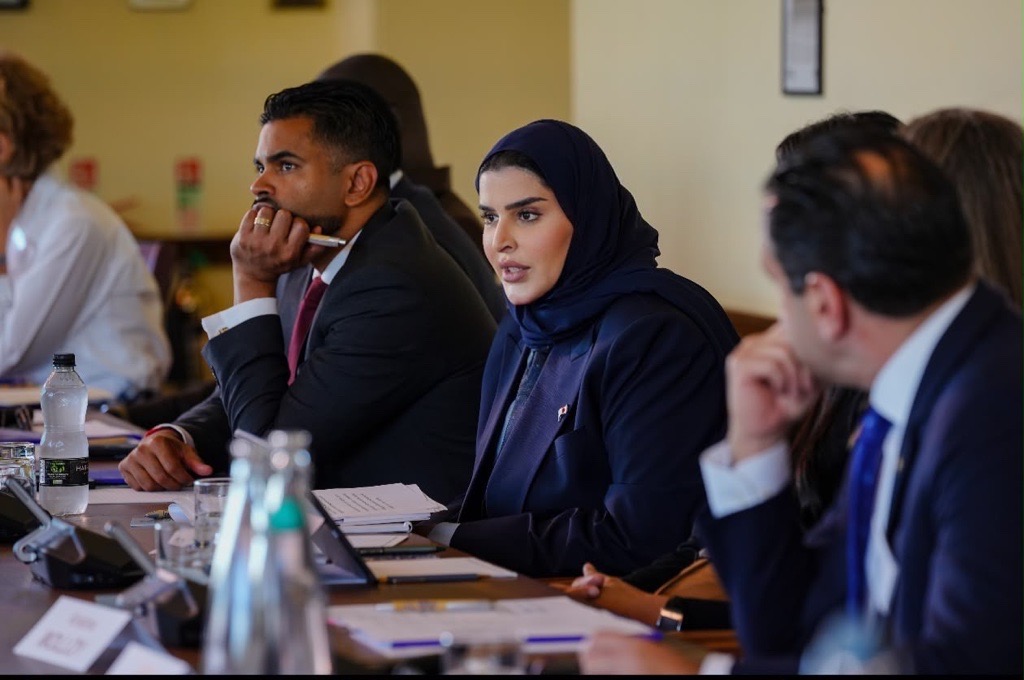
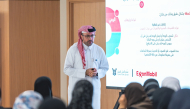
West Sussex: Her Excellency Sheikha Hind bint Hamad Al Thani, Vice Chairperson of Qatar Foundation, has called on international sporting, government, policy, development, and civil society leaders to join a global coalition focused on harnessing sport as a driver of social development at a high-level dialogue hosted by Qatar Foundation and Wilton Park.
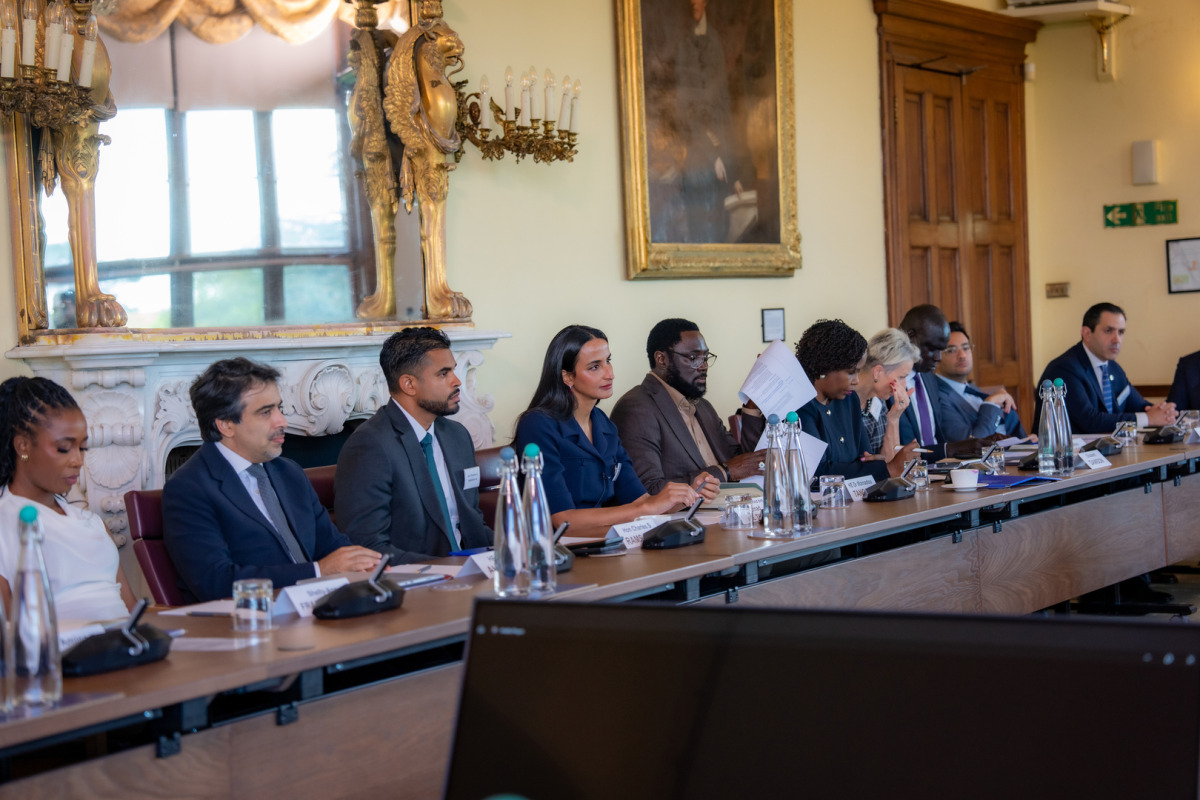
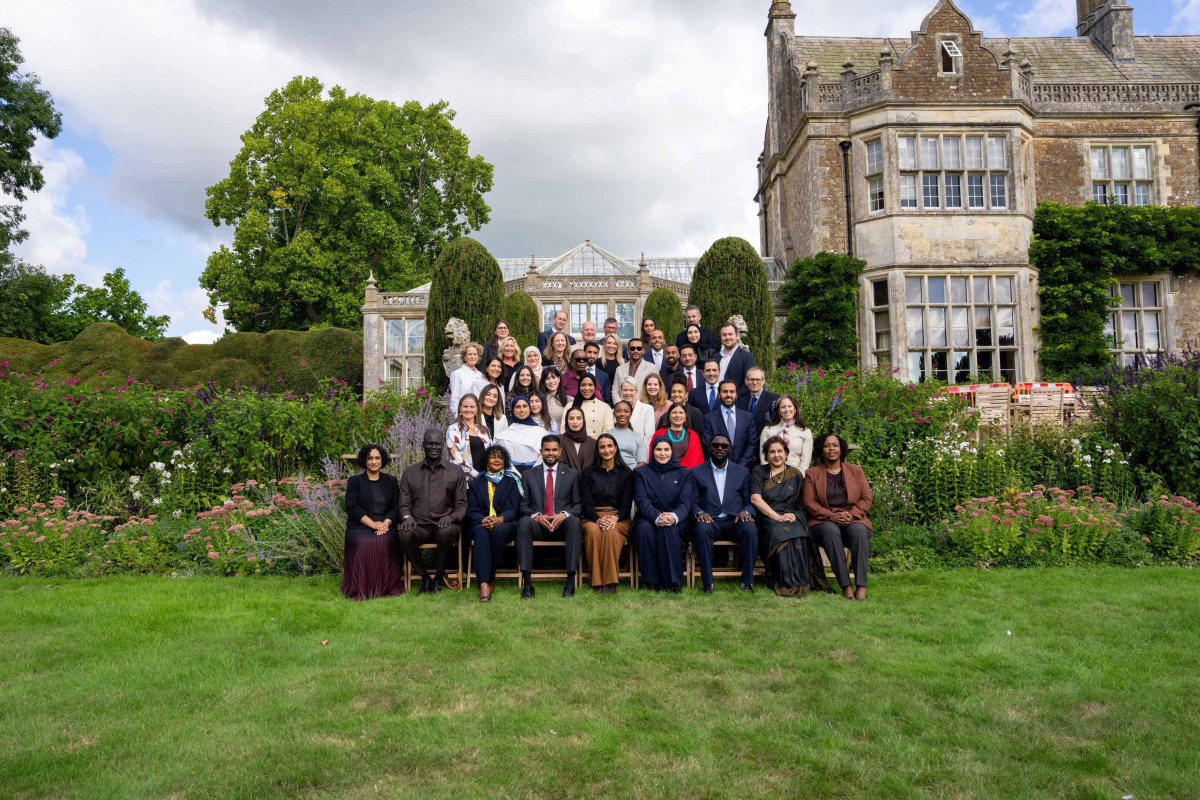
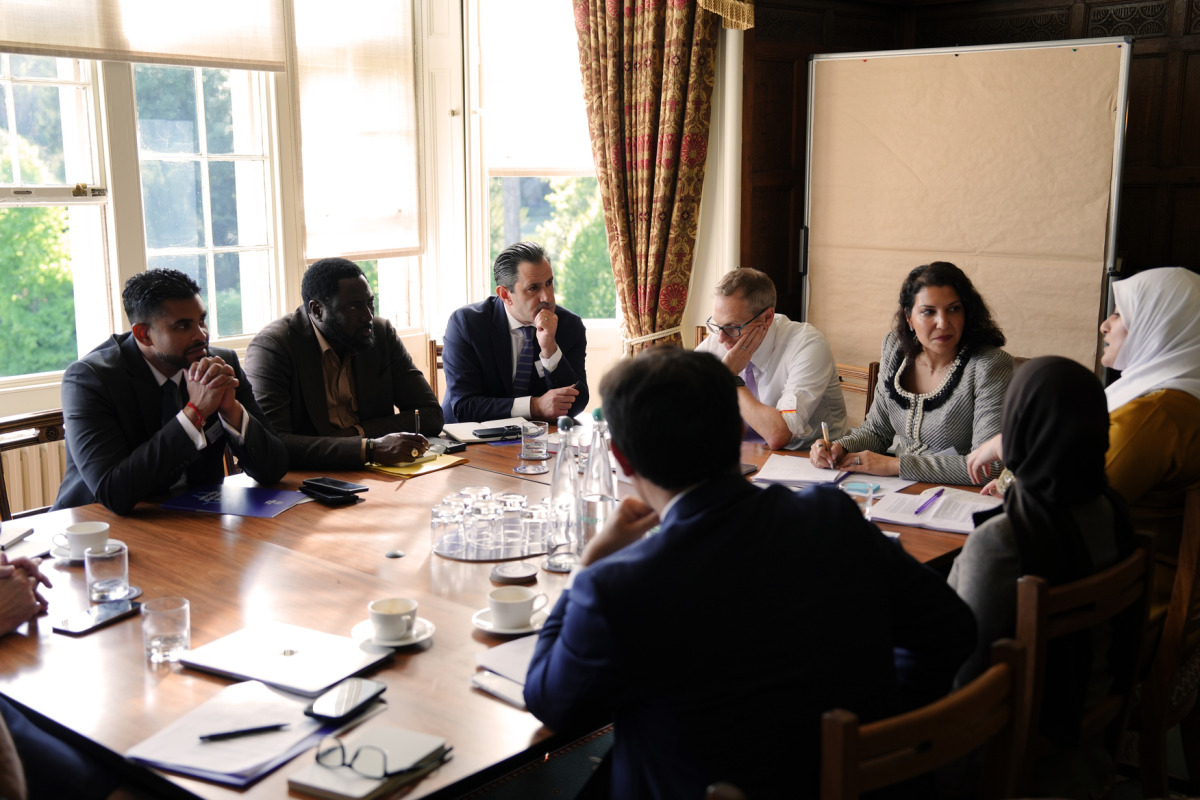
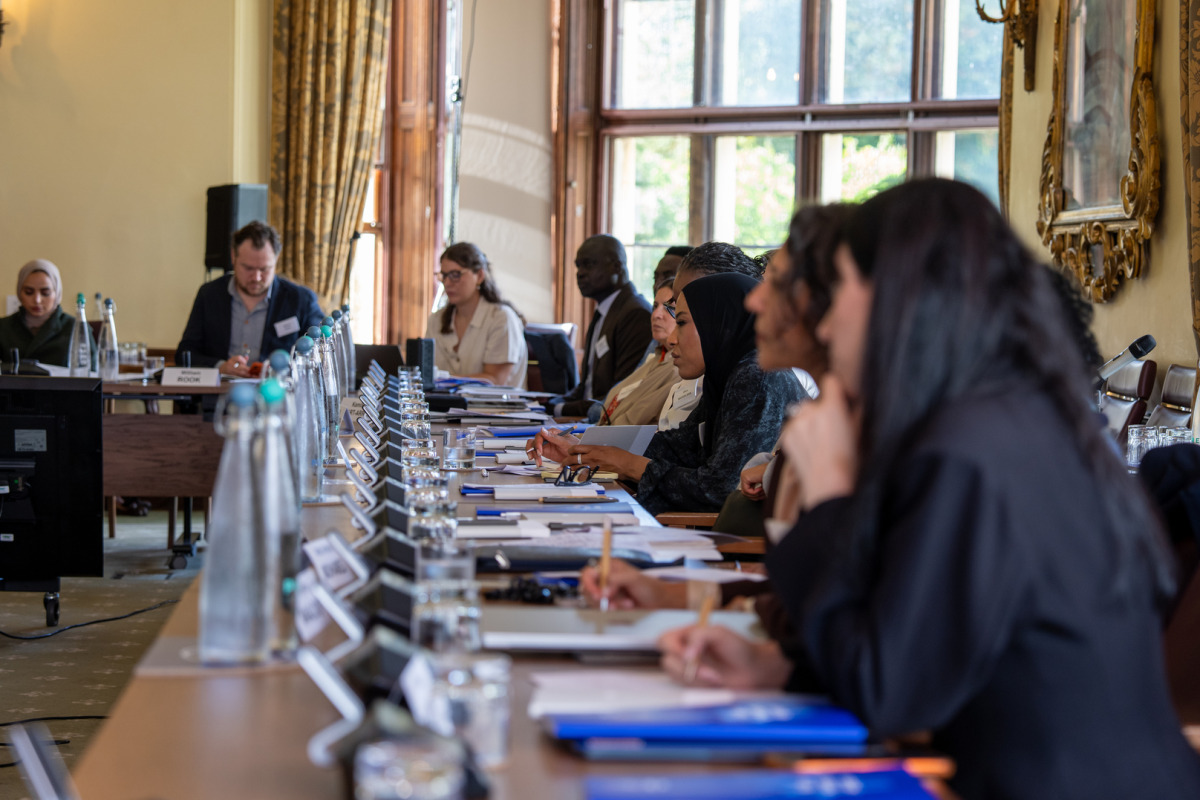
Held on the theme ‘Sport for Development in the Global South: Advancing Female Empowerment, Inclusion, and Accessibility’, the three-day event has examined why existing sporting systems continue to exclude women and girls, and what must change across policy, research, finance, infrastructure, coaching and athletic pathways.
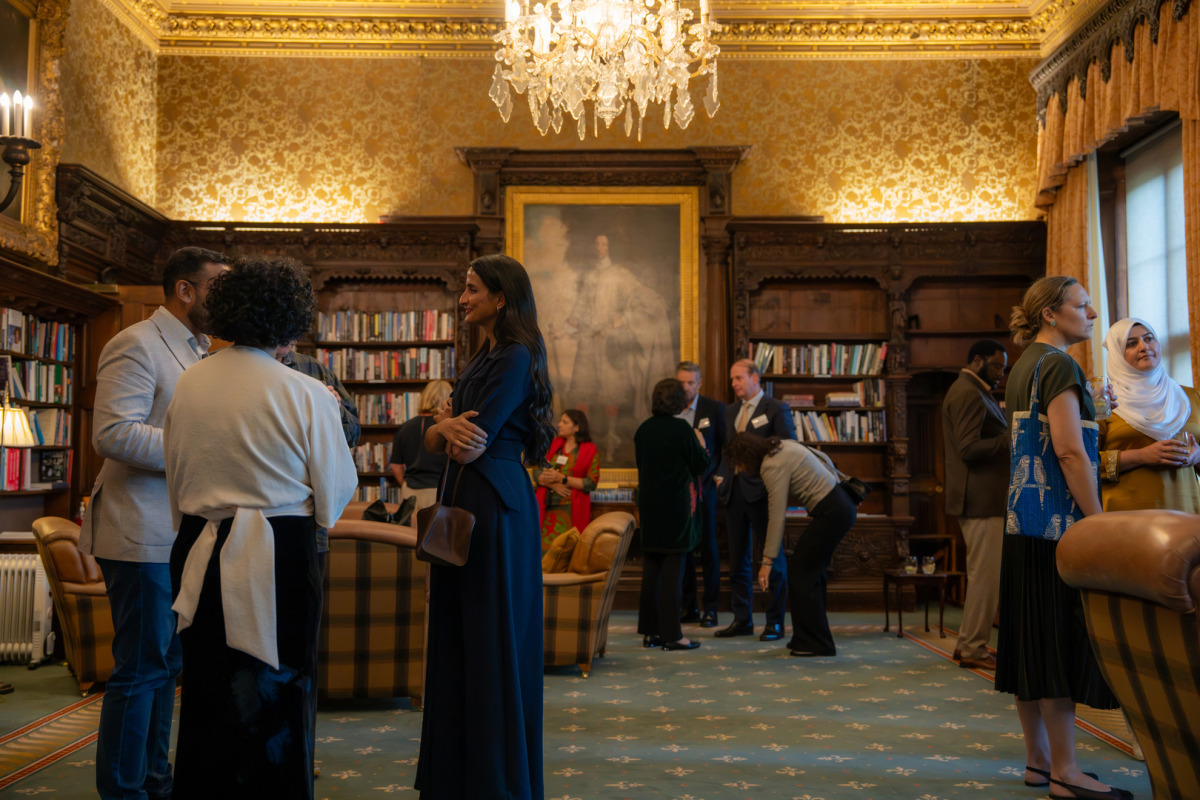
Bringing together policymakers, development practitioners, rights advocates, multilateral development banks, NGOs, and sport administrators, participants explored how the Global South can play a greater role in shaping international priorities and ensuring solutions reflect the realities of the communities they are intended to serve.
Wilton Park – an Executive Agency of the UK Foreign, Commonwealth and Development Office (FCDO) – and Qatar Foundation (QF) will now jointly develop a post-event policy brief outlining actions, partnerships, and approaches to breaking down barriers that prevent women and girls, people with disabilities, and displaced communities from accessing and benefiting from sport.
Speaking at the dialogue, Her Excellency Sheikha Hind, a leading global advocate for women’s and girls’ sport, invited those attending to join a global sport-for-development coalition that “carries commitments forward and turns them into action” – building on a landmark 2025 United Nations resolution enshrining sport as a human right and a means of empowering women and girls globally.
Initiated and submitted by Qatar on behalf of a core group of countries including Indonesia and Morocco, Resolution 59/17 has since been co-sponsored by 71 countries, and Her Excellency Sheikha Hind told the global audience at Wilton Park that its ambition “goes beyond parity”.
“Parity assumes identical needs, which is simply not the case,” she said. “The barriers girls face are fundamentally different. They deal with safety risks, stigma, and a research landscape that has largely ignored the needs of women and girls.”
Around the world, she said, a repeating pattern of high injury rates among female athletes, and high dropout rates from sport among adolescent girls, is being seen “largely because sporting pathways are rarely designed with women and girls in mind”.
“Our approach is to close that gap in practice, not just in principle: involving women in the design of facilities, providing coaching tailored to women’s needs, and building the scientific research base that, too often, doesn’t exist for women’s and girls’ sport,” said Her Excellency Sheikha Hind.
Describing sport as “one of the most underused tools we have for development”, Her Excellency Sheikha Hind said: “It builds confidence, mobility, leadership, and opportunity, especially for women and girls in impoverished communities. But access remains deeply uneven, and the barriers are structural, cultural, and often invisible until you look closely.”
She emphasized that the goal is to build: “A sustained agenda to advance shared goals through sports with a coalition of partners, assembled deliberately.”
And Her Excellency Sheikha Hind told delegates: “I invite each of you to join us in shaping this new sports coalition - one that carries these commitments forward and turns them into action. Qatar Foundation stands ready to help lead this effort.”
In his opening address at the QF and Wilton Park convening, His Excellency Dr. Khalilur Rahman, President-Elect of the 81st Session of the United Nations General Assembly, said: “Across the Global South, I have seen sport do something that few other interventions can: it changes how a girl is seen by her family and community, and how she sees herself. A girl who plays on a team learns to take up space, to lead, to fail and try again in public – and that confidence follows her into the classroom, the workplace, and civic life.
“Sport has also opened doors that were otherwise closed. It has given women and girls a safe and structured space outside the home, and role models: women coaches, referees, and athletes, who prove that leadership is not reserved for men. In many communities, a girl on a sports field is a quiet but powerful challenge to old assumptions about what girls and women can do.
“The 81st Session of the General Assembly will place the 2030 agenda, human rights, and inclusive multilateralism at the center of our work. I see gatherings like this one – practical, community-rooted, and genuinely inclusive – as exactly the kind of partnership the United Nations needs to deliver for all.”
Her Excellency Dr. Mariam bint Ali bin Nasser Al-Misnad, Minister of State for International Cooperation at the Ministry of Foreign Affairs, who participated in the dialogue, said: “In Qatar, we believe that empowering women and girls with disabilities in sport is not achieved merely by providing them with opportunity. It requires ensuring their participation on an equal footing, involving them from the early stages of designing programs and policies, listening to their needs and aspirations, and providing them with the opportunity to contribute to shaping decisions that affect their lives, recognizing them as partners in crafting solutions.
“Sport, when accessible to all, transcends the boundaries of competition to become a tool for empowerment, building confidence, and promoting independence. We believe that the success of any initiative is measured by its ability to create sustainable pathways for women and girls with disabilities to participate, develop and lead, and by the extent to which it grants them a genuine and impactful voice in discussion, dialogue, and the formulation of the programs and policies that shape their future.”
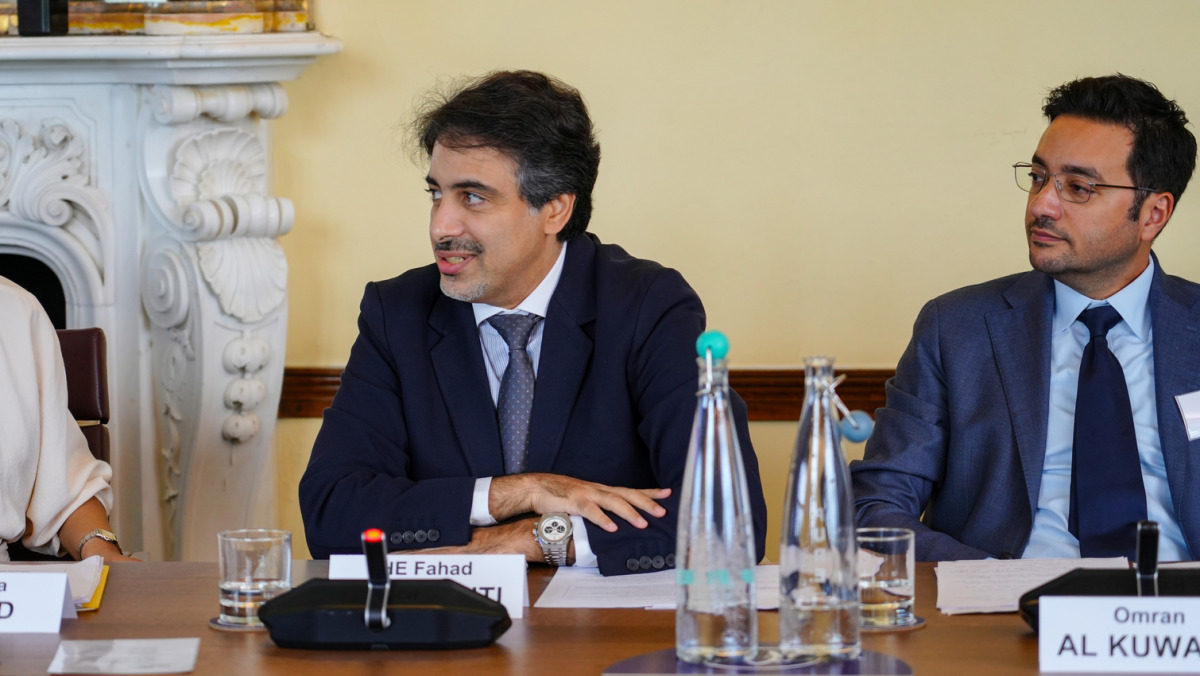
His Excellency Fahad Hamad Al-Sulaiti, Director General of Qatar Fund For Development, who also participated in the dialogue, said: “Sport is a powerful catalyst for sustainable development and peace, with the ability to empower people, strengthen communities and build resilience.
“Through innovative financing and collective action, we can move beyond short-term interventions to advance locally owned, sustainable solutions that create lasting opportunities for women, young people and marginalized communities. By bringing together governments, development partners, the private sector and civil society, we can unlock the transformative power of sport to build more inclusive, resilient and peaceful societies.”
During the dialogue, Her Excellency Sheikha Hind attended a session focusing on ‘Advancing Inclusion and Accessibility in Sport: From Disability Rights to Practical Action’, where speakers included Her Excellency Dr. Mariam bint Ali bin Nasser Al-Misnad, Minister of State for International Cooperation at the Ministry of Foreign Affairs; David Evangelista, President and Chief Executive Officer of the Special Olympics; and Kristina Molloy, Deputy Chief Executive Officer of the International Paralympic Committee. Those attending the dialogue included The Honorable Charles S. Ramson, Guyana’s Minister of Culture, Youth and Sports.
QF has a longstanding track record of advancing opportunities for women and girls through sport - in Qatar, regionally, and internationally. Over the past two years, within the Education City Stadium in partnership with QNB, more than 70,000 women and girls have participated in sporting opportunities, while over 40 girls are now in QF’s elite athletics training pathways, being prepared to compete and represent Qatar at global events such as the Olympic Games, and over 1,000 girls have so far participated in Creating Pathways, a QF program nurturing a pipeline of young female sporting talent in track and field, volleyball, fencing, basketball, and tennis.
Circle In – an initiative led by QF, Education Above All Foundation, and the International Olympic Committee – is supporting sport-for-good projects in 10 countries, with a focus on women and girls, people with disabilities, and people from marginalized backgrounds, and the initial aim of benefiting up to 50,000 children and young people while training up to 5,000 coaches, teachers, and instructors. Meanwhile, QF and the Basketball Africa League have formed a partnership – facilitated by Qatar Sports Investments, to open up opportunities for more people in Africa to play and benefit from basketball.
Building on the legacy of hosting the 2006 Asian Games and the FIFA World Cup 2022™, and as a global sporting hub which will host the Doha 2030 Asian Games, Qatar has continued to invest in pathways that enable athletes to thrive, expand opportunities for women and girls, and ensure sport benefits all of society, as it supports, enables, and advances inclusive, accessible sporting opportunities within the nation and beyond.