Doha, Qatar: The Ministry of Awqaf and Islamic Affairs has published the first book in its “In Clear Arabic” (Bi Lisanin Arabiyyin Mubin) series, highlighting the role of the Arabic language in rebuilding cultural awareness, preserving identity and strengthening the intellectual foundations of the Muslim Ummah.
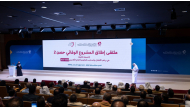
Titled Arabic: Horizons of the Present and Prospects for the Future - Towards Cultural Reconstruction and Reviving the Foundations of Identity, the book documents the proceedings of the first symposium in the series, held on November 4, 2025, at Imam Muhammad bin Abdul Wahhab Mosque.
Published by the Department of Islamic Research and Studies, the volume brings together research papers presented during the symposium by Qatar University academics Professor Dr. Louay Ali Khalil, Associate Professor Dr. Mahrous Birek and Associate Professor Dr. Mohammed Khaled Al Rahawi.
It also includes contributions by Sheikh Dr Ahmed bin Mohammed bin Ghanem Al Thani, Director of the Department of Islamic Research and Studies, and Mishari bin Ali Al Namlan, Assistant Director.
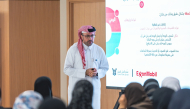
Sheikh Dr. Ahmed Al Thani described the “In Clear Arabic” symposium as an annual intellectual, cultural and academic platform dedicated to serving the Arabic language in its relationship with culture and Islamic identity, elevating its status and strengthening its role in society and in shaping identity.
He said the symposium seeks to highlight the central position of Arabic in knowledge generally and Islamic sciences in particular, while examining its contribution to development, progress and efforts to advance society.
“Arabic is a safeguard for this Ummah, a title of its identity and its civilisational and intellectual vessel,” Sheikh Ahmed said. He added that strengthening the language is essential to ensuring the continuity of the faith and enabling people to benefit from the two primary sources of Islamic legislation — the Holy Quran and the Sunnah of the Prophet Muhammad (peace and blessings be upon him).
He also stressed that greater attention to Arabic would help identify the challenges and threats facing it as a result of globalisation, cultural westernisation and the marginalisation of communities’ authentic beliefs and heritage.