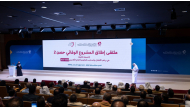
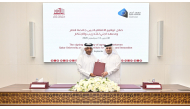
Doha, Qatar: The General Directorate of Endowments at the Ministry of Awqaf and Islamic Affairs, in cooperation with the Department of Mosques, has concluded the first series of “Waqf Ambassadors” seminars held virtually for Imams and preachers, as part of an ongoing awareness programme aimed at promoting the culture of endowments and highlighting their social and developmental impact.
The programme seeks to strengthen public understanding of the importance of waqf, its diverse fields and lasting benefits, while enhancing the role of Imams and preachers as ambassadors of waqf, given their trusted position and regular interaction with different segments of society.
The first series began with a seminar titled “Promoting the Culture of Waqf and Enhancing its Community Impact,” organised within the framework of cooperation between the General Directorate of Endowments and the Department of Mosques to broaden awareness of endowments and highlight avenues of sustainable charity.
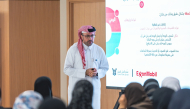
The sixth and concluding seminar, titled, “The Preacher as a Waqf Ambassador: From Influential Words to Creating Sustainable Impact,” focused on the important role of Imams and preachers in introducing the public to the concept of waqf, its fields and benefits, and directing potential donors towards official and reliable channels.
Head of the Marketing Section at the General Directorate of Endowments Ghanem Abdul Latif Al Rumaihi, said waqf is characterised by flexibility and its ability to respond to society’s needs across a wide range of fields.
He noted that endowment assets can take various forms, including cash, real estate, shares, financial balances and other movable and immovable assets. This diversity expands the options available to donors and enables them to select forms of waqf that suit their interests and financial capabilities. The General Directorate of Endowments has documented official examples involving movable and immovable assets, including properties, shares and financial balances, in addition to receiving cash endowments for various projects and dedicated waqf initiatives.
Al Rumaihi said introducing the public to the different forms and fields of waqf helps make the concept more accessible and demonstrates its direct impact on people’s lives, whether through treating a patient, educating a student, supporting a family, assisting Quranic centres or serving mosques.
He emphasised that Imams and preachers serve as ambassadors of waqf due to the trust and social standing they enjoy, adding that their role in promoting its message and charitable avenues would help extend waqf awareness to wider sections of society and open broader opportunities for sustainable giving.