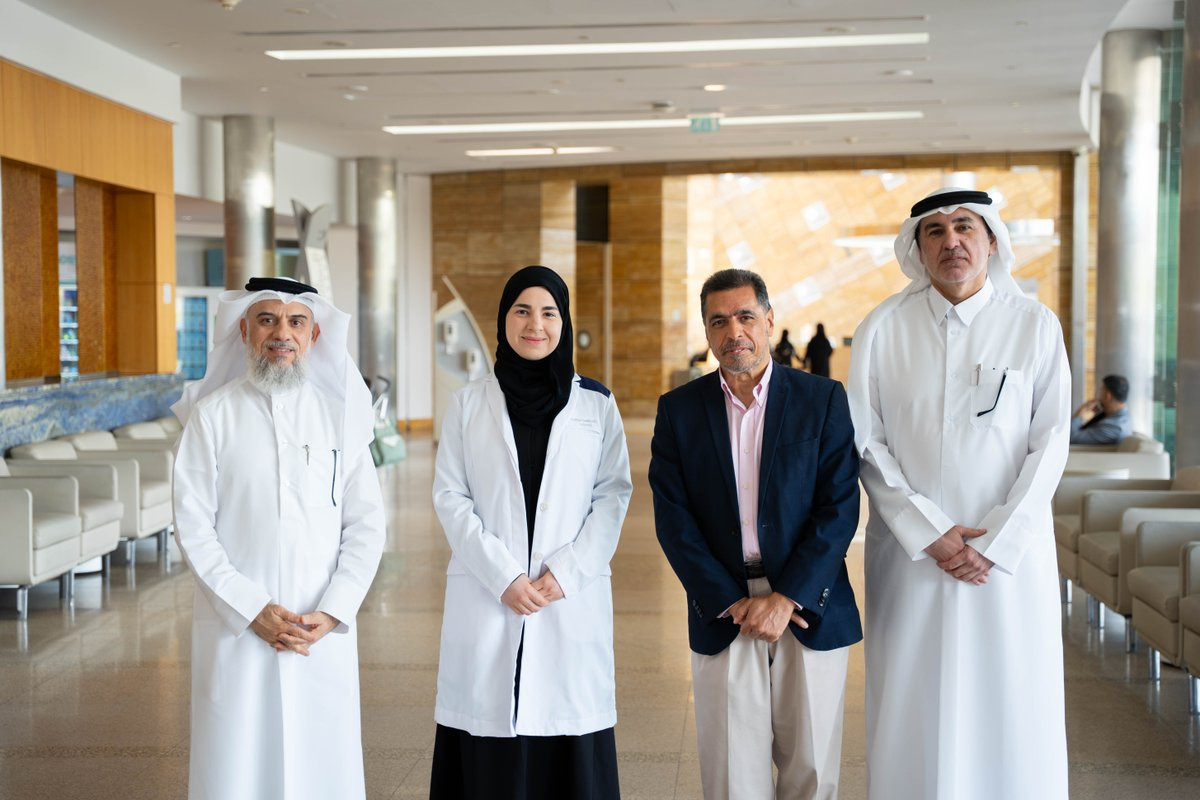
Doha: A case report by Sidra Medicine, a member of Qatar Foundation, has been published in Frontiers in Endocrinology detailing the successful treatment of severe acquired hypothalamic obesity (aHO) in a young child.
The findings provide important new evidence for the management of one of the most challenging forms of pediatric obesity as a result of a severe brain injury. It also adds important evidence supporting the role of precision medicine in managing rare pediatric endocrine disorders.
The case was led by Professor Khalid Hussain, Senior Consultant, Pediatric Endocrinology at Sidra Medicine, who said: "This was not typical obesity. The child developed hypothalamic obesity following severe brain injury caused by infection during the neonatal period.
By understanding the underlying biological mechanism driving his excessive hunger and rapid weight gain, we were able to identify a targeted treatment approach that significantly improved his health and quality of life."
The report documents what is believed to be the youngest reported patient treated with Setmelanotide for acquired hypothalamic obesity. It is also the first reported case of inflammation-related acquired hypothalamic obesity treated with therapy.
Professor Ibrahim Janahi, Chief Medical Officer at Sidra Medicine said: "The publication of this case in a peer-reviewed international journal reflects Sidra Medicine’s commitment to combining clinical excellence with research and innovation.
By translating scientific knowledge into personalized treatment strategies, we can offer new hope to children with rare and complex conditions while contributing valuable evidence to the global medical community."
Understanding that the child’s hypothalamic pathways responsible for hunger regulation had been disrupted, Professor Khalid Hussain proposed treatment with Setmelanotide, a melanocortin-4 receptor (MC4R) agonist that targets pathways involved in appetite regulation and energy balance.
Although Setmelanotide has demonstrated benefit in specific genetic forms of obesity, its use in a child this young with acquired hypothalamic obesity resulting from inflammatory brain injury had not previously been reported. Because the medication was not licensed for the child’s age or condition, approval required extensive clinical review and multidisciplinary oversight before treatment could begin.
Dr. Hajar Dauleh, Endocrinology Specialist at Sidra Medicine said: "Treatment started when the child was 22 months of age and introduced gradually with close monitoring. The child’s excessive hunger improved rapidly, followed by stabilization and reduction in weight.
We also observed improvements in liver function, cholesterol levels, sleep apnea, mobility, and overall engagement. These improvements became even more pronounced as treatment was carefully optimized over time."
Dr. Ahmed Al Hammadi, Chair of Pediatric Medicine at Sidra Medicine, said: "This case demonstrates the importance of early recognition and multidisciplinary management of complex pediatric conditions.
By bringing together expertise from across multiple specialties, we were able to deliver highly personalized care that addressed not only the child’s obesity but also the broader health challenges associated with his condition. The outcome highlights the impact that collaborative, patient-centered care can have on improving the lives of children with rare and complex disorders."
The findings have been published in Frontiers in Endocrinology in the case report titled "Effect of Setmelanotide Treatment in a Young Patient with Acquired Hypothalamic Obesity Following Escherichia coli Sepsis and Meningoencephalitis with Brain Abscess."