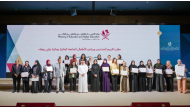
Doha, Qatar: Qatar University (QU), represented by the Student Counseling Center under the Student Affairs Sector, marked World Mental Health Day 2026 with an awareness event held under the theme ‘Lived Experiences Heard: Real Voices, Real Change,’ with the participation of several organisations working in the field of mental health in Qatar.
The event aimed to raise mental health awareness, promote a culture of psychological support within the university community, and highlight the importance of listening to personal experiences to foster a better understanding of mental health issues. It also sought to contribute to a supportive university environment that prioritises mental health and well-being.
The event featured an exhibition highlighting the mental health services and programmes offered by participating organisations, along with several awareness workshops. These included “The Good Vessel,” presented by Chairperson and Founder of The Center for Wellbeing, H E Sheikha Dr. Hessa bint Hamad Al Thani, and a workshop on self-expression through art, presented by Head of the Art Education Department at QU’s College of Education, Dr. Latifa Al-Meghaissib.
On this occasion, Director of the Student Counseling Center at QU, Dr. Mohammed Magzoob, emphasised that World Mental Health Day provides an important opportunity to raise awareness of the role of mental health in students’ lives and foster a culture of dialogue, active listening, and understanding, contributing to a supportive university environment that encourages learning and success.
He explained that this year’s event, organised by the Student Counseling Center, highlights the importance of listening to individuals’ experiences, understanding their needs, and providing a safe space for them to express the psychological and social challenges they may face, free from judgment and the stigma associated with mental health.
He added that the Center is committed to raising mental health awareness through educational programmes, interactive workshops, and community partnerships. These efforts help students manage stress and challenges while maintaining their psychological, social, and academic well-being.
Dr. Majzoob also emphasised that mental health is not solely an individual responsibility but a shared one that requires the combined efforts of the university, families, and the wider community.